MiCA Implementation Deadline: What Changed for Crypto in the EU
Discover what changed when MiCA fully implemented on Dec 30, 2024. Learn about CASP licensing, stablecoin delistings, and how EU crypto regulations affect your investments.

When navigating Cryptocurrency Regulation, the set of laws and guidelines that governments apply to digital assets. Also known as crypto compliance, it decides how you can trade, report earnings, and protect your funds. One major driver is the Financial Action Task Force, an inter‑governmental body setting anti‑money‑laundering standards, which shapes national rules across the globe.
Another cornerstone is Know‑Your‑Customer (KYC), the process that requires users to verify identity before accessing services. KYC is not just a paperwork step; it’s the front line against fraud, money‑laundering, and sanctions evasion. Countries like South Korea and Japan have tied KYC compliance to hefty fines, making it a make‑or‑break factor for exchanges.
Tax treatment forms the third pillar. Crypto Tax, the rules that define how digital‑asset gains are reported to tax authorities, varies wildly—from Brazil’s emerging reporting framework to Dubai’s zero‑tax haven. Understanding these tax nuances helps traders avoid surprise liabilities and stay audit‑ready.
Licensing is the final piece of the puzzle. Exchange Licensing, the official permission a digital‑asset platform must obtain to operate legally, determines who can offer services and under what conditions. Brazil’s new central‑bank licensing, the UAE’s FATF grey‑list exit, and Korea’s $34 billion fine threat all illustrate how licensing can make or break market access.
These entities interact in clear ways: Cryptocurrency Regulation encompasses KYC, crypto tax, and exchange licensing; it requires compliance with FATF standards; and it influences cross‑border payment rules like Russia’s recent Bitcoin settlement law. When one component shifts—say, a tougher FATF guideline—every other piece feels the ripple, prompting exchanges to upgrade KYC, adjust tax reporting, or seek new licenses.
If you’re buying Bitcoin, staking tokens, or building a DeFi product, you’ll hit at least one of these rules. Japan’s strict oversight shows how a clear legal framework can boost user confidence while raising compliance costs. The list of countries with harsh bans highlights where you might face access blocks or legal danger. The UAE’s FATF exit demonstrates how international reputation can lower banking fees and attract capital. Meanwhile, massive fines against platforms like Upbit prove that regulators will punish lax KYC hard. In the coming sections you’ll discover practical guides on how each jurisdiction handles these rules, what penalties look like, and how to stay ahead of upcoming changes. Whether you’re a casual trader, a crypto‑focused business, or an investor scouting global opportunities, the articles below break down complex regulations into actionable steps. Below you’ll find in‑depth coverage of Japan’s compliance model, the toughest global bans, the UAE’s FATF greylist exit, massive KYC fines, tax‑information exchange reforms, Brazil’s licensing roadmap, Iran’s mining sanctions‑evasion, and more. Dive in to see how these regulations shape the market today and what you can do to stay compliant.
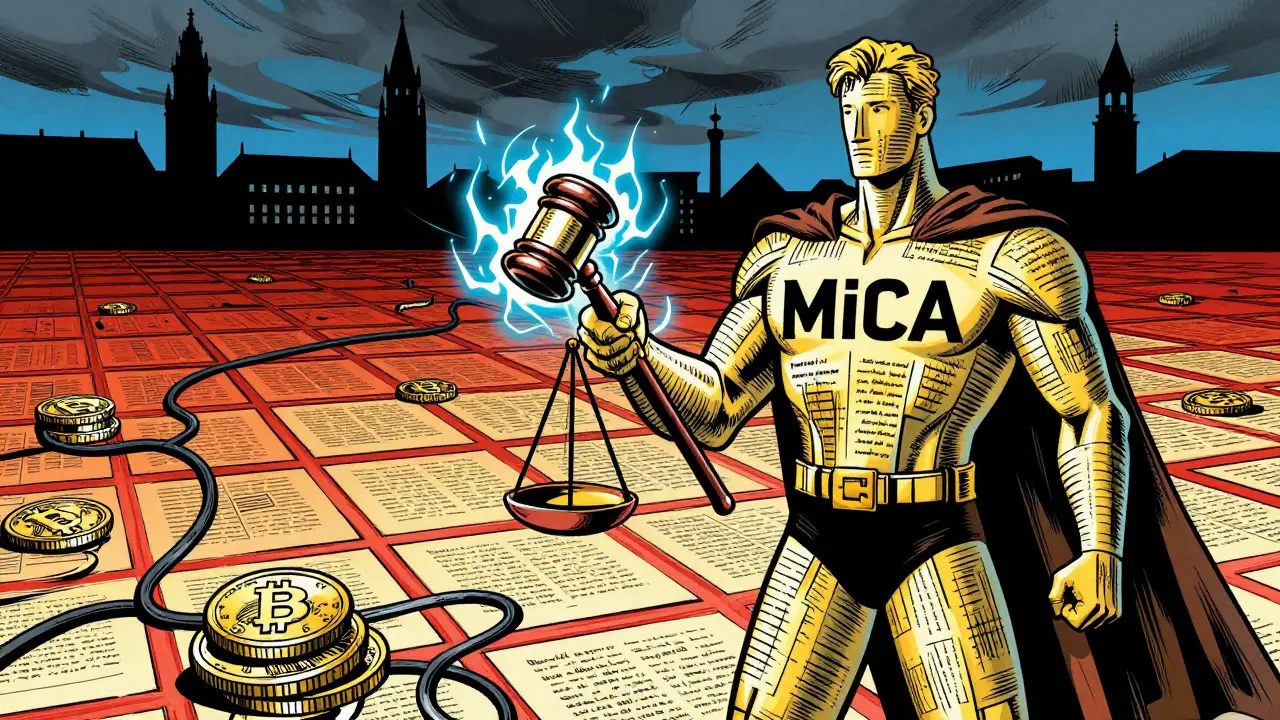
Discover what changed when MiCA fully implemented on Dec 30, 2024. Learn about CASP licensing, stablecoin delistings, and how EU crypto regulations affect your investments.

Moving Bitcoin from China is now illegal due to the 2025 total ban. Learn about the legal risks, the role of the digital yuan, and why compliance is critical for residents.

Kosovo banned crypto mining in Jan 2022 due to an energy crisis. Learn about the enforcement tactics, the impact on the economy, and the current legal status in 2026.

Explore the critical implications of the OFSI threat assessment for UK crypto firms. Learn how to navigate sanctions compliance, avoid under-reporting pitfalls, and implement effective blockchain analytics.

Understand India's strict crypto tax rules: 30% capital gains, 1% TDS, and new 18% GST on fees. Learn how to comply with VDA regulations and avoid penalties.

Explore how international authorities monitor cross-border crypto transactions in 2026. Learn about the Travel Rule, FinCEN updates, MiCA, and the impact on privacy and compliance.

Explore how North Korea uses cryptocurrency mixing services to launder stolen funds and evade sanctions. We break down the tech, the risks, and the 2026 regulatory restrictions.
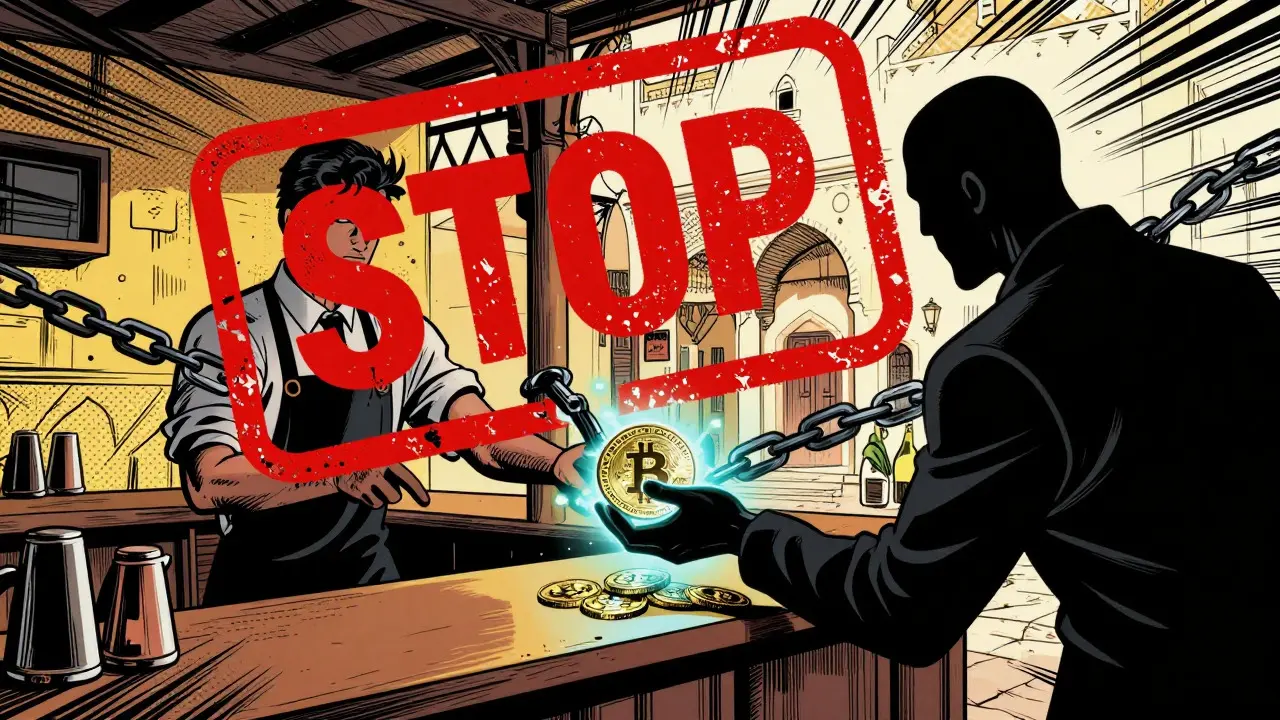
Explore the strict Central Bank of Tunisia crypto policy, including the 2018 ban, regulatory sandboxes, and penalties for violations. Understand what is legal and illegal in Tunisia's digital asset landscape.

Despite a strict ban since 2017, Moroccans increasingly use underground crypto networks for international payments. We explore the risks, the rise of P2P trading, and the government's push for a regulated CBDC.

Explore how the EU's MiCA regulation impacts stablecoins like USDT. Learn about EMT vs ART classifications, delisting rules for CASPs, and the rise of compliant European alternatives in 2026.

Navigate Thailand's strict 2025-2026 crypto exchange rules. Learn about the SEC's licensing requirements, the ban on foreign platforms like Bybit, and operational restrictions for traders.

Explore how cryptocurrency and stablecoins are reshaping cross-border remittances in 2026. We break down the real costs, speed benefits, and the critical regulatory restrictions you must navigate to send money safely.