Blockchain Applications: Real‑World Uses and How They Transform Industries

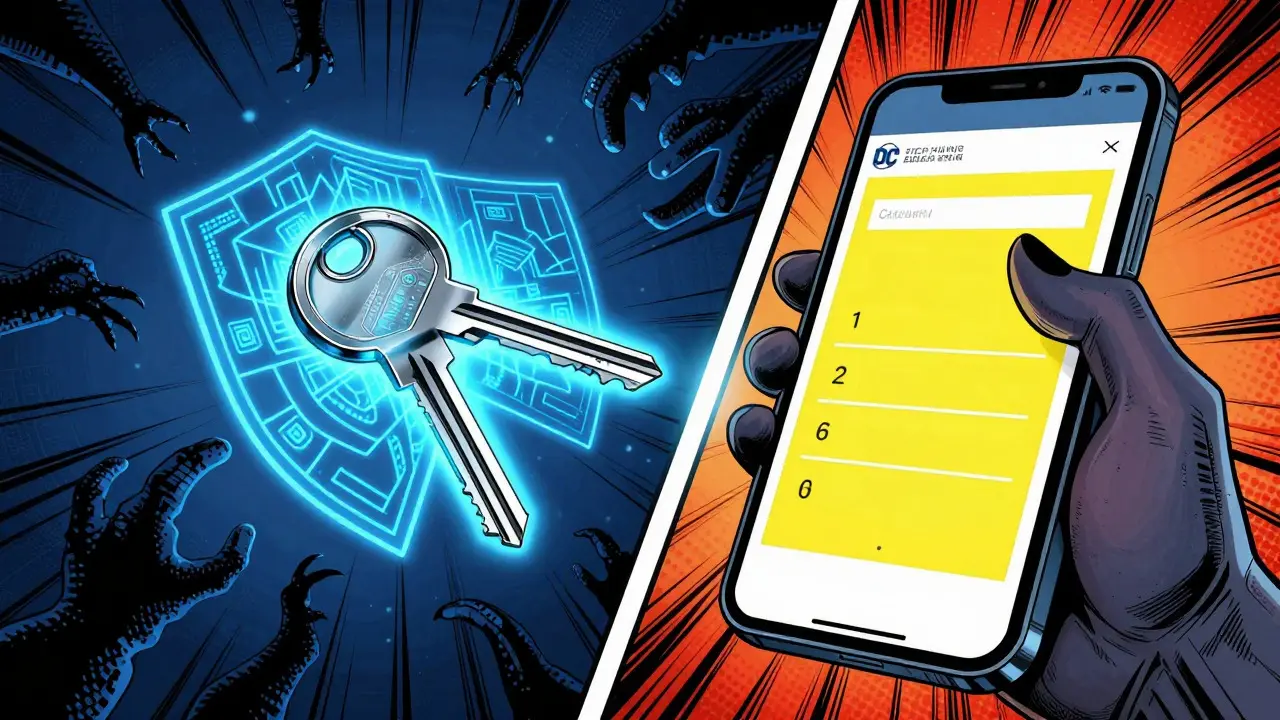
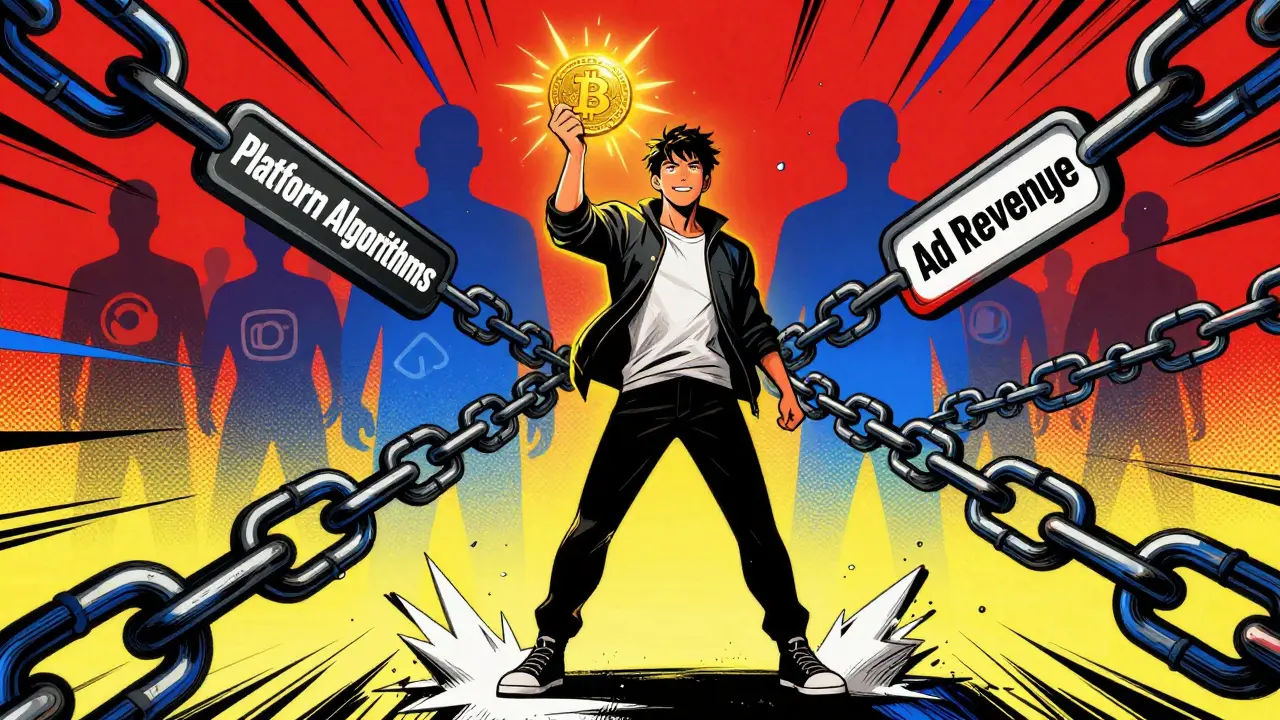
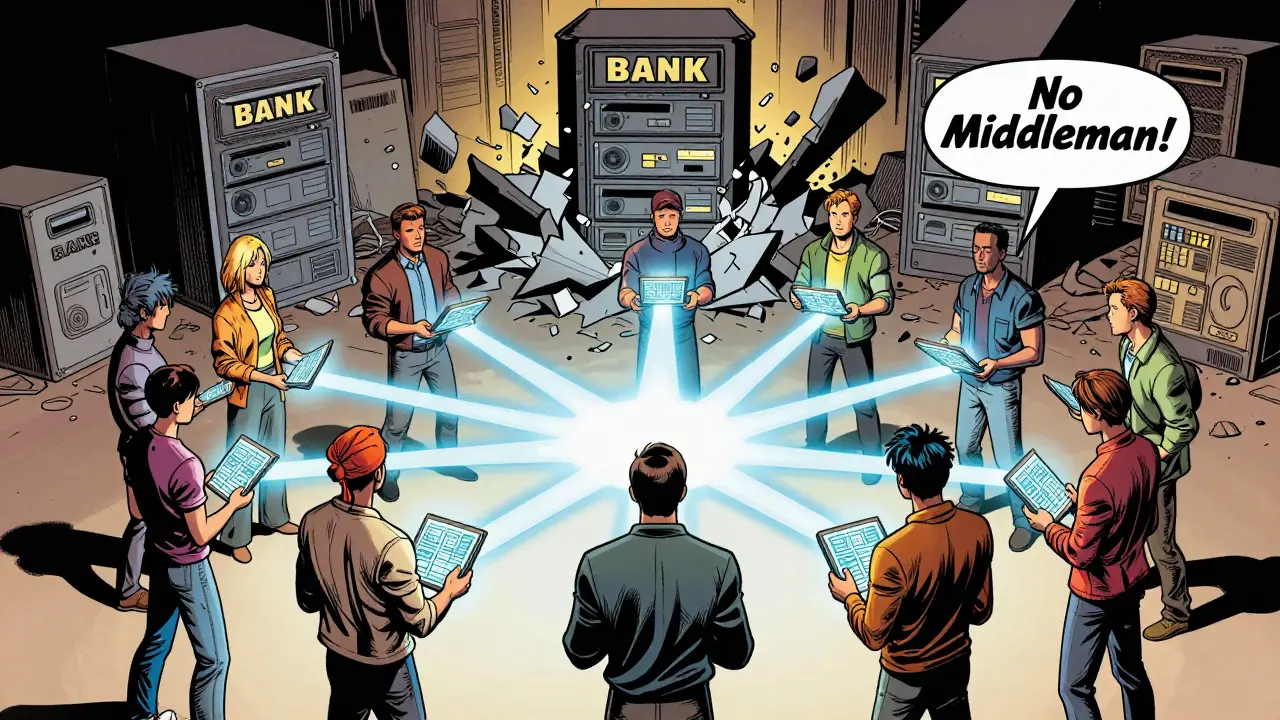
When exploring Blockchain Applications, the practical ways blockchain technology is deployed across sectors. Also known as blockchain use cases, it helps build transparent, tamper‑proof systems that cut middlemen and lower costs. Have you ever wondered why voting, finance, and digital art are all talking about the same tech? The answer lies in three core ideas: decentralization, immutability, and programmable trust.

One of the most visible blockchain voting, digital election platforms that record each ballot on a distributed ledger offers voters a receipt they can verify without exposing their identity. Decentralized finance, financial services built on smart contracts instead of banks lets anyone earn yield, borrow, or trade assets 24/7. And non‑fungible tokens, unique digital assets that prove ownership of artwork, collectibles, or certificates have turned scarcity into code. Each of these examples shows how Blockchain Applications enable new business models while preserving security.

Why These Areas Matter

Blockchain voting reduces the risk of ballot tampering and provides an auditable trail that election officials can trust. Decentralized finance removes entry barriers, allowing people in underserved regions to access loans or earn interest without a credit history. NFTs create verifiable provenance for creators, opening fresh revenue streams and preventing plagiarism. All three rely on smart contracts—self‑executing code that enforces rules without a central authority. This relationship—Blockchain Applications encompasses smart contracts—means developers can reuse the same logic across voting, finance, and collectibles, speeding up innovation.

But the promise comes with challenges. Voting systems need robust identity verification to stop fake votes, yet must protect privacy. DeFi platforms can suffer from coding bugs that lead to huge losses, so rigorous audits are essential. NFT marketplaces face copyright disputes and environmental concerns over energy use. Understanding these trade‑offs helps you decide where to invest time or money.

Looking ahead, new blockchain applications such as supply‑chain tracking, decentralized identity, and Web3 social networks are emerging. Each builds on the same three pillars—decentralization, immutability, and programmability—while tackling industry‑specific pain points. As standards evolve and more regulators weigh in, the ecosystem will likely become safer and more interoperable.

Below you’ll find a curated collection of articles that dive deeper into each of these use cases. From step‑by‑step guides on setting up a blockchain voting pilot to breakdowns of DeFi yield strategies and NFT minting best practices, the posts are designed to give you actionable insights you can apply right now.


How Digital Signatures Secure Blockchain Transactions: A Deep Dive
David Wallace 12 April 2026 4

How Digital Signatures Secure Blockchain Transactions: A Deep Dive

Discover how digital signatures and asymmetric cryptography secure blockchain transactions, preventing fraud and ensuring data integrity through ECDSA.

Finding and Using dApps: A Practical Guide to Decentralized Apps
David Wallace 6 April 2026 11

Finding and Using dApps: A Practical Guide to Decentralized Apps

Learn how to find and use decentralized applications (dApps). A practical guide on Web3 wallets, gas fees, and discovering safe blockchain apps.

How Genesis Blocks Are Created: The Blueprint of a Blockchain
David Wallace 4 April 2026 16

How Genesis Blocks Are Created: The Blueprint of a Blockchain

Learn exactly how genesis blocks are created, from cryptographic hashing in PoW to validator allocation in PoS. A deep dive into the foundation of blockchain networks.

Future of Authentication in Crypto: Quantum Resistance & Zero Knowledge
David Wallace 31 March 2026 14

Future of Authentication in Crypto: Quantum Resistance & Zero Knowledge

Discover how cryptocurrency security is evolving beyond passwords. Explore post-quantum standards, decentralized identities, and FIDO2 passkeys reshaping digital asset protection for 2026.

How Bitcoin Mining Works: A Clear Breakdown of the Process, Hardware, and Rewards
David Wallace 15 March 2026 16

How Bitcoin Mining Works: A Clear Breakdown of the Process, Hardware, and Rewards

Bitcoin mining is how new Bitcoin is created and transactions are verified. It uses powerful hardware to solve complex math puzzles, earns rewards in Bitcoin and fees, and keeps the network secure through Proof of Work. Learn how it really works.

What Is the Genesis Block in Blockchain? The Foundational Anchor of Every Chain
David Wallace 12 March 2026 14

What Is the Genesis Block in Blockchain? The Foundational Anchor of Every Chain

The genesis block is the unchangeable starting point of every blockchain. Created in 2009 for Bitcoin, it holds the first transaction and sets the rules for the entire network. No blockchain can exist without it.

Social Recovery with Account Abstraction: How Smart Wallets Are Fixing Crypto’s Biggest Security Flaw
David Wallace 21 February 2026 24

Social Recovery with Account Abstraction: How Smart Wallets Are Fixing Crypto’s Biggest Security Flaw

Social recovery with account abstraction replaces lost seed phrases with trusted contacts, making crypto wallets safer and easier to use. Wallets like Argent and Safe now use this tech to let users recover funds by getting approval from friends or family.

On-Chain vs Off-Chain NFT Metadata Storage: Key Differences and Best Practices for 2026
David Wallace 4 February 2026 17

On-Chain vs Off-Chain NFT Metadata Storage: Key Differences and Best Practices for 2026

On-chain and off-chain NFT metadata storage impact your digital assets' survival. Learn the real costs, risks, and best practices for 2026. Find out why hybrid solutions dominate now and how new regulations are changing the game.

Micropayments for Content on Blockchain: How Creators Are Getting Paid Per View
David Wallace 7 January 2026 26

Micropayments for Content on Blockchain: How Creators Are Getting Paid Per View

Blockchain micropayments let readers pay creators fractions of a cent per article, video, or song - cutting out middlemen and enabling direct support. But wallet complexity and crypto volatility still hold it back.

Utility Token Distribution Models Explained: How Web3 Projects Allocate Tokens Fairly
David Wallace 5 January 2026 0

Utility Token Distribution Models Explained: How Web3 Projects Allocate Tokens Fairly

Utility token distribution models determine how blockchain projects allocate tokens to investors, teams, and communities. Learn the key models-SAFT, airdrops, LBPs, and vesting-that drive fair, sustainable Web3 ecosystems.

How to Detect Sybil Nodes in Blockchain Networks
David Wallace 16 December 2025 14

How to Detect Sybil Nodes in Blockchain Networks

Sybil attacks let one person control hundreds of fake identities on a blockchain. Learn how proof-of-stake, reputation systems, and zero-knowledge proofs stop these attacks - and why they're now a legal requirement.

Supply Chain Blockchain Use Cases: Real-World Examples and How They Work
David Wallace 5 December 2025 0

Supply Chain Blockchain Use Cases: Real-World Examples and How They Work

Real-world examples of how blockchain is transforming supply chains - from food safety and diamonds to pharmaceuticals and shipping. See how companies cut costs, prevent fraud, and build trust with transparent, tamper-proof records.

  • 1
  • 2