Compliance & Regulation Resources for Crypto Investors

When navigating the world of digital assets, Compliance & Regulation, the set of rules and processes that ensure crypto activities meet legal and financial standards. Also known as Crypto compliance, it defines what you must do to stay on the right side of the law.

One of the most common pitfalls is overlooking FBAR, the Foreign Bank Account Report required for U.S. taxpayers with foreign financial accounts. The FBAR isn’t just a form; it’s a legal trigger that can lead to fines up to $100,000 per violation if you miss it on a crypto exchange abroad. The rule works like this: any U.S. person with a total value exceeding $10,000 across foreign accounts must file an annual report. Failure to do so signals willful non‑compliance, and the Treasury Department can impose steep penalties. Understanding how FBAR intersects with crypto holdings gives you a clear path to avoid those costly mistakes.

Another pillar of the compliance landscape is KYC, Know‑Your‑Customer procedures that verify the identity of users before they can transact. Strong KYC programs cut fraud, lower regulatory risk, and build trust with both customers and regulators. When a platform implements robust KYC, it can streamline anti‑money‑laundering (AML) checks, reduce onboarding friction, and even unlock better banking relationships. For investors, knowing that an exchange follows solid KYC practices means you’re less likely to get caught up in a scandal or a sudden freeze of assets.

These two entities—FBAR and KYC—don’t exist in a vacuum. Compliance & Regulation requires a blend of reporting obligations, identity verification, and ongoing monitoring. It also ties into broader AML frameworks, tax reporting rules, and evolving international guidelines like the FATF Recommendations. By mastering the connections—FBAR reporting influences tax compliance, KYC feeds into AML screening, and both shape the overall regulatory posture—you create a safety net that protects your portfolio and your reputation.

Below, you’ll find in‑depth articles that walk you through real‑world scenarios, step‑by‑step checklists, and expert advice on staying compliant. Whether you’re a seasoned trader or just starting out, the guides will help you turn legal duties into strategic advantages and keep your crypto activities hassle‑free.


Cyprus Banking Restrictions on Crypto Transactions: What You Need to Know in 2026
David Wallace 18 February 2026 11

Cyprus Banking Restrictions on Crypto Transactions: What You Need to Know in 2026

Cyprus has tightened banking rules on crypto transactions in 2025-2026 under EU MiCA regulations. Banks now block unverified transfers, enforce the Travel Rule, and require full KYC. Learn how this affects businesses and individuals.

SEC Philippines Crypto Enforcement Actions: What You Need to Know in 2026
David Wallace 16 February 2026 13

SEC Philippines Crypto Enforcement Actions: What You Need to Know in 2026

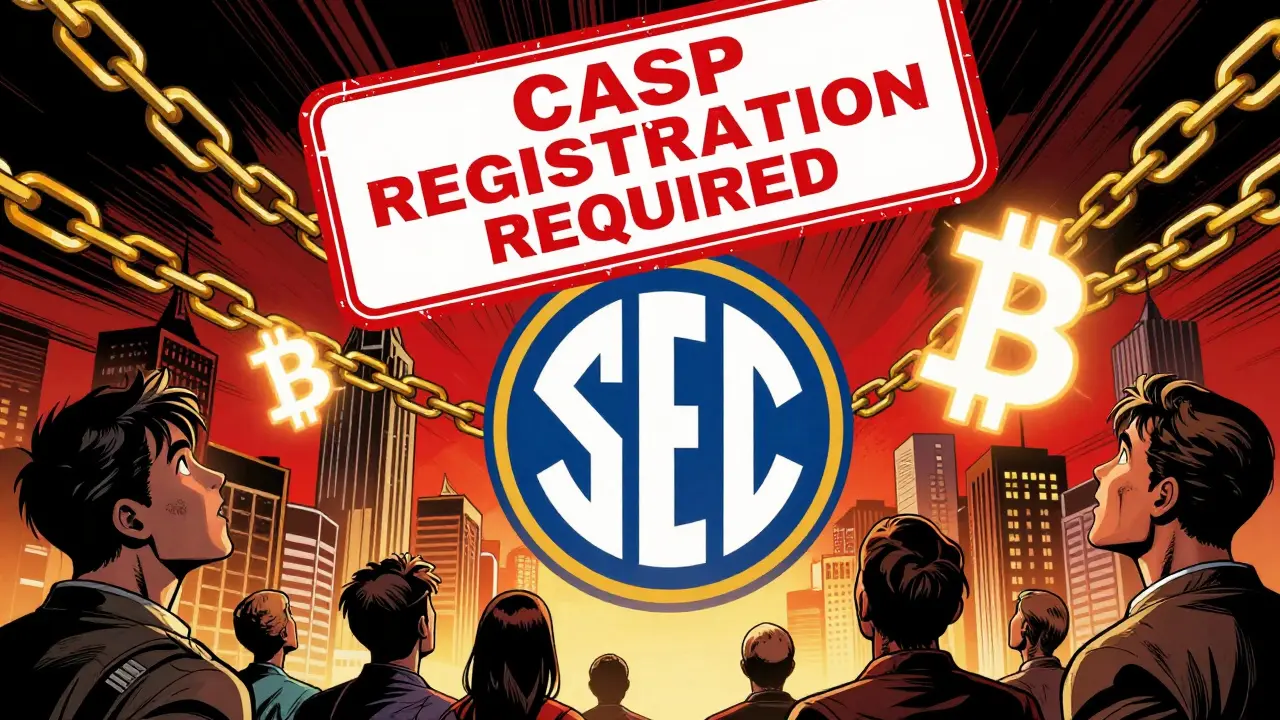
The SEC Philippines has launched strict enforcement actions against unregistered crypto platforms, requiring all services to register as CASPs. Learn how this affects users, exchanges, and the future of crypto in the country.

Record Keeping for Crypto Taxes: What You Must Track in 2026
David Wallace 8 February 2026 23

Record Keeping for Crypto Taxes: What You Must Track in 2026

Crypto tax compliance in 2026 demands detailed records for every transaction - buys, sells, staking, airdrops, and wallet transfers. Learn what to track, which forms to file, and how to avoid IRS penalties.

Crypto Taxation in UK: How Capital Gains and Income Tax Apply to Crypto in 2026
David Wallace 2 February 2026 22

Crypto Taxation in UK: How Capital Gains and Income Tax Apply to Crypto in 2026

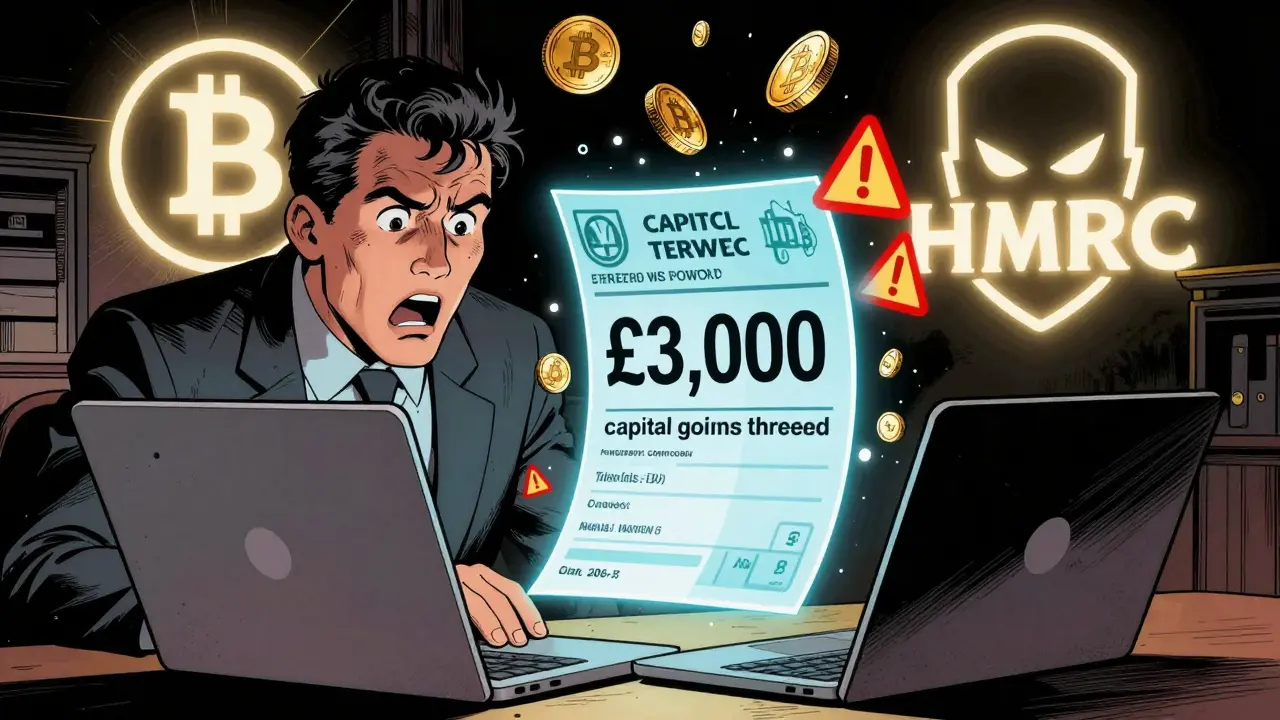
UK crypto tax rules changed in 2025: capital gains allowance dropped to £3,000, rates rose to 18%-24%, and income tax applies to staking and airdrops. Know what you owe and how to report it correctly.

Transition Periods for EU Crypto Businesses Under MiCA: Deadlines, Rules, and What You Must Do
David Wallace 23 January 2026 16

Transition Periods for EU Crypto Businesses Under MiCA: Deadlines, Rules, and What You Must Do

MiCA transition periods for EU crypto businesses vary by country, with deadlines ranging from January to July 2026. Know your real deadline, avoid cross-border violations, and understand the risks of operating without a license.

VASP Licensing in Nigeria: Requirements and Process for Crypto Businesses
David Wallace 22 January 2026 23

VASP Licensing in Nigeria: Requirements and Process for Crypto Businesses

Nigeria now requires all crypto businesses to obtain a VASP license from the SEC. Learn the capital, documentation, and compliance steps to legally operate in the country's regulated digital asset market.

EU Travel Rule Compliance for Crypto: What Zero Threshold Means for Your Transactions
David Wallace 19 January 2026 15

EU Travel Rule Compliance for Crypto: What Zero Threshold Means for Your Transactions

The EU's zero-threshold Travel Rule now requires full identity data for every crypto transaction between regulated platforms, regardless of amount. Here's what it means for users and exchanges in 2026.

Central Bank of Kuwait Crypto Prohibition: Complete Ban on Digital Assets in 2026
David Wallace 11 January 2026 13

Central Bank of Kuwait Crypto Prohibition: Complete Ban on Digital Assets in 2026

Kuwait has banned all cryptocurrency activities, including mining, trading, and payments, with strict enforcement and criminal penalties. The Central Bank of Kuwait leads a multi-agency crackdown to protect its financial system and power grid.

Crypto Taxation in Australia: How CGT Rules Affect Your Gains
David Wallace 3 January 2026 17

Crypto Taxation in Australia: How CGT Rules Affect Your Gains

Australia taxes crypto as property, not currency. Learn how the 50% CGT discount works, what triggers a tax event, and how to avoid costly mistakes with your crypto investments.

Cross-Chain Crypto Transaction Monitoring: How to Track Funds Across Blockchains
David Wallace 18 December 2025 0

Cross-Chain Crypto Transaction Monitoring: How to Track Funds Across Blockchains

Cross-chain crypto transaction monitoring tracks funds moving between blockchains like Bitcoin and Ethereum to prevent money laundering. Learn how regulators, exchanges, and AI tools detect suspicious activity across bridges, wrapped tokens, and atomic swaps.

How Alipay and WeChat Pay Enforce China's Crypto Ban in 2025
David Wallace 14 December 2025 21

How Alipay and WeChat Pay Enforce China's Crypto Ban in 2025

Alipay and WeChat Pay enforce China’s crypto ban through real-time transaction blocking, AI monitoring, and coordination with state banks. Despite loopholes in encrypted messaging, the system makes crypto access nearly impossible for ordinary users.

3 Years Imprisonment for Large Crypto Transactions in Nepal: What You Need to Know
David Wallace 26 November 2025 27

3 Years Imprisonment for Large Crypto Transactions in Nepal: What You Need to Know

Nepal imposes up to three years in prison for cryptocurrency transactions over 10 million NPR. This article breaks down the law, how it's enforced, who gets targeted, and what real people are facing - no sugarcoating.

  • 1
  • 2