Bitcoin: The Original Crypto and What It Means Today
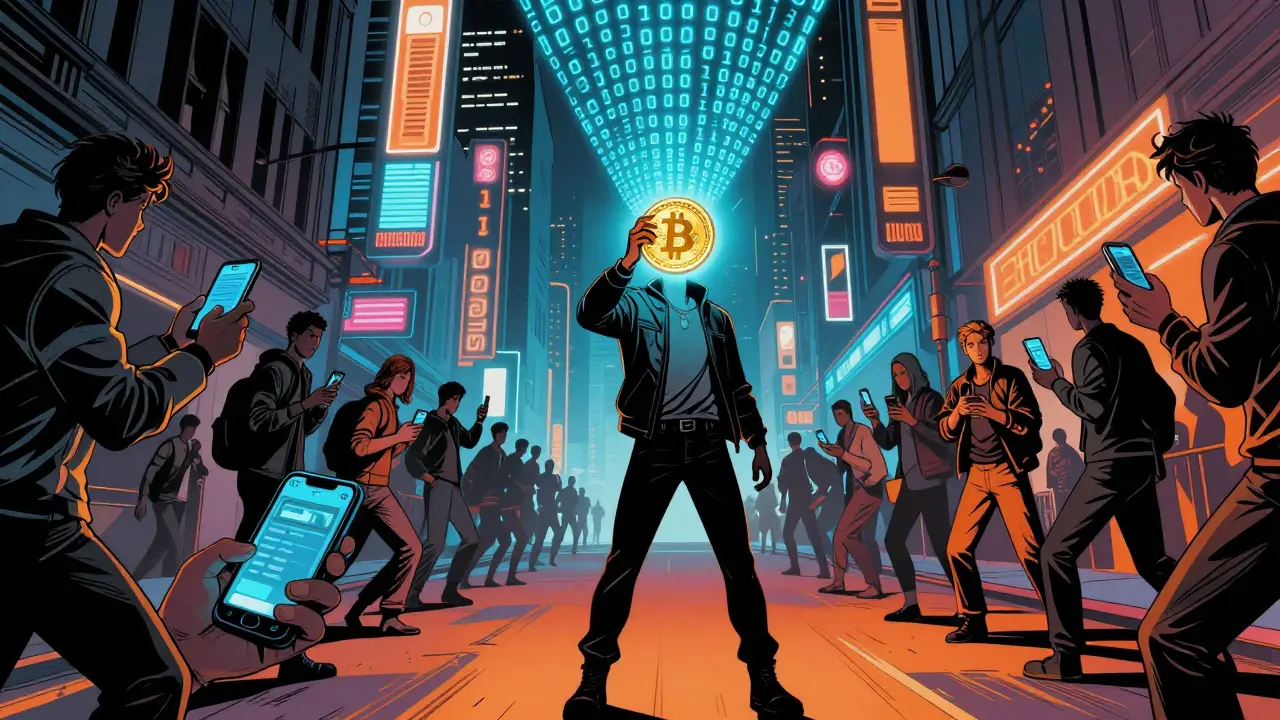
When you hear Bitcoin, the first and most widely recognized cryptocurrency, built on a decentralized blockchain network that allows peer-to-peer transactions without banks. Also known as BTC, it’s the reason most people even know what crypto is. Bitcoin isn’t just a coin—it’s the foundation of everything else that came after it. Every altcoin, every DeFi app, every NFT project, even the whole idea of digital ownership, traces back to Bitcoin’s original whitepaper. It proved you could move value without a middleman. And that changed finance forever.
Today, Bitcoin mining, the process of validating Bitcoin transactions and securing the network using specialized hardware and massive amounts of electricity. Also known as crypto mining, it’s no longer something you do on your laptop. It’s a global industry. Companies run warehouses full of ASICs in places like Texas and Kazakhstan, chasing the lowest electricity rates after the 2024 halving. And it’s not just miners. Bitcoin ETFs, investment funds that track Bitcoin’s price and trade like stocks on major exchanges, letting traditional investors get exposure without holding crypto directly. Also known as Bitcoin spot ETFs, they’ve brought over $58 billion in institutional money into Bitcoin since early 2024. Banks, pension funds, and even corporations like MicroStrategy now hold Bitcoin on their balance sheets. That’s not speculation—it’s treasury strategy.
But Bitcoin’s role goes beyond price charts and institutional buying. It’s also about security. If you own any crypto, you’re probably using ideas born from Bitcoin: private keys, seed phrases, cold storage. The posts here cover how to protect your seed phrase from physical theft, why metal backups beat paper, and how Shamir’s Secret Sharing lets you split your keys across multiple locations. You’ll also see how Bitcoin mining profitability depends on hash rate and electricity costs—not just fancy gear. And you’ll find real stories about how countries like Iran and Nepal treat Bitcoin: not as a threat to ban, but as a resource to control.
Bitcoin isn’t perfect. It’s slow. It’s expensive to send. It doesn’t run smart contracts. But none of that matters if you’re asking the right question. The real question isn’t whether Bitcoin will replace banks. It’s whether you understand how it changed the rules—and how to protect what you’ve built on top of it. Below, you’ll find guides that cut through the noise. No hype. No fluff. Just what works, what doesn’t, and what you need to know before you do anything else with crypto.