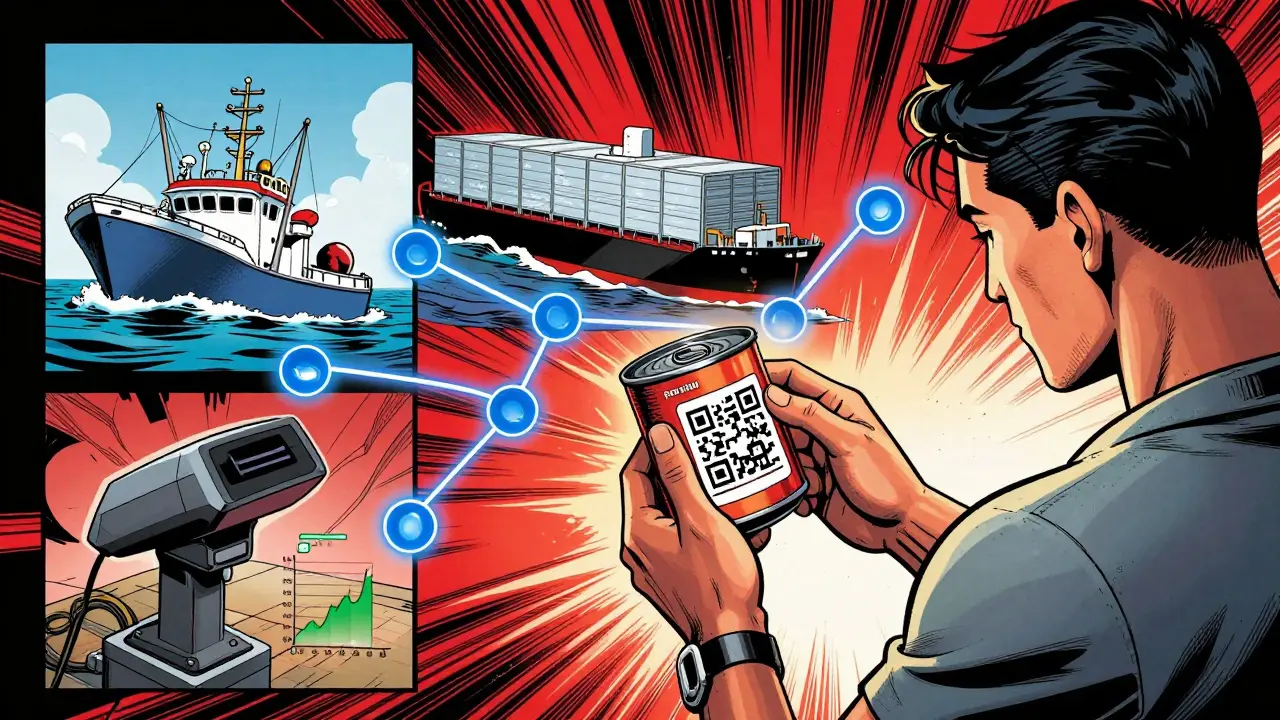
Smart Contracts in Supply Chain: How Blockchain Is Changing Logistics
When you think of smart contracts, self-executing agreements coded on a blockchain that run without human intervention. Also known as blockchain contracts, they automatically trigger actions when conditions are met—like releasing payment when a shipment arrives. In supply chains, this isn’t science fiction. It’s happening right now in warehouses, shipping ports, and trucking companies that are tired of paper bills, delays, and fraud.
Blockchain supply chain, a transparent, tamper-proof ledger that tracks goods from origin to delivery gives everyone the same view of where a product is, who handled it, and when. No more guessing if a shipment was delayed because of weather—or because someone falsified a receipt. Companies like Maersk and Walmart already use this to track food safety and pharmaceuticals. And it’s not just big players. Smaller logistics firms are joining too, using open platforms like Ethereum smart contracts, the most widely used platform for building automated agreements on blockchain because it’s open, flexible, and has a huge developer base.
Smart contracts in supply chain don’t just save time—they save money. A contract can automatically pay a trucker the moment GPS confirms delivery. No invoicing. No disputes. No waiting 60 days for payment. It also stops counterfeit goods. If a product’s digital passport (stored on-chain) doesn’t match the real item, the system flags it instantly. That’s why pharmaceuticals, luxury goods, and organic food are leading the adoption.
But it’s not perfect. Some systems still rely on humans to scan barcodes or update records. If the input is wrong, the contract still executes—because it doesn’t know better. That’s why the best setups combine smart contracts with IoT sensors, RFID tags, and real-time data feeds. The goal isn’t to replace people—it’s to remove the middlemen who add cost and delay.
You’ll find posts here that break down real projects using these tools. Some are big-name platforms. Others are tiny tokens with no real use. We’ve filtered out the noise. What’s left? Clear examples of how smart contracts are actually being used—not just pitched. Whether you’re in logistics, investing in crypto, or just curious how tech is changing trade, you’ll find practical insights here. No hype. Just what’s working, what’s not, and why it matters.