Iran Crypto Laws: What You Need to Know About Cryptocurrency Rules in Iran
When it comes to Iran crypto laws, the official stance on cryptocurrency is contradictory: banned for banking use but tolerated in practice for personal trading and mining. Also known as Iranian cryptocurrency regulations, these rules create a gray zone where citizens use Bitcoin and Ethereum daily, but banks can’t touch them. Unlike countries that outright ban crypto, Iran lets people mine and hold digital assets—just not through official financial channels.
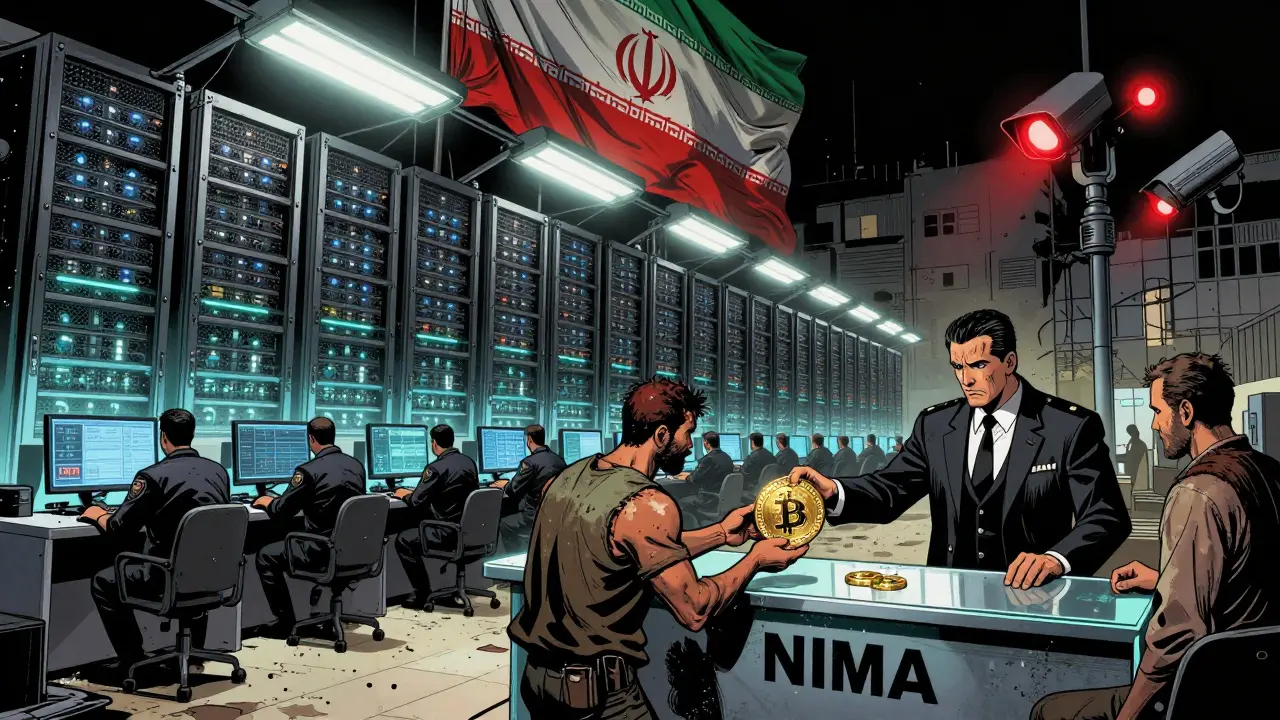
This contradiction exists because Iran needs Bitcoin mining to bypass U.S. sanctions. The government even supplies cheap electricity to miners, turning crypto into a state-sanctioned export tool. But if you try to buy crypto with a bank card or convert it to rials through a licensed exchange, you’re breaking the law. The Central Bank of Iran has repeatedly warned that crypto transactions aren’t protected, and anyone caught using them for payments could face fines or account freezes. Meanwhile, miners operate in basements and warehouses, often using stolen power or government-subsidized grids. It’s not legal, but it’s too profitable to stop.
What’s more, Iran’s crypto rules change fast. In 2023, the government started requiring miners to register their equipment and sell 50% of their output to the central bank at a fixed rate. That’s how they control the flow of hard currency. For regular users, this means you can’t legally cash out your Bitcoin—but you can still trade it peer-to-peer on local apps like Tapas or Arvan, often at steep discounts to global prices. Taxation? There’s no official crypto tax, but if you’re caught making large profits, authorities may accuse you of currency smuggling or illegal forex trading.
And it’s not just about Bitcoin. Ethereum, Tether, and even meme coins are traded openly in Tehran’s bazaars and Telegram groups. But if you’re caught using crypto to send money abroad, you could be charged with violating foreign exchange laws. Real people have been detained for transferring $10,000 in crypto to a friend overseas. The government doesn’t want crypto to replace the rial—but it also doesn’t want to lose the billions in mining revenue.
So what does this mean for you? If you’re in Iran, you’re likely already using crypto. If you’re outside Iran and thinking about investing in Iranian crypto projects, be careful—most are scams or unregulated gambling platforms. The only real crypto activity in Iran is mining and peer-to-peer trading, and even that’s done under constant threat of legal action.
Below, you’ll find real stories, legal breakdowns, and practical advice from people living under Iran’s crypto rules. No fluff. No speculation. Just what’s actually happening on the ground.