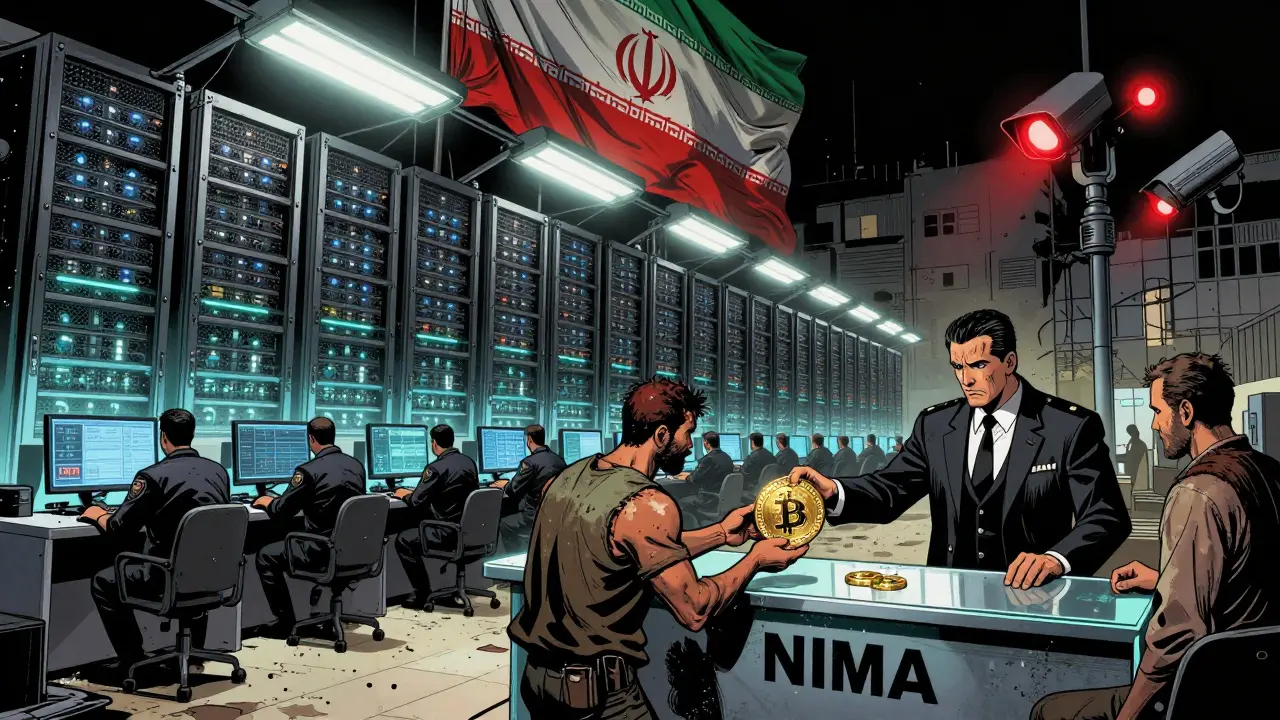
Cryptocurrency in Iran: Rules, Risks, and Real-World Use
When people talk about cryptocurrency in Iran, the use of digital currencies like Bitcoin and Ethereum to bypass financial restrictions and inflation. Also known as crypto in Iran, it’s not just a tech trend—it’s a survival tool for millions facing frozen bank accounts and soaring prices. While the government officially bans crypto transactions through banks, Iranians still trade, mine, and hold digital assets daily. Why? Because the Iranian rial lost over 400% of its value against the dollar in the last five years, and crypto offers a way to store value outside the system.
Most Iranians don’t use centralized exchanges like Binance or Coinbase—they rely on peer-to-peer platforms, local traders, and decentralized tools. Some use HTX, a crypto exchange popular in Asia and Africa with no U.S. presence, while others trade directly via Telegram groups. Mining is also common, especially in regions with cheap electricity. But here’s the catch: using crypto doesn’t mean you’re safe. The Iranian government has cracked down on miners, seized equipment, and jailed people for large transfers. It’s a gray zone: legal enough to use, dangerous enough to get caught.
What you won’t find in official reports are the real stories: a teacher using USDT to pay for her daughter’s online courses, a mechanic buying parts through a crypto marketplace, or a family converting savings into Bitcoin to avoid currency collapse. These aren’t speculative investors—they’re ordinary people using crypto as a lifeline. The posts below cover what’s actually happening on the ground: how Iranians access crypto despite restrictions, which platforms work (and which don’t), and what happens when authorities come knocking. You’ll also see how other countries like Nepal and Singapore handle crypto rules, so you understand the bigger picture. This isn’t about hype or future potential. It’s about what people are doing right now to stay financially alive.