Cryptocurrency Ban: What It Means, Where It Happens, and How to Stay Safe
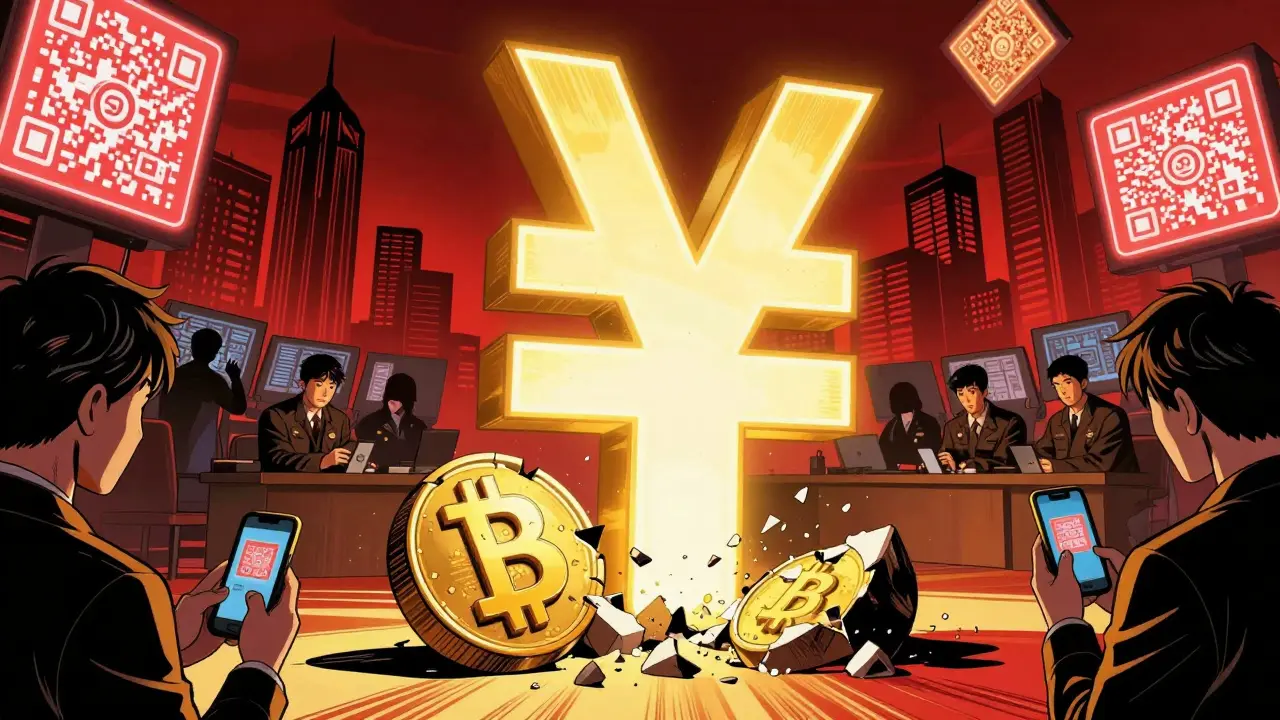
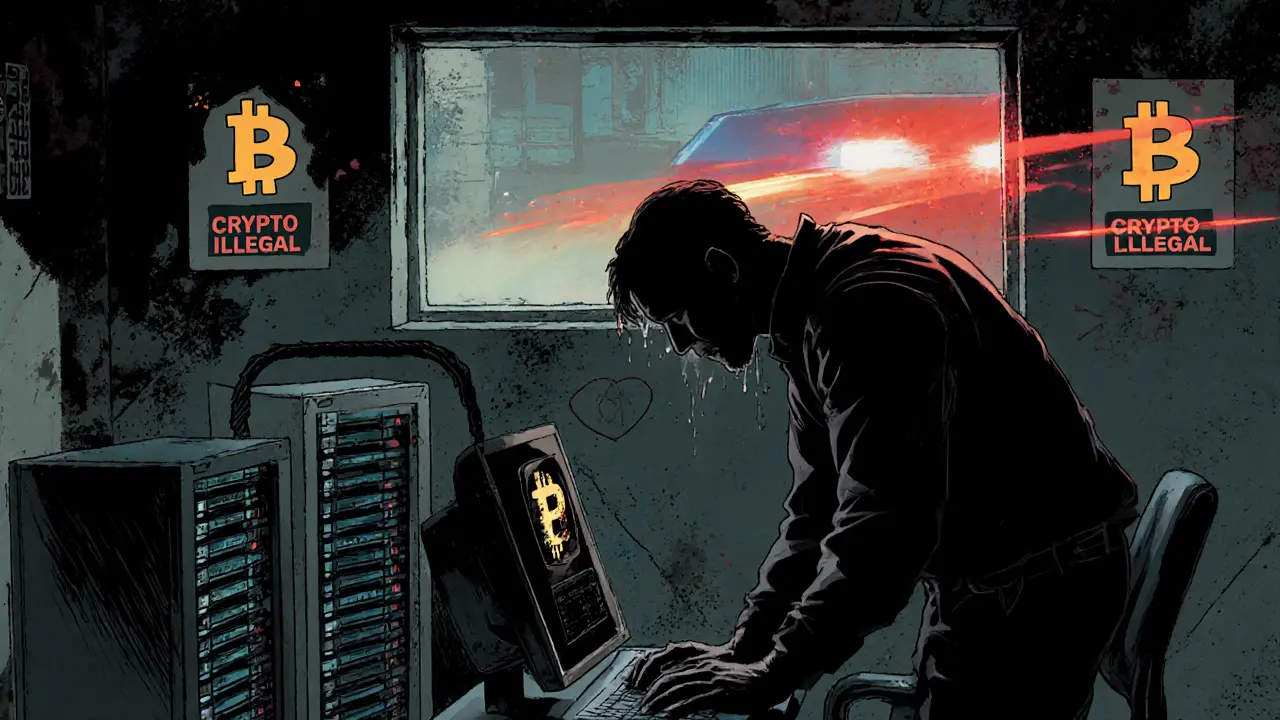
When a government enforces a cryptocurrency ban, a legal prohibition on buying, selling, holding, or trading digital assets. Also known as crypto prohibition, it doesn’t just block exchanges—it turns everyday crypto use into a potential crime. This isn’t theoretical. In Tunisia, you could face five years in prison for holding Bitcoin. In Egypt, the Central Bank has declared crypto transactions illegal under Law No. 194/2020, even as they quietly use blockchain for government projects. These aren’t just policy shifts—they’re life-altering legal traps.
Why do countries do this? Most cite control, financial stability, or fear of capital flight. But the real targets are often ordinary people trying to save money or send remittances. Countries like Tunisia, a North African nation with strict state control over finance and Egypt, where the central bank bans crypto but allows blockchain for public infrastructure don’t just shut down apps—they monitor wallets and track IP addresses. Even using a VPN won’t hide you if your bank reports suspicious activity. And it’s not just these two—places like Nigeria, Iran, and Vietnam have cracked down hard, with fines, asset seizures, and arrests. The crypto penalties, legal consequences for violating digital asset laws vary wildly: some charge fines, others jail time, and a few even confiscate your hardware.
What’s missing from headlines is the gray area. Some governments ban exchanges but allow private peer-to-peer trades. Others ban trading but let you hold crypto as long as you don’t convert it to fiat. Then there’s the crypto regulation, legal frameworks that control but don’t prohibit digital assets—like New York’s BitLicense or Japan’s FSA rules—where compliance is expensive but legal. The difference between a ban and regulation? One lets you operate under strict rules. The other makes you a criminal for even trying.
What you’ll find below isn’t theory. It’s real cases. Posts detail how Tunisia’s ban is enforced, why Egypt’s law targets users but not blockchain tech, and how unregulated exchanges like Cryptonex and Thore Exchange thrive in these legal shadows. You’ll see how airdrops like SPIN and BINO get caught in crosshairs, and why stablecoins like Zether USD vanish when regulators move. This isn’t about speculation—it’s about survival. Know where the lines are drawn. Know what’s illegal. And know how to protect yourself before it’s too late.