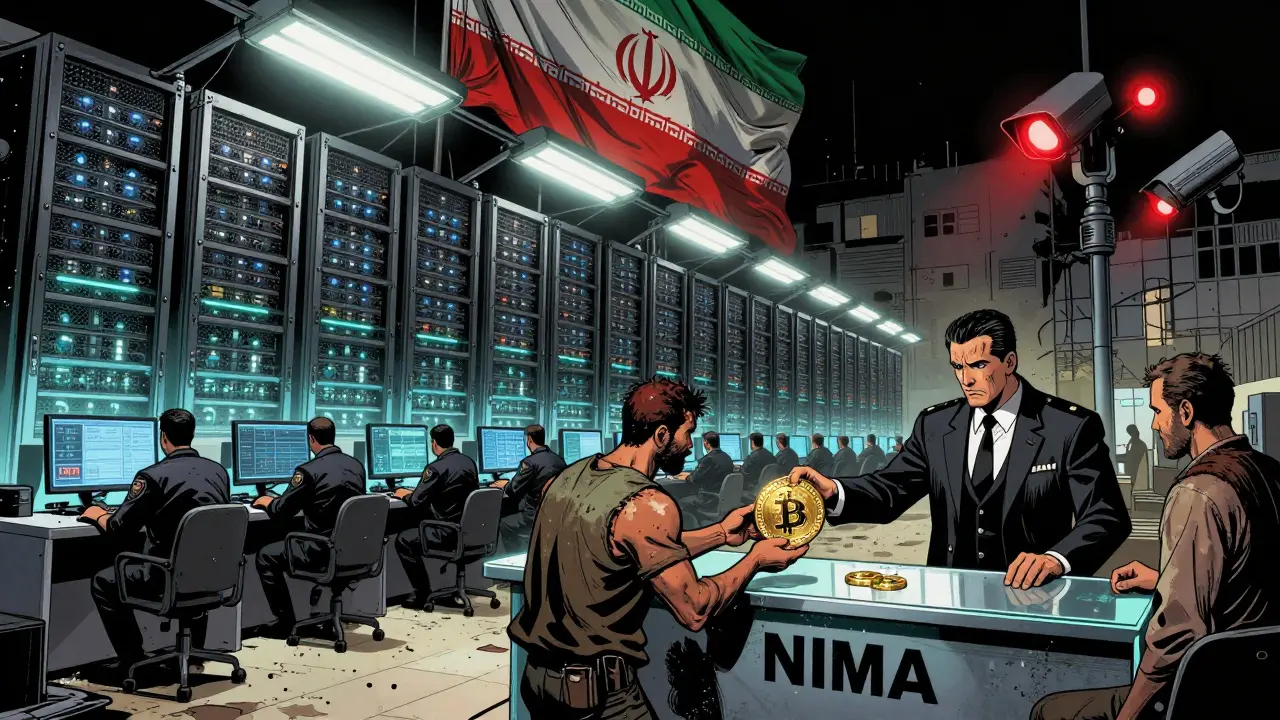
Crypto Trading in Iran: Rules, Risks, and Real Workarounds
When it comes to crypto trading in Iran, the practice of buying, selling, or holding digital assets despite state restrictions. Also known as unregulated cryptocurrency use, it’s become a lifeline for Iranians facing inflation, banking freezes, and currency collapse. The government officially bans crypto transactions through banks and licensed exchanges, but that hasn’t stopped millions from trading. People aren’t ignoring the law—they’re working around it.
Most Iranians use peer-to-peer crypto, direct trades between individuals using local payment methods like bank transfers or cash. Also known as P2P trading, it’s the backbone of Iran’s crypto economy. Platforms like LocalBitcoins and Paxful are blocked, so traders rely on Telegram groups, WhatsApp networks, and informal marketplaces. Sellers often demand cash in person or use unofficial bank channels. The risk? Scams, price manipulation, and sudden crackdowns—but the reward is access to stable assets like Bitcoin and USDT when the rial keeps losing value. Meanwhile, crypto exchanges Iran users actually rely on, like HTX and Paritex, operate outside the country’s legal reach. These platforms don’t require KYC for small trades, making them ideal for everyday users. HTX, for example, serves over 45 million users globally and has strong traffic from Asia and Africa—including Iran—despite being blocked in the U.S. What’s missing? Official support. No Iranian exchange is licensed. No government-backed wallet exists. That means if you get hacked, frozen, or scammed, there’s no legal recourse.
People in Iran aren’t trading crypto for fun. They’re protecting savings, sending money abroad, or buying essentials when imports are restricted. Some mine Bitcoin using cheap electricity, while others trade meme coins like DRDR or SANI hoping for a quick flip. But every trade carries danger: arrests for large transactions, asset seizures, or being flagged by state surveillance. The law may say crypto is illegal, but the market says otherwise. Below, you’ll find real stories, exchange reviews, and risk assessments from people who’ve been there. No theory. No fluff. Just what works—and what gets you in trouble.