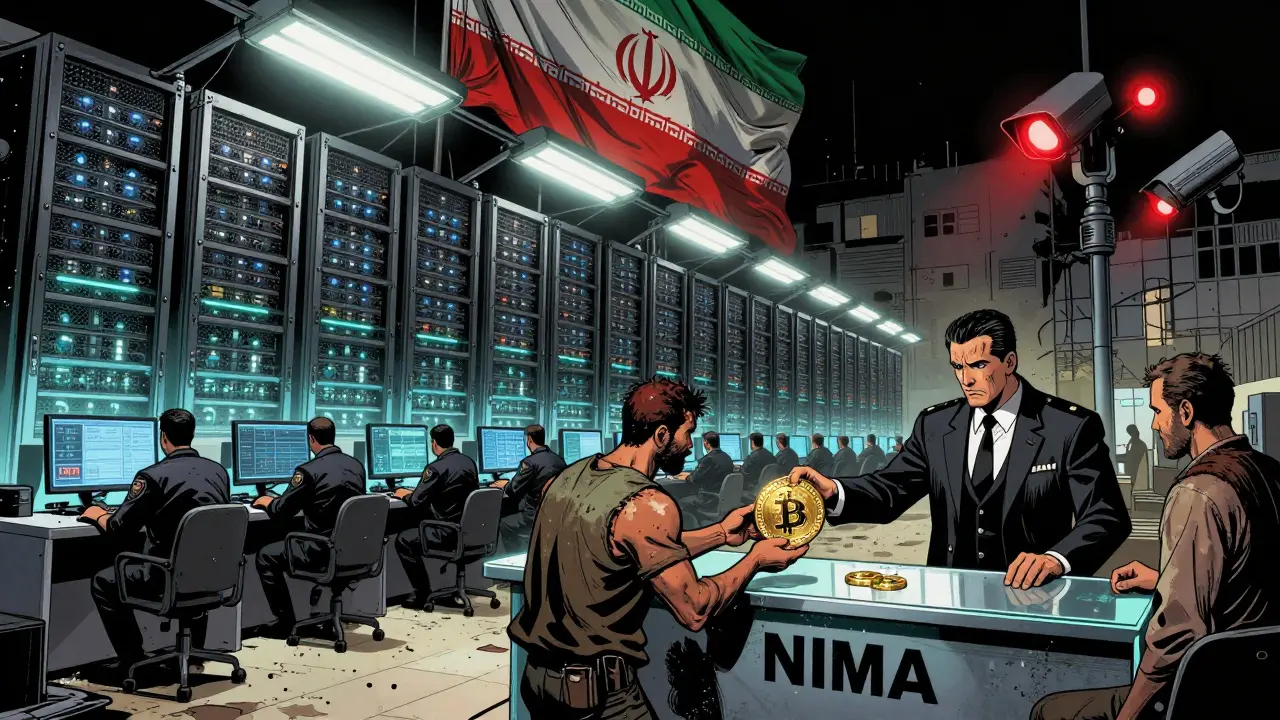
Crypto Regulation in Iran: What You Need to Know About Trading and Legal Risks
When it comes to crypto regulation in Iran, the government’s stance on digital assets is strict, inconsistent, and often enforced through sudden policy shifts. Also known as Iranian cryptocurrency rules, it’s not a simple ban—but it’s far from acceptance. While the state doesn’t outright outlaw holding Bitcoin or Ethereum, it tightly controls how you can buy, sell, or mine them, and penalties for violating these rules can be severe. Unlike countries like Singapore or the U.S., where regulation brings clarity, Iran’s approach is reactive: crackdowns follow spikes in usage, and enforcement targets individuals more than exchanges.
Bitcoin mining, once a quiet underground industry in Iran due to cheap electricity, is now heavily restricted. The government has shut down hundreds of mining farms, citing energy shortages. Even though miners used to power entire neighborhoods with surplus heat, now owning mining rigs without a state license can lead to fines or asset seizure. Meanwhile, crypto trading restrictions mean you can’t legally use Iranian banks to convert rials to crypto or vice versa. Yet, peer-to-peer platforms and unofficial channels keep trading alive—often through Telegram groups or local cash exchanges. This creates a dangerous gap: people are using crypto to protect savings from inflation, but they’re doing it without legal protection. If you get scammed, hacked, or reported, there’s no recourse.
Compare this to Nepal’s prison sentences for large crypto transactions or Singapore’s fortress-like licensing rules—Iran’s system is less about control and more about survival. The state wants to monitor transactions but can’t fully stop them. That’s why you’ll find Iranians using bridged stablecoins like USDT.e to move value across borders, or buying NFTs through offshore wallets to avoid domestic tracking. The same people who avoid HTX or Paritex because of U.S. restrictions are using them because they’re one of the few platforms that still allow Iranian IPs.
What’s missing in most coverage is the human side: students trading crypto to pay for online courses, small businesses accepting Bitcoin to bypass sanctions, or families using crypto to receive money from relatives abroad. These aren’t speculative investors—they’re people using what’s available to survive. And that’s why the real story behind crypto regulation in Iran isn’t about policy documents. It’s about how ordinary people navigate a system that wants them to stay in the dark, but still needs them to keep the lights on.
Below, you’ll find real-world breakdowns of crypto rules in countries like Nepal and Singapore, deep dives into how exchanges like HTX operate under pressure, and guides on avoiding scams when trading in high-risk environments. This isn’t theoretical—it’s what people are living through right now.