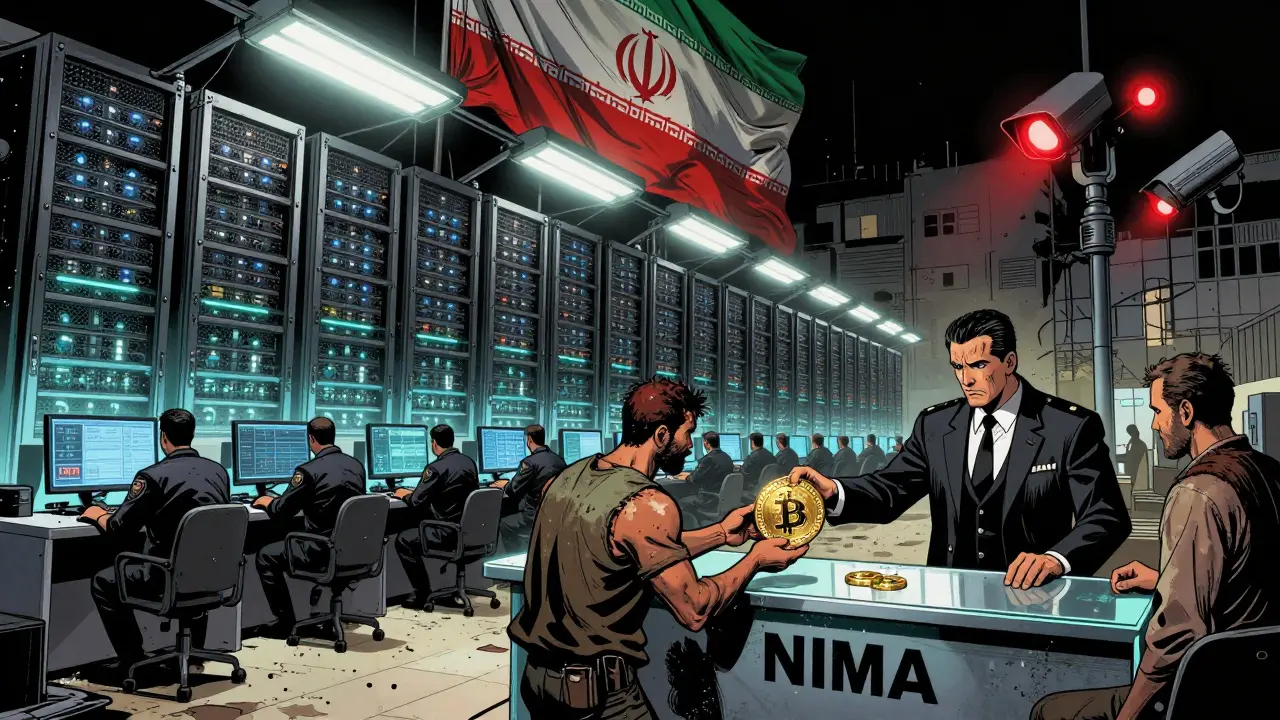
Crypto Mining in Iran: Rules, Risks, and Real Results
When it comes to crypto mining Iran, a global hotspot for Bitcoin mining due to ultra-low electricity prices and minimal regulation. Also known as Iranian cryptocurrency mining, it’s where miners from across the Middle East and beyond set up shop—not because they love the weather, but because they can run an ASIC miner for pennies per hour. This isn’t theoretical. In 2024, Iran accounted for over 7% of the global Bitcoin hash rate, according to Cambridge University’s blockchain research group. That’s more than Canada, the UK, and Germany combined.
What makes it work? electricity costs Iran, averaging less than $0.02 per kWh for industrial users, sometimes even lower for mining farms connected to state subsidies. Compare that to the U.S., where average rates hover around $0.15, and you see why mining rigs line the rooftops of Tehran apartments and warehouse districts in Isfahan. The hardware? Mostly ASIC miners, specialized machines like the Antminer S19 and WhatsMiner M30S, bought in bulk from China and smuggled through unofficial channels. These aren’t hobby rigs—they’re industrial setups running 24/7, often powered by diesel generators when the grid falters.
But here’s the catch: hash rate, the measure of how much computing power is being used to mine Bitcoin. It’s not just about having machines. It’s about keeping them alive. Iran’s power grid is unstable. Blackouts happen daily. Miners use UPS systems, solar backups, and even battery banks scavenged from old electric cars. And while the government officially bans mining for private use, it turns a blind eye to large-scale operations that pay taxes in crypto or deliver hardware to state-run facilities. Some miners even get official permits—just not the kind you’d find online.
Then there’s the risk. The U.S. and EU have slapped sanctions on Iranian crypto mining farms, freezing bank accounts and blocking hardware imports. Miners get raided. Rigs get seized. People disappear. In 2023, a Tehran-based miner was arrested for running 1,200 ASICs without a license—and sentenced to two years in prison. That’s not a rumor. It’s court record. The same people mining Bitcoin to send money abroad are also the ones risking everything to bypass sanctions.
So is crypto mining in Iran worth it? For some, yes. For others, it’s a gamble with jail time. The profit margins are insane—if you can keep your machines running and avoid the cops. But the rules change weekly. A new decree could ban all mining tomorrow. Or it could legalize it under state control. No one knows. What we do know is this: if you’re looking for the most aggressive, high-risk, high-reward mining environment on the planet, Iran is still leading the pack. Below, you’ll find real stories, real data, and real breakdowns of what’s happening on the ground—no fluff, no hype, just what miners are seeing, feeling, and surviving every day.