Blockchain Supply Chain: How Crypto Is Changing How Goods Move
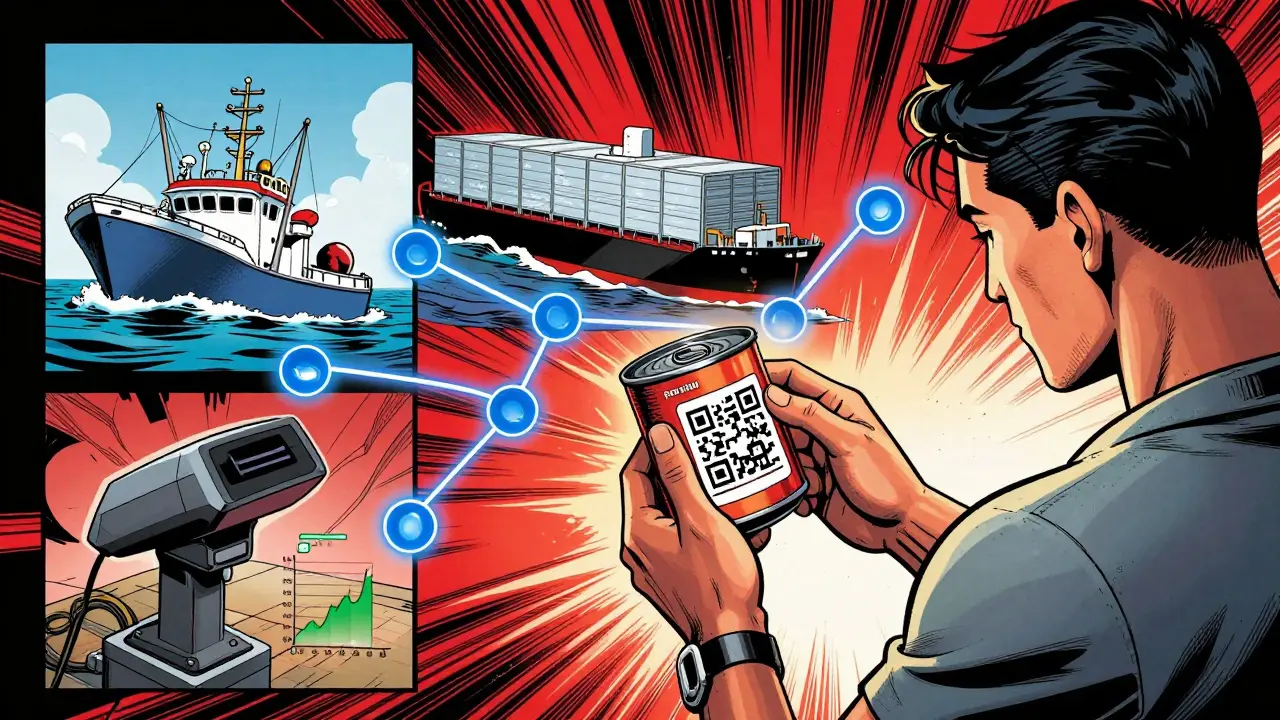
When you buy a coffee, a phone, or a pair of sneakers, you rarely know where it came from—or if it was made ethically. That’s where blockchain supply chain, a system that uses decentralized ledgers to track goods from origin to shelf. Also known as decentralized supply chain, it records every step on a public, tamper-proof ledger so no one can hide where something came from or who touched it. Unlike old paper logs or clunky databases, blockchain doesn’t rely on one company to keep the records honest. It’s like giving every box, bottle, or part its own digital passport that anyone can verify.
This isn’t just theory. Companies are already using it to prove coffee beans weren’t harvested by child labor, to show pharmaceuticals didn’t get swapped for fakes, and to track fish from ocean to plate. The supply chain transparency, the ability to see every stage of a product’s journey without hidden layers is what makes this powerful. If a shipment of electronics gets stuck at customs, blockchain lets you see exactly where the delay happened—not guess. And if a recall is needed, you don’t have to scrap half a warehouse—you can pull only the exact batches that are risky.
But it’s not magic. The tech only works if the data going in is real. If a farmer says they shipped 100 sacks of cocoa but never scans the barcode, the blockchain just records a lie. That’s why successful projects pair blockchain with IoT sensors, QR codes, or RFID tags that auto-update the ledger. It’s also why big players like Walmart, Maersk, and Nestlé are testing it—not because it’s trendy, but because they’re losing money to fraud and inefficiency.
What you’ll find here aren’t hype pieces. These are real cases: how a crypto token got used to track diamond shipments, why a logistics firm switched from Excel to a blockchain ledger, and what happened when a food brand tried to prove its organic claims with smart contracts. Some worked. Some failed hard. All of them show the same thing: crypto in logistics, using cryptocurrency or blockchain-based systems to improve how goods are moved and verified isn’t about replacing trucks with Bitcoin. It’s about making sure what’s on the label matches what’s in the box—and who gets paid when it arrives.