
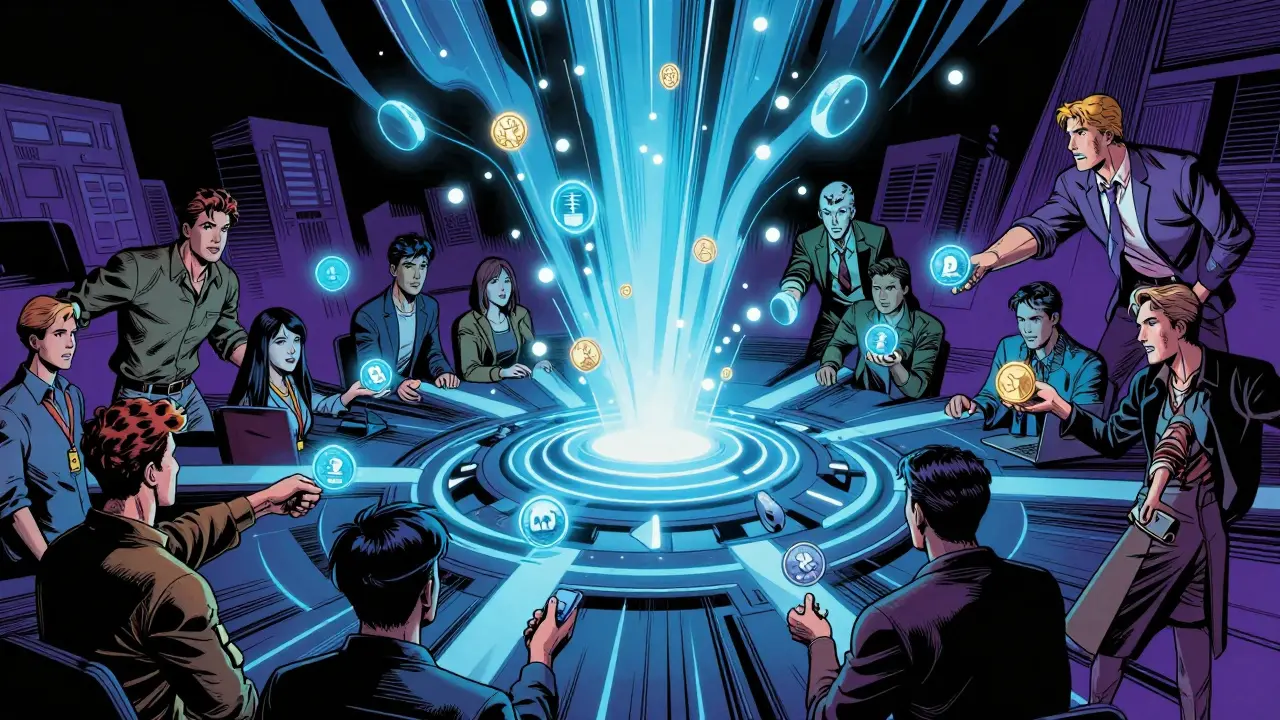
When a new blockchain project launches, the way it hands out its tokens can make or break its future. It’s not just about raising money-it’s about building a community that sticks around, uses the product, and helps it grow. That’s where utility token distribution models come in. These aren’t random giveaways or wild auctions. They’re carefully designed systems that decide who gets tokens, how many, and under what conditions. Get this wrong, and you end up with a few big holders controlling everything. Get it right, and you create a self-sustaining ecosystem where everyone has skin in the game.
Why Token Distribution Matters More Than You Think
A lot of people focus on the price of a token on day one. But that’s like judging a restaurant by how many people showed up for the grand opening. What really counts is whether those people come back, bring friends, and keep ordering. Token distribution is the recipe for that. If 80% of tokens go to the founding team and investors, there’s little left for users. That means no real adoption. If tokens are dumped on the market all at once, the price crashes. If whales buy up 30% of the supply before retail investors even get a chance, the project becomes centralized again-exactly what blockchain was meant to fix. The best utility token models balance three things: fairness, incentive, and sustainability. They make sure early backers are rewarded, but not at the expense of the community. They give developers room to grow, but not so much that they control the network. And they avoid creating a speculative bubble that bursts in six months.Paid Distribution: How Projects Raise Money Without Breaking the Law
Most projects need money to build. Paid distribution models are how they raise it-legally and responsibly. SAFT (Simple Agreement for Future Tokens) is common in the U.S. and other regulated markets. It’s not a token sale. It’s a contract. Investors pay now, but they don’t get tokens until the network is live and the tokens are officially issued. This helps avoid being classified as a security upfront. SAFTs usually list investor allocations as percentages, not exact token counts, because the final token supply isn’t fixed yet. Token Sale Agreements come after the network is live. These are direct sales where tokens already exist. They require strict KYC and AML checks-proof of identity, source of funds, and more. This isn’t optional. Regulators like the SEC and ASIC in Australia are watching closely. Projects that skip this risk fines, lawsuits, or being shut down. Initial Coin Offerings (ICOs) were the wild west of 2017. Anyone could buy tokens with Bitcoin or Ethereum, no questions asked. Today, most legitimate projects avoid pure ICOs. Too many scams ruined the name. But some still use them in regions with lighter regulation, as long as they’re clear the tokens are for utility, not investment. Initial Exchange Offerings (IEOs) are safer. Instead of selling directly, the project partners with a big exchange like Binance or Kraken. The exchange handles KYC, marketing, and liquidity. It’s less risky for users because the exchange vets the project. But it’s also more expensive for the project, since the exchange takes a cut.Free Distribution: Building a Community, Not Just a Wallet
Not every token needs to be sold. Some of the most successful projects give tokens away-for free. Airdrops are the most popular. Tokens are sent directly to wallets of people who did something useful: held a certain coin, used a dApp, signed up for a newsletter, or even just followed the project on Twitter. Airdrops don’t raise money, but they build awareness and loyalty. Projects like Uniswap and Arbitrum used airdrops to bootstrap user bases overnight. Staking Rewards give tokens to people who lock up their coins to help secure the network. The more you stake, the more you earn. This keeps tokens circulating and discourages dumping. It also gives users a reason to hold long-term instead of flipping on day one. Liquidity Mining is similar but focused on decentralized exchanges. If you add your tokens to a trading pool-say, ETH and a new project’s token-you earn extra tokens as a reward. This helps the project get listed on DEXs and creates real trading volume without paying for it.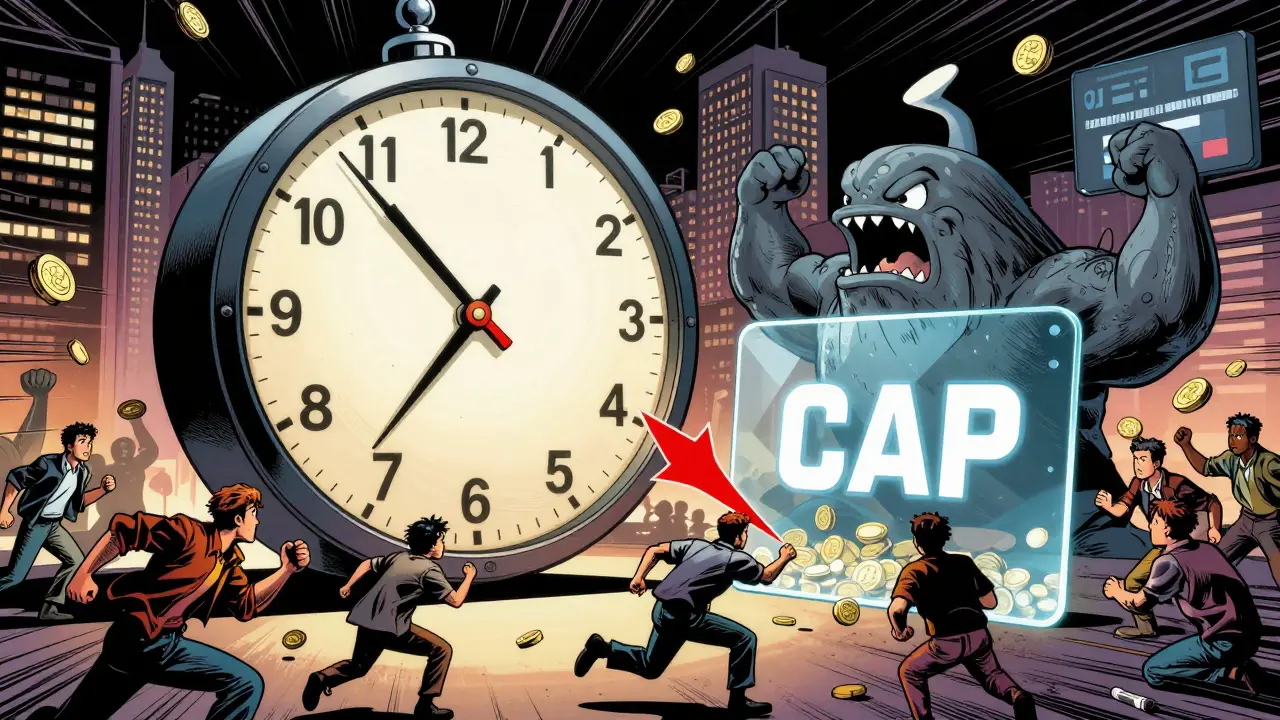
How Tokens Are Actually Allocated: The Numbers Behind the Scenes
Most projects break their token supply into clear buckets. Here’s what a typical allocation looks like:- Team & Founders: 15-20% (vested over 2-4 years)
- Investors: 20-30% (private sale, SAFT, or IEO)
- Community & Airdrops: 25-40%
- Treasury: 10-15% (for future development, grants, emergencies)
- Liquidity & Staking Rewards: 10-20%
Capped vs. Uncapped: Controlling the Rush
How you sell tokens during a public sale makes a huge difference. Uncapped sales mean anyone can buy as much as they want. The project keeps selling until the fundraising goal is met. Sounds fair? Not really. Big wallets (whales) can snap up 50% of the supply before small investors even load their wallets. This leads to extreme centralization and price crashes when those whales dump. Capped sales fix this. There are two main types:- Capped with redistribution: You commit $1,000, but the sale ends with only $500 worth of tokens left. The extra $500 gets refunded. This rewards early participants and prevents overspending.
- Capped with parcel limits: No one can buy more than $500 worth. Even if you’re rich, you’re limited. This ensures hundreds or thousands of small holders get in, not just a few whales.
Launchpads and LBPs: The New Standard for Fair Launches
Launchpads like Polkastarter, DaoMaker, and Binance Launchpool are now the go-to for token sales. They’re not just platforms-they’re fairness engines. They use Liquidity Bootstrapping Pools (LBPs), which are smart contracts that slowly lower the token price over time. Instead of a fixed price, the price drops gradually over 24-72 hours. This gives everyone a chance to buy, even if they’re slow to react. Whales can’t front-run the sale because the price isn’t fixed. It’s dynamic. LBPs also automatically create liquidity. When the sale ends, the tokens and the ETH or USDC raised are locked in a trading pool. That means the token can be traded immediately-no waiting for listing. No pump-and-dump cycles. Just organic price discovery.
What Not to Do: Common Mistakes in Token Distribution
Even smart teams mess this up. Here are the biggest errors:- Too much for the team: Over 25% without vesting? Red flag. Vesting schedules (releasing tokens over time) are non-negotiable.
- No treasury: If the project runs out of cash, it dies. Always reserve 10%+ for the future.
- One big airdrop: Giving 10,000 tokens to 10 people isn’t a community. Giving 100 tokens to 1,000 people is.
- Ignoring regulation: Selling to U.S. investors without compliance? Don’t. The SEC will come for you.
- Zero anti-whale limits: If one wallet owns 30% of the supply, decentralization is a lie.
What the Future Holds: DAOs, Fairness Algorithms, and On-Chain Governance
The next wave of token distribution is tied to DAOs (Decentralized Autonomous Organizations). Tokens aren’t just currency-they’re voting rights. Holders vote on treasury spending, new features, and even who gets hired. Projects are now using fairness algorithms to detect and block bot accounts during airdrops. They’re using on-chain analytics to see who’s truly active in the ecosystem, not just someone who created 10 wallets. The goal? No more one-time buyers. No more speculators. Just users who are in it for the long haul.Final Thought: It’s Not About the Token. It’s About the People.
Utility tokens only have value if people use them. If your token is locked in a wallet and never spent, it’s just a number. The best distribution models don’t just hand out tokens-they hand out ownership. They turn users into stakeholders. They build networks, not just apps. If you’re launching a project, ask yourself: Who are you building for? And how will you make sure they stay?What’s the difference between a utility token and a security token?
A utility token gives access to a product or service on a blockchain network-like paying for storage, computing power, or voting rights. A security token represents ownership in an asset, like shares in a company. Regulators treat security tokens like stocks, meaning they must follow strict financial laws. Utility tokens avoid this by design: they’re meant to be used, not traded for profit.
Can utility tokens increase in value?
Yes, but not because they’re investments. Their value rises when more people use the network, demand increases, and supply stays limited. If a token is needed to access a popular dApp, and only a fixed number exist, its price can go up. But if people stop using it, the price falls. It’s tied to real usage, not hype.
Are airdrops safe?
Most are, but watch out for scams. Legit airdrops never ask you to send crypto to receive tokens. They never ask for your private key. If you’re asked to pay a fee or connect your wallet to an unknown site, it’s a phishing attempt. Always check the official project website and Twitter before claiming anything.
Why do some projects have vesting periods for team tokens?
Vesting prevents insiders from dumping their tokens right after launch. If the team gets 20% of tokens but can only access 5% per year over four years, they’re incentivized to build the project long-term. Without vesting, teams could cash out early and abandon the project-something that happened too often in early crypto.
How do I know if a token distribution is fair?
Check three things: 1) Is the team allocation under 20% with vesting? 2) Is there a treasury (10%+)? 3) Is at least 25% allocated to community and airdrops? If yes, it’s likely fair. Also look at the blockchain explorer-see how many wallets hold the token. If 10 wallets own 70% of supply, it’s centralized. If 10,000 wallets hold it evenly, that’s healthy decentralization.