Legal Risks for Tunisian Crypto Users and Traders in 2025
Tunisia bans all cryptocurrency activity with penalties including up to five years in prison. Learn what's illegal, how enforcement works, and the real risks for traders and holders in 2025.

When it comes to Tunisian crypto laws, the official rules around buying, selling, and holding cryptocurrency in Tunisia. Also known as Tunisian cryptocurrency regulations, these rules are still forming and often leave users guessing what’s allowed. Unlike countries with clear crypto frameworks like Japan or the U.S., Tunisia hasn’t passed a single law that fully legalizes or bans digital assets. Instead, the central bank and government have sent mixed signals—warning against crypto while quietly allowing it to grow underground.
This ambiguity affects everyone: traders, investors, and even freelancers getting paid in Bitcoin. The Central Bank of Tunisia, the country’s main financial regulator. Also known as Banque Centrale de Tunisie (BCT), it has repeatedly said crypto isn’t legal tender and warned about fraud and money laundering risks. But here’s the twist: Tunisians still use crypto. Many rely on peer-to-peer platforms like LocalBitcoins and Paxful to send money abroad, pay for services, or protect savings from inflation. The Tunisian government, the body responsible for enforcing financial rules and tax policies. Also known as Tunisian state authorities, it has not shut down crypto exchanges or arrested users—suggesting de facto tolerance, even without formal approval. Meanwhile, the tax authority, the agency that collects income and capital gains taxes. Also known as Direction Générale des Impôts (DGI), has not issued clear guidance on whether crypto profits are taxable. That means most users aren’t reporting trades, and enforcement is nearly nonexistent.
What you won’t find in official documents is how Tunisians are actually using crypto. From freelancers earning in USDT to students buying Ethereum to pay for online courses, the grassroots adoption is real. The lack of regulation isn’t stopping innovation—it’s just making it risky. If you’re in Tunisia and holding crypto, you’re operating in a gray zone: not illegal, but not protected either. No consumer safeguards, no dispute resolution, no recourse if an exchange disappears. And if the government ever decides to crack down, you could lose everything overnight.
What you’ll find in the posts below are real-world examples of how crypto rules play out across different countries—like Egypt’s outright ban, New York’s BitLicense, and Japan’s strict oversight. These aren’t just comparisons. They’re lessons. They show what happens when governments act fast—or wait too long. If you’re thinking about trading, investing, or even just holding crypto in Tunisia, you need to understand the risks. Not because the law says so. But because the market doesn’t care about your hopes.
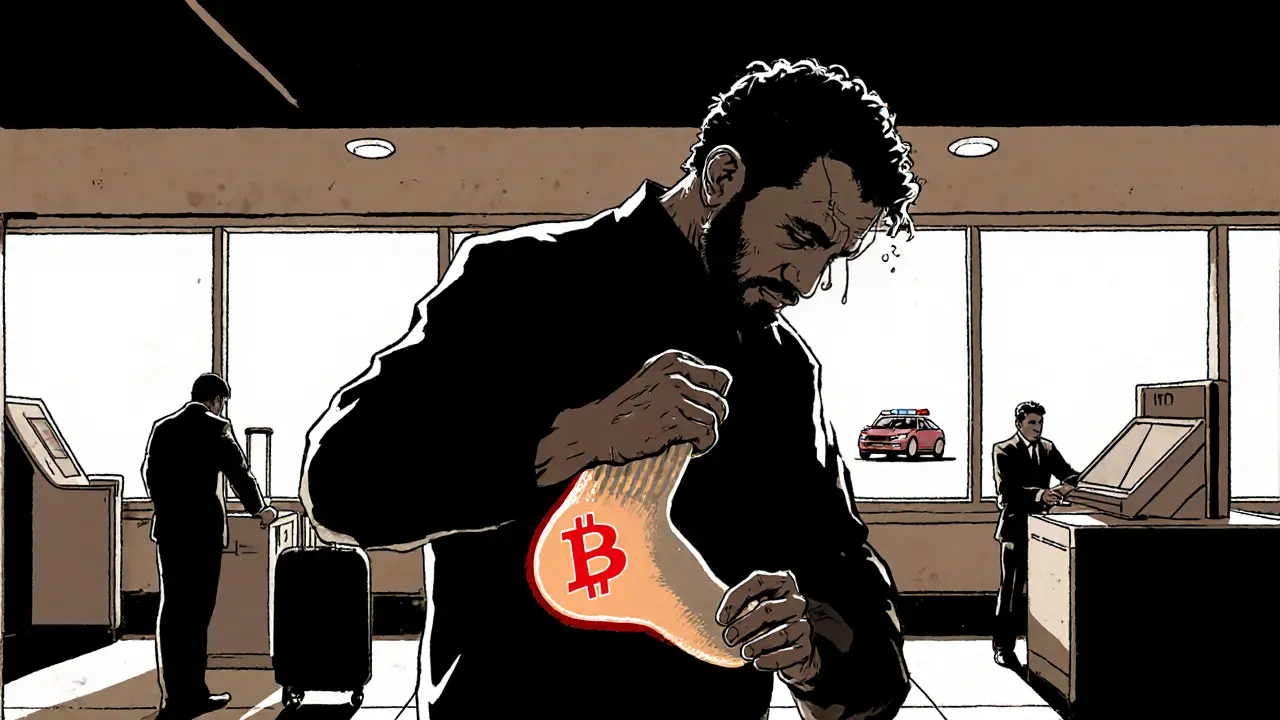
Tunisia bans all cryptocurrency activity with penalties including up to five years in prison. Learn what's illegal, how enforcement works, and the real risks for traders and holders in 2025.