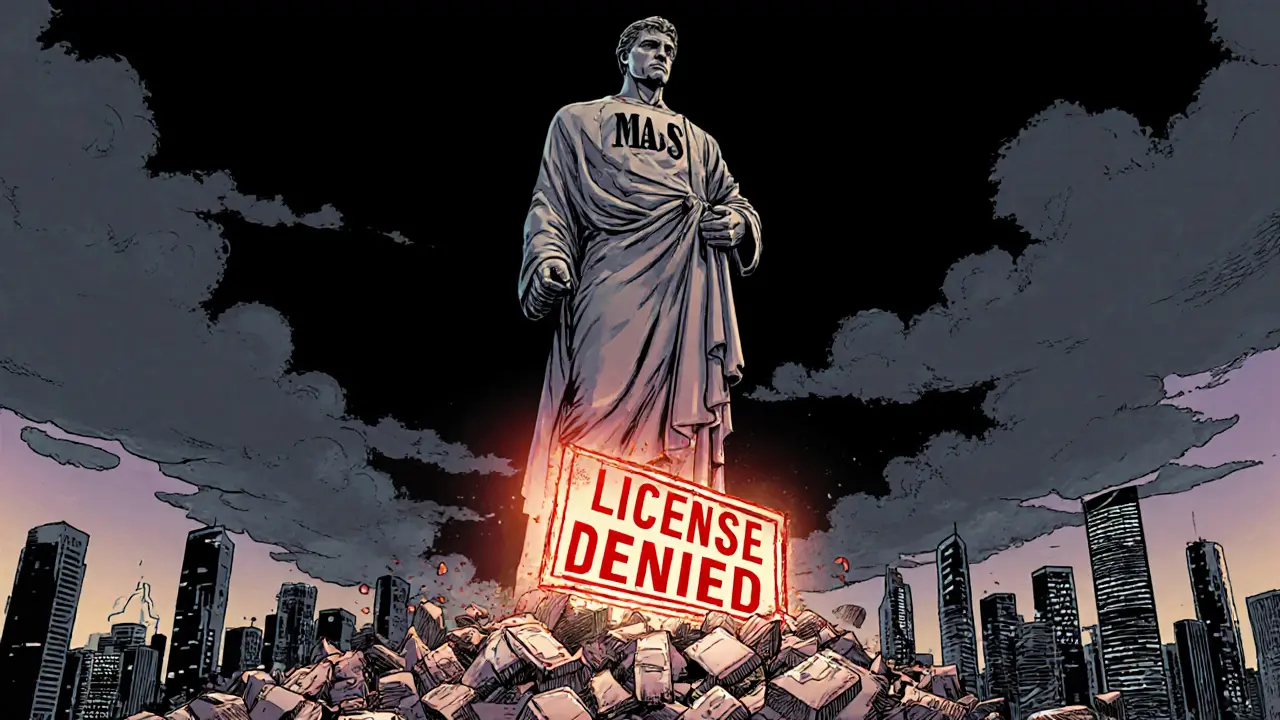
Singapore Crypto Rules: What You Need to Know in 2025
When it comes to Singapore crypto rules, the regulatory framework set by the Monetary Authority of Singapore (MAS) that governs digital asset trading, exchanges, and token issuance. Also known as MAS crypto regulation, it’s one of the most transparent systems in Asia, designed to attract serious players while shutting down scams. Unlike places where crypto is banned or ignored, Singapore makes you jump through clear hoops—so you know exactly where you stand.
These rules don’t just apply to big exchanges like Binance or Kraken—they cover anyone offering crypto services to Singapore residents. If you’re running a crypto exchange Singapore, a platform that lets users buy, sell, or trade digital assets with fiat or other cryptocurrencies. Also known as digital asset exchange, it must be licensed by MAS and prove it has strong anti-money laundering controls, customer fund protection, and cybersecurity. Staking services, token sales, and even crypto lending platforms need approval too. The MAS doesn’t care if you’re based in Bali or Berlin—if your service reaches Singaporeans, you’re under their watch.
One of the biggest shifts happened in 2023, when MAS started requiring all stablecoin issuers to hold 100% reserve backing in cash or short-term government bonds. No more algorithmic magic or vague claims about "collateral." If you’re issuing a token pegged to the US dollar, you better have the cash to prove it. This move wiped out dozens of shady stablecoins overnight and gave users real confidence. It also pushed platforms like digital asset regulation, the legal and operational standards governing how digital assets are issued, traded, and stored in Singapore. Also known as crypto compliance framework, it's built to balance innovation with investor safety. to clean up their act or leave the market.
What does this mean for you? If you’re trading on a Singapore-licensed exchange, your funds are safer than on most unregulated platforms. But if you’re holding crypto on an overseas exchange that doesn’t comply with MAS rules, you’re on your own. No insurance, no recourse, no protection. The MAS doesn’t bail out users—it just makes sure the platforms you use are built to last.
And it’s not just about exchanges. If you’re a business accepting crypto payments, running a DeFi protocol, or launching a token, you need to know if your activity falls under MAS’s definition of a capital markets service. That includes anything resembling investment contracts, derivatives, or tokenized assets. Many startups think they’re "just a tool"—until MAS sends them a letter asking for a license. The penalty? Fines up to SGD 2 million, or jail time for executives.
There’s no gray zone here. Singapore doesn’t play pretend. They’ve made it easy to follow the rules—just apply, prove you’re serious, and keep your books clean. And if you’re an investor? You get clarity. No more guessing if your favorite token is legal. If it’s on a licensed platform, it’s been vetted. If it’s not? You’re taking a risk no regulator will ever fix for you.
Below, you’ll find real reviews and deep dives on exchanges, tokens, and platforms that either comply with Singapore’s rules or ignore them entirely. Some are safe. Some are dangerous. All of them show you what’s actually happening on the ground—because in crypto, rules only matter if someone enforces them.