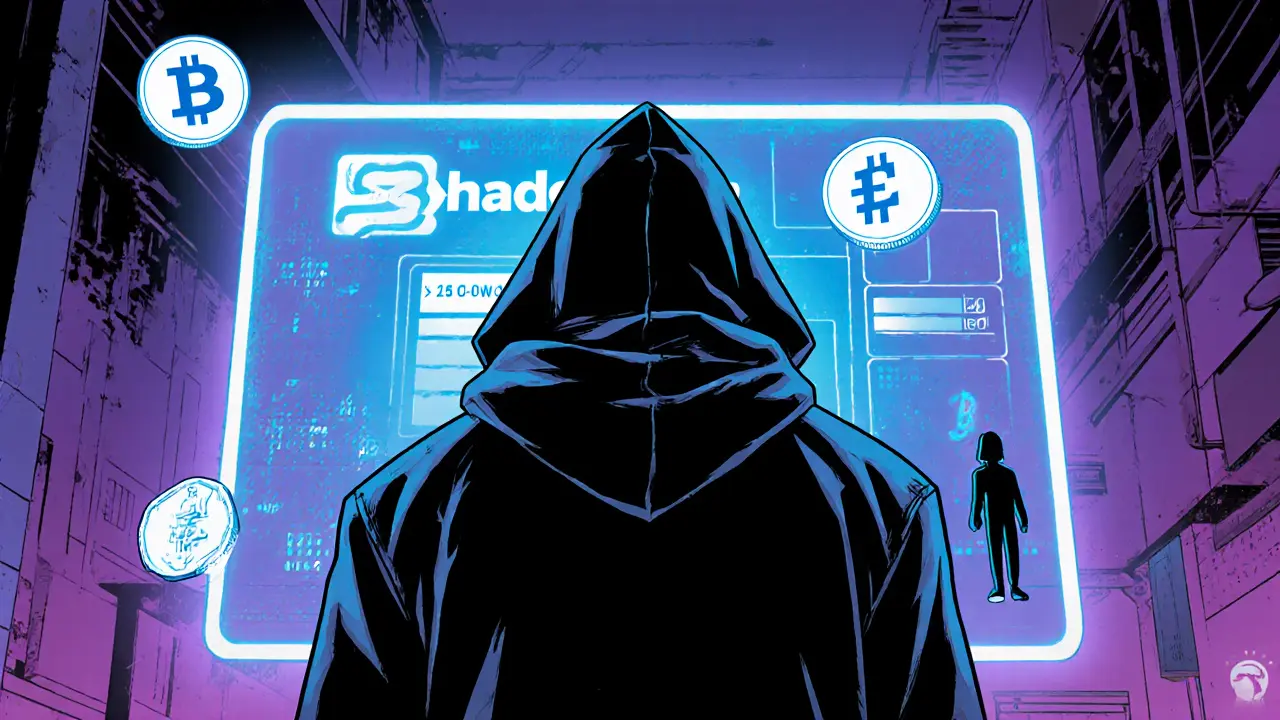
ShadowSwap Exchange: What It Is, How It Works, and Alternatives
When you hear ShadowSwap exchange, a decentralized exchange built for low-fee token swaps on emerging blockchains. Also known as ShadowSwap DEX, it’s one of many niche platforms trying to compete with giants like Uniswap and PancakeSwap—but without the traffic, liquidity, or trust. Unlike major DEXs that list hundreds of tokens and have millions in daily volume, ShadowSwap operates quietly, often with just a handful of trading pairs and thin liquidity pools. That means slippage can be brutal, and your trades might not even go through if the pool is too small.
What makes ShadowSwap different isn’t its tech—it’s its obscurity. It doesn’t have a well-known team, no public audit reports, and almost no user reviews. That’s not a feature. It’s a red flag. Compare that to PancakeSwap, a high-volume DEX on Binance Smart Chain with proven liquidity and active community support, or mySwap, a Starknet-based DEX optimized for speed and low gas fees. Both have clear documentation, active development, and real user data backing them. ShadowSwap? You’re on your own.
Most people who use ShadowSwap are chasing obscure tokens that aren’t listed anywhere else. Maybe you found a new meme coin with a 10x promise and the only place to buy it is ShadowSwap. But here’s the catch: if you want to sell, you might be stuck. Low liquidity means no buyers. And if the token’s price crashes? Good luck finding someone to take it off your hands. This isn’t speculation—it’s a pattern we’ve seen over and over with similar platforms. The same goes for StellaSwap, a Polkadot-focused DEX with cross-chain swaps and real user adoption. It’s built for a reason: to solve real problems. ShadowSwap doesn’t solve anything—it just exists.
If you’re looking for a safe, reliable way to swap crypto, there are better options. ShadowSwap exchange might look tempting if you’re new and don’t know what to look for. But trust isn’t built on promises. It’s built on transparency, volume, and community. The posts below dig into real DEXs that actually work—like mySwap on Starknet, StellaSwap on Polkadot, and even why platforms like Cryptonex and Thore Exchange fail. You’ll see what separates a functional exchange from a ghost town. And you’ll learn how to spot the ones you should avoid before you lose money.