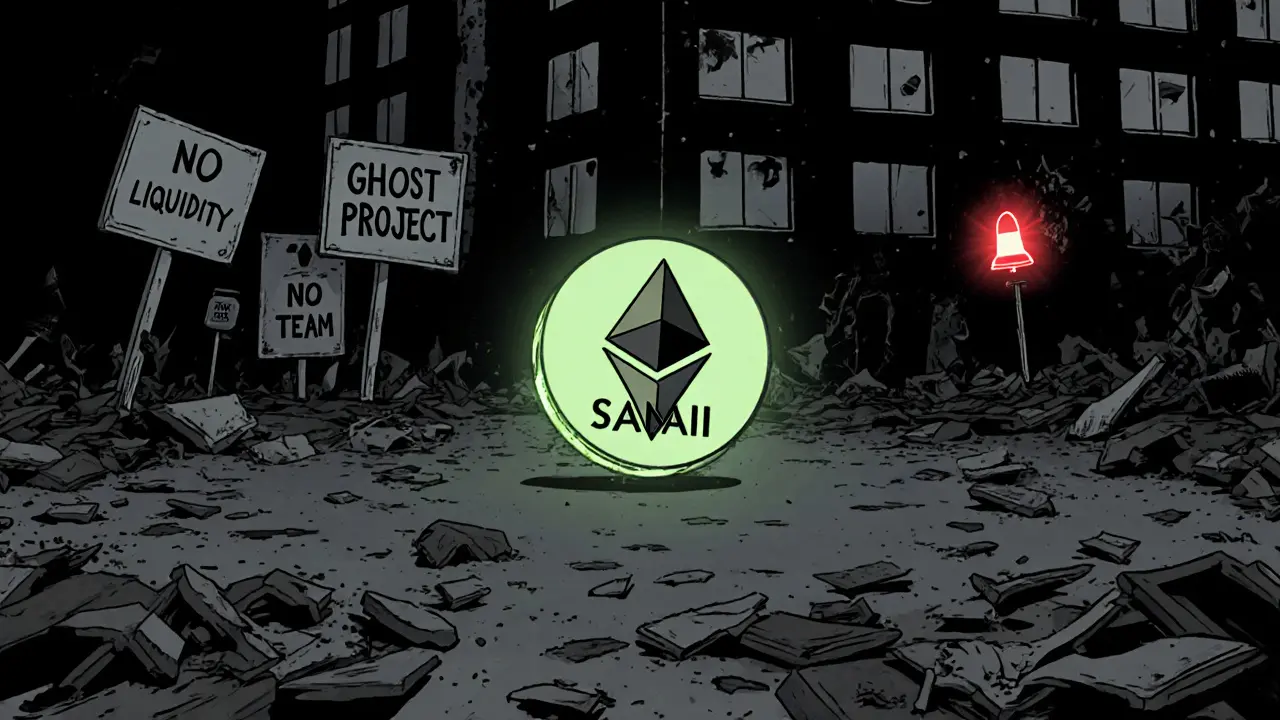
Sanin Inu: What It Is, Why It Matters, and What You Need to Know
When you hear Sanin Inu, a meme cryptocurrency inspired by dog-themed tokens like Dogecoin and Shiba Inu. Also known as SINU, it’s not a project built on deep tech or utility — it’s a social experiment fueled by online communities and viral trends. Unlike Bitcoin or Ethereum, Sanin Inu doesn’t solve a real-world problem. It doesn’t offer faster payments, decentralized storage, or smart contracts. Instead, it thrives on one thing: people believing in it — enough to buy, hold, or share it.
Sanin Inu fits into a broader category of meme coins, cryptocurrencies that start as jokes but gain value through community engagement and social media momentum. Think Dogecoin, PEPE, or even DRDR — all born from memes, not whitepapers. These coins often launch with no team, no roadmap, and no audited code. Their only asset is hype. And sometimes, that’s enough to move prices. But here’s the catch: most of them vanish just as fast as they appear. The ones that stick? They usually have a loud, active group of holders who keep talking, trading, and recruiting new buyers.
What makes Sanin Inu different from the hundreds of other dog coins flooding the market? Nothing, really — unless you’re one of the early holders who caught the wave. That’s the pattern. A new token drops, a TikTok trend blows up, a few influencers post about it, and suddenly it’s on CoinGecko. Then, the same people who bought in at $0.000001 start selling when it hits $0.000015. The cycle repeats. And while some users make quick gains, most end up holding a token with zero real value. This isn’t investing — it’s gambling with digital stickers.
What you’ll find in the posts below aren’t glowing reviews or guaranteed returns. You’ll find honest breakdowns of similar projects — like DRDR, Titcoin, or Spintop SPIN — that started with the same energy as Sanin Inu. Some had flashy airdrops. Others had fake partnerships. A few even tried to tie themselves to music NFTs or gaming platforms. None lasted. But they all teach you something: if a coin doesn’t have real infrastructure, real users, or real development, it’s just a ticker symbol on a screen. And when the hype dies, so does the price.
So if you’re curious about Sanin Inu, ask yourself: are you buying a coin, or are you buying into a story? The posts here don’t tell you to buy or sell. They show you what’s happened before — so you can decide for yourself whether this time is different, or just another loop in the same old game.