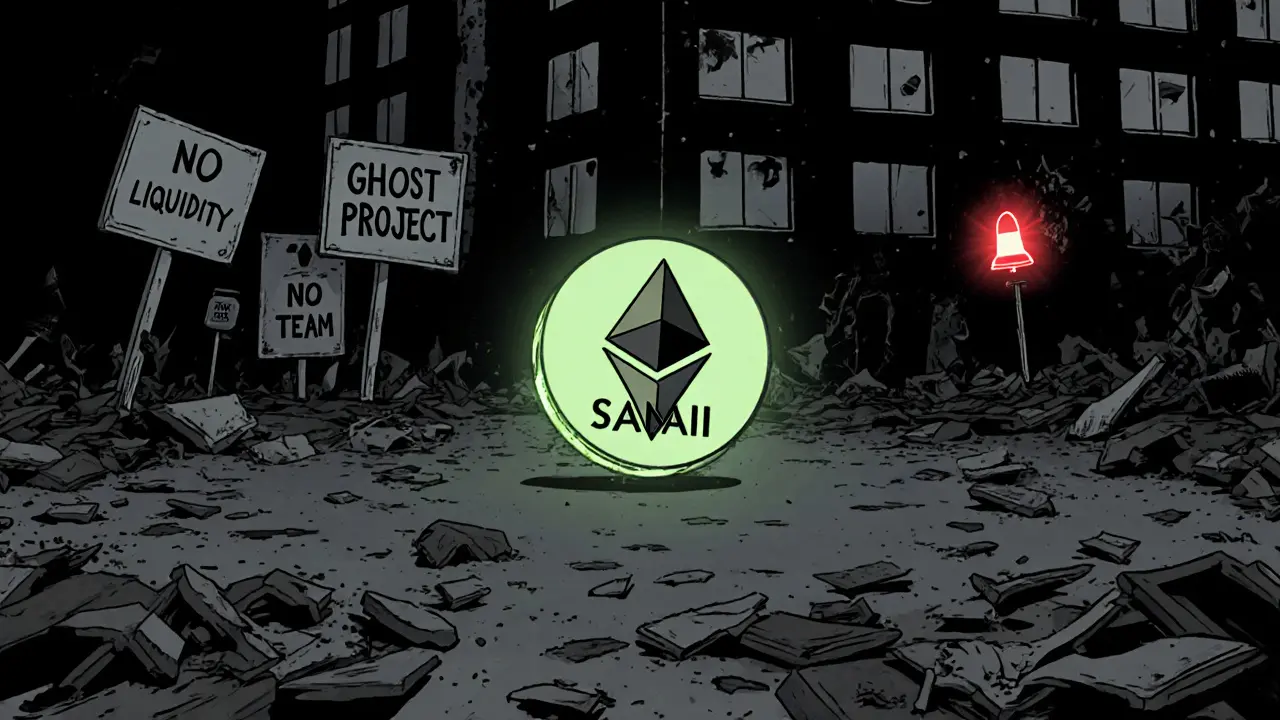
SANI Cryptocurrency: What It Is, Risks, and Where It Fits in Crypto
When you hear about SANI cryptocurrency, a lesser-known digital token with unclear utility and minimal market presence. Also known as SANI token, it's one of hundreds of obscure crypto projects that pop up without clear roadmaps or teams behind them. Unlike major coins like Bitcoin or Ethereum, SANI doesn’t have public documentation, verified developers, or exchange listings on top platforms. That doesn’t mean it’s fake—but it does mean you’re walking into uncharted territory with little guardrails.
Most crypto projects that fade into obscurity share the same red flags: no whitepaper, no active community, no clear use case. SANI fits that pattern. It’s not listed on Binance, Coinbase, or even smaller reputable DEXs like Uniswap or PancakeSwap. If you see it trading somewhere, it’s likely on a low-volume, unregulated exchange with no liquidity safeguards. That’s not just risky—it’s dangerous. One study from Chainalysis found that over 70% of tokens with under $100K daily volume disappear within six months. SANI likely falls into that category.
What makes SANI different from other forgotten tokens? Nothing, really. It doesn’t offer staking, NFT integration, or DeFi features like SyncVault or MXC. It’s not tied to music, IoT, or gaming like other niche tokens we’ve covered. There’s no real-world adoption, no team to contact, and no audits. If you’re considering buying SANI, you’re not investing in tech—you’re gambling on hype. And in crypto, hype without substance is just a countdown to zero.
But here’s the thing: you’re not alone. Thousands of people chase these obscure tokens every day, hoping to find the next big thing. Most never do. The real winners are the ones who stick to projects with transparent teams, clear goals, and real usage. SANI doesn’t have any of those. If you’re looking for crypto that actually does something, check out the reviews below. You’ll find real projects with real data—not ghost tokens with no history and no future.