Physical Theft Protection for Crypto: How to Keep Your Digital Assets Safe
When it comes to physical theft protection, the real-world safeguards that prevent criminals from stealing your crypto through force, deception, or access to your devices. Also known as offline security, it’s the difference between losing everything and keeping your life’s savings intact. Most people think crypto security is all about passwords and two-factor auth. But if someone breaks into your home, steals your laptop, or tricks you into handing over your recovery phrase, none of that matters. Physical theft protection is what stops that from happening.
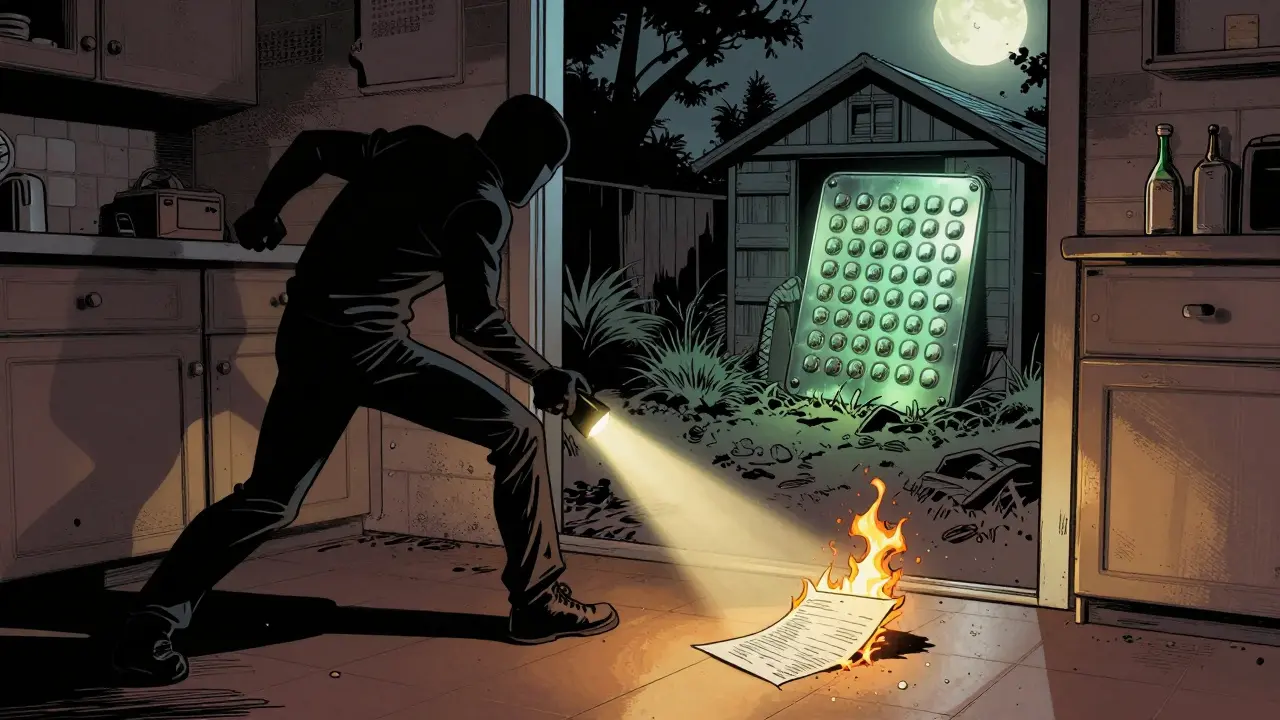
Think about your hardware wallet, a physical device designed to store crypto offline and resist digital attacks. It’s not just a gadget—it’s your digital vault. Brands like Ledger and Trezor are built to survive drops, water, and even attempts to pry them open. But if you leave it on your nightstand next to your phone, you’re still vulnerable. The real game is hiding it where no thief would think to look—inside a false wall, a fireproof safe, or buried in your backyard with a GPS tracker. This isn’t paranoia. It’s what people who’ve lost six figures actually do. And then there’s the private key, the secret code that gives you control over your crypto, which must never be stored digitally or shared. Writing it on paper is step one. Storing it in a bank safety deposit box is better. But if your sibling knows where you keep it, or your landlord finds it during a move, you’re exposed. That’s why serious holders split keys across multiple locations, use metal plates engraved with characters, and avoid any digital backup—ever. Even your cold storage, any crypto storage method kept completely offline to prevent remote hacking—whether it’s a USB drive, a printed QR code, or a steel seed phrase—can be stolen if you don’t treat it like cash. People forget: crypto isn’t just hacked. It’s stolen from people’s pockets, their homes, their minds. The posts below show how this plays out in real life—from a guy in Nepal who got jailed for trading crypto, to investors in Singapore who lost everything because they trusted an exchange with their keys. You’ll see how crypto mining in Iran requires government-approved hardware, and why a simple slip-up with your recovery phrase led to a $200K loss in Portugal. These aren’t hypotheticals. They’re lessons.
What you’ll find here isn’t theory. It’s the hard-won advice from people who’ve been robbed, scammed, or nearly lost it all. Whether you’re holding Bitcoin, Ethereum, or a risky meme coin, if you don’t protect the physical side of your assets, you’re gambling with your future. The tools are simple. The risks are real. And the consequences? Permanent.