Meme Cryptocurrency: What It Is, Why It Moves Markets, and What You Need to Know
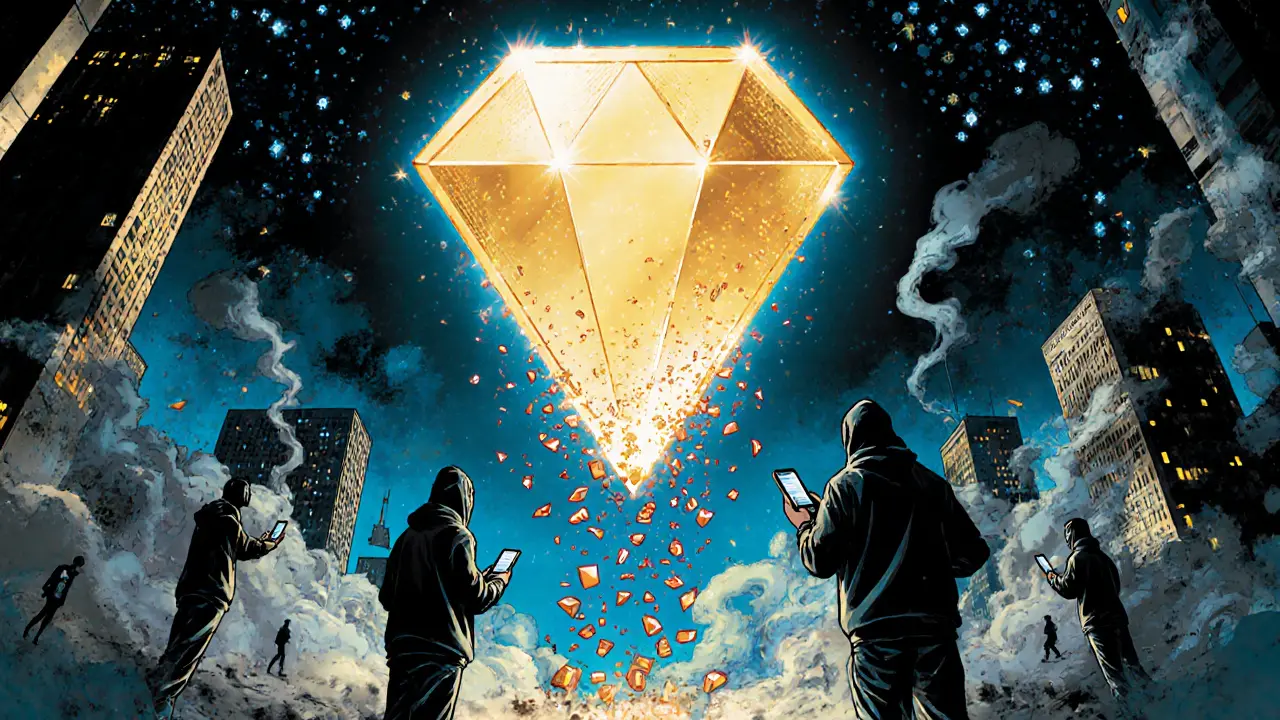
When you hear meme cryptocurrency, a digital asset created as a joke but often driven by social media hype and community belief. Also known as meme coin, it doesn't solve real-world problems like payments or data storage—it thrives on internet culture, viral trends, and pure speculation. Dogecoin started as a parody of Bitcoin in 2013. Shiba Inu showed up years later with a similar vibe. Yet both have hit billion-dollar market caps. Why? Because people aren't buying tech—they're buying belonging. A meme coin isn't valued by whitepapers or team credentials. It's valued by how many people are talking about it on Reddit, X, or TikTok.
That’s why meme cryptocurrency relates directly to social media, the engine that fuels price spikes and crashes. A single tweet from Elon Musk can send Dogecoin up 30% in minutes. A subreddit thread can spark a new coin with zero code but thousands of buyers. These coins also connect to crypto exchanges, platforms where these coins are listed, traded, and sometimes abandoned overnight. Look at Ebi.xyz—it’s built for meme-coin futures. Or Cryptonex, which promised wild returns on tokens with no real use. These aren’t accidents. They’re designed to ride the meme wave.
But here’s the catch: most meme coins die. Titcoin, built for the adult industry, vanished. FutureCoin’s airdrop promised riches but delivered nothing. Spintop’s SPIN token? A flash in the pan. The ones that survive—like Dogecoin or Shiba Inu—do so because they built communities, not just contracts. They became inside jokes that turned into movements. And that’s the real power. It’s not about blockchain tech. It’s about trust, humor, and mass psychology.
So if you're looking at a new meme coin, ask yourself: Is this just another joke with a token attached? Or is there a group of people who actually care enough to keep it alive? The posts below don’t sell you hype. They show you the real stories behind the coins people chase. You’ll find breakdowns of risky tokens, failed airdrops, and exchanges built for meme traders. You’ll see what worked, what crashed, and why most people lose money chasing the next viral coin. This isn’t a guide to get rich quick. It’s a guide to not get taken for a ride.