IoT Cryptocurrency: How Smart Devices Are Changing Blockchain Use
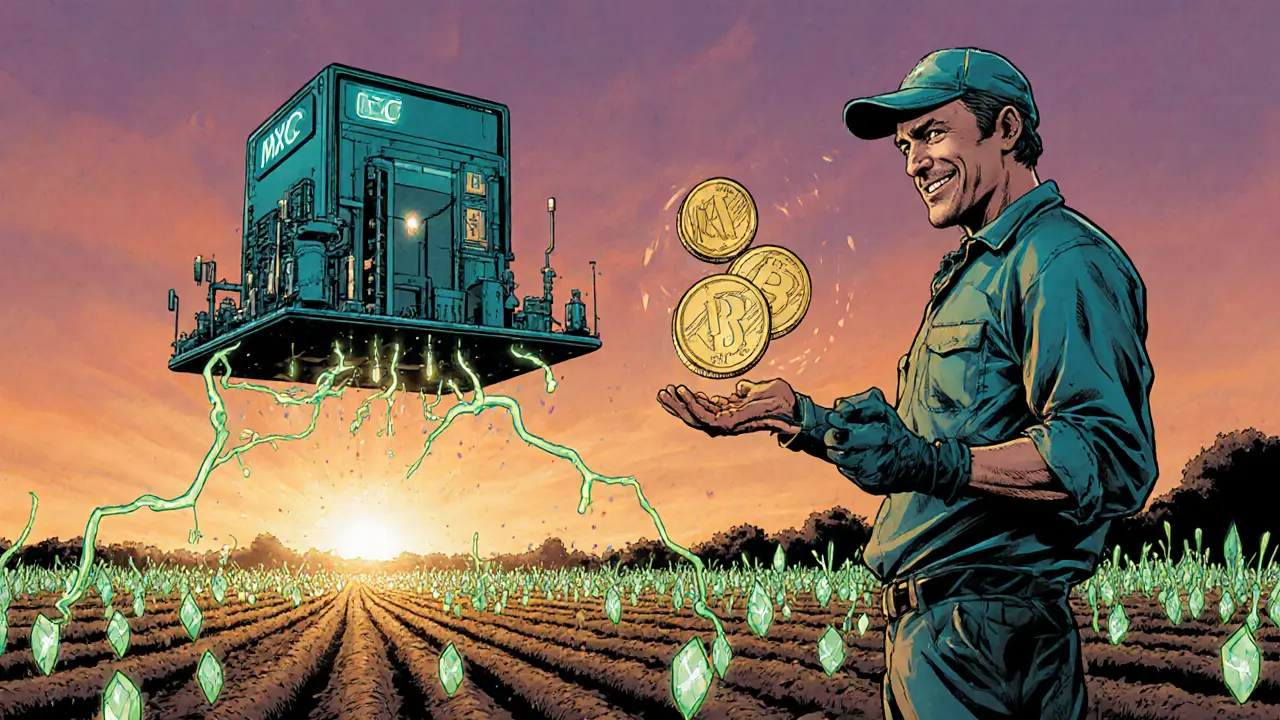
When you think of cryptocurrency, you probably picture trading on your phone or holding Bitcoin in a wallet. But there’s another side to crypto that’s quietly growing: IoT cryptocurrency, crypto built to power communication and payments between physical devices like sensors, smart locks, and wearables. Also known as blockchain IoT, it turns everyday gadgets into mini economic nodes that can send micro-payments, share data, or earn tokens just by operating. Imagine your smart thermostat paying for electricity in real time, or a drone delivering a package and automatically receiving crypto as payment—all without human input.
This isn’t science fiction. Projects like U2U Network, a DePIN crypto coin using DAG tech to connect physical infrastructure like sensors and routers are already testing this. Then there’s StellaSwap, a decentralized exchange built for cross-chain swaps that can handle token transfers between IoT devices on different blockchains. These aren’t just apps—they’re infrastructure. The real value comes when devices can autonomously trade resources: a solar panel selling excess energy to a neighbor’s EV, a traffic sensor earning tokens for reporting congestion, or a smart fridge paying for refrigerant refills using crypto.
But here’s the catch: most IoT crypto projects fail. Why? Because they ignore the basics. Devices need low power, fast confirmations, and tiny fees. Bitcoin and Ethereum are too slow and expensive. That’s why many turn to Layer 2 networks, stablecoins, or custom blockchains like those used in DePIN, a category of crypto projects that reward users for providing real-world infrastructure like bandwidth, storage, or computing power. The most successful ones don’t just add crypto—they redesign how devices interact. Think less flashy tokens, more silent, reliable microtransactions.
What you’ll find below are real examples of how this works—or doesn’t. From meme coins pretending to be IoT-related to actual DePIN networks powering physical hardware, we’ve pulled together the projects that matter. No hype. No fluff. Just what’s working, what’s dead, and what you need to know before your next smart device starts earning crypto on its own.