Legal Risks for Tunisian Crypto Users and Traders in 2025
Tunisia bans all cryptocurrency activity with penalties including up to five years in prison. Learn what's illegal, how enforcement works, and the real risks for traders and holders in 2025.

When you hear crypto trading illegal in Tunisia, the country has officially banned all cryptocurrency transactions under its financial regulations. Also known as cryptocurrency prohibition in Tunisia, this rule isn’t just a suggestion—it’s enforced by the Central Bank of Tunisia with real legal consequences. Unlike countries that regulate crypto, Tunisia outright prohibits buying, selling, or exchanging digital assets through any local platform or foreign exchange. The ban, rooted in Law No. 2018-35, treats crypto as a threat to monetary sovereignty and financial stability, not as an asset class.
Why does this matter if you’re not in Tunisia? Because people still trade. Underground markets, peer-to-peer transfers via Telegram, and foreign exchanges with no KYC are thriving. But here’s the catch: if you’re caught, you could face fines, asset seizure, or even jail time. The Central Bank of Tunisia works with telecom providers to block access to major crypto sites, and banks are required to report any suspicious transactions linked to digital currencies. Even using a VPN won’t protect you from legal action if funds are traced back to a Tunisian ID or bank account. This isn’t a gray area—it’s a hard stop.
Meanwhile, blockchain tech itself isn’t banned. The government quietly explores it for land registries and public records, separating the tech from the money. But if you’re using Bitcoin to pay for goods, trading Ethereum on Binance, or staking tokens through a DeFi app—you’re breaking the law. There’s no licensing path, no legal exchange, and no official guidance. What you find online about "Tunisian crypto wallets" or "how to buy crypto in Tunisia" is either outdated, misleading, or outright dangerous advice.
What you’ll find in the posts below aren’t guides on how to bypass the ban. Instead, you’ll see real analysis of how similar bans play out elsewhere—like Egypt’s strict crypto prohibition—and what happens when governments try to control digital money. You’ll also see deep dives into exchanges that shut down under pressure, regulatory frameworks that backfired, and how users adapt when legal channels vanish. This isn’t about circumventing laws. It’s about understanding why they exist, who they hurt, and what the real risks look like when the state says no.
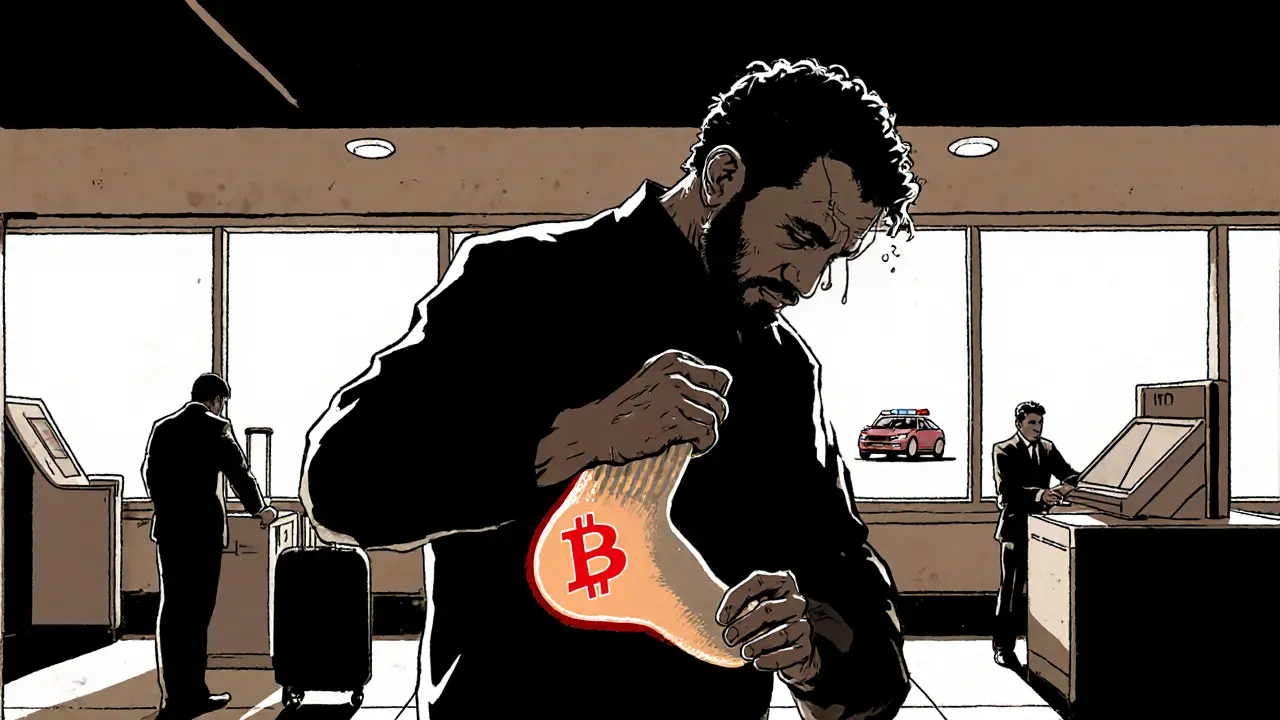
Tunisia bans all cryptocurrency activity with penalties including up to five years in prison. Learn what's illegal, how enforcement works, and the real risks for traders and holders in 2025.