Legal Risks for Tunisian Crypto Users and Traders in 2025
Tunisia bans all cryptocurrency activity with penalties including up to five years in prison. Learn what's illegal, how enforcement works, and the real risks for traders and holders in 2025.

When you hold or trade cryptocurrency in Tunisia, a North African country with strict financial controls and limited recognition of digital assets as legal tender. Also known as Tunisian crypto regulations, it enforces rules that treat crypto transactions as high-risk activities under its financial oversight framework. Unlike countries that embrace crypto with clear licensing systems, Tunisia doesn’t recognize Bitcoin, Ethereum, or any other digital currency as legitimate payment tools. The Central Bank of Tunisia has repeatedly warned citizens that using crypto could lead to criminal charges, fines, or even asset seizures.
There’s no formal law that says "crypto is illegal," but the government uses existing financial crime statutes to punish crypto activity. If you’re caught using a foreign exchange, sending crypto abroad, or mining with local electricity, authorities can treat it as unauthorized financial activity under Article 17 of Law 2016-34. Penalties include fines up to 50,000 Tunisian dinars (about $16,000 USD), jail time, and confiscation of equipment. Even holding crypto in a wallet linked to a foreign exchange can trigger scrutiny. This isn’t theoretical—there have been documented cases where individuals were investigated for using Binance or Kraken accounts. The government also blocks access to major crypto platforms, forcing users into risky peer-to-peer networks where scams are common.
What makes this worse is that there’s no official guidance. You won’t find a government website explaining how to comply. Banks refuse to process crypto-related transactions, and even asking a local bank about crypto can raise red flags. If you’re a Tunisian resident, using crypto for remittances, DeFi, or NFTs carries real legal danger. Even tourists who buy crypto while visiting risk trouble if they transfer funds out after leaving. The lack of clarity means people often don’t realize they’re breaking the law until it’s too late.
There’s one exception: blockchain technology itself isn’t banned. The government supports pilot projects using blockchain for land registry and public records—just not for personal finance. So you can work on a government-approved blockchain system, but you can’t use Ethereum to pay for groceries. This split creates confusion. Many think if blockchain is okay, then crypto must be too. It’s not. The distinction matters.
If you’re in Tunisia and using crypto, you’re operating in a gray zone with serious consequences. The penalties aren’t just financial—they’re personal. Your phone, laptop, or even your bank account could be seized during an investigation. There’s no appeals process, no legal aid for crypto cases, and no public defense. The only safe path is to avoid it entirely unless you’re working under an official government project. For those outside Tunisia, this is a warning: don’t send crypto to someone there unless you’re prepared for them to face legal risk. And if you’re a Tunisian citizen living abroad, remember: your home country still tracks your digital activity. The long arm of Tunisia’s financial regulators reaches far.
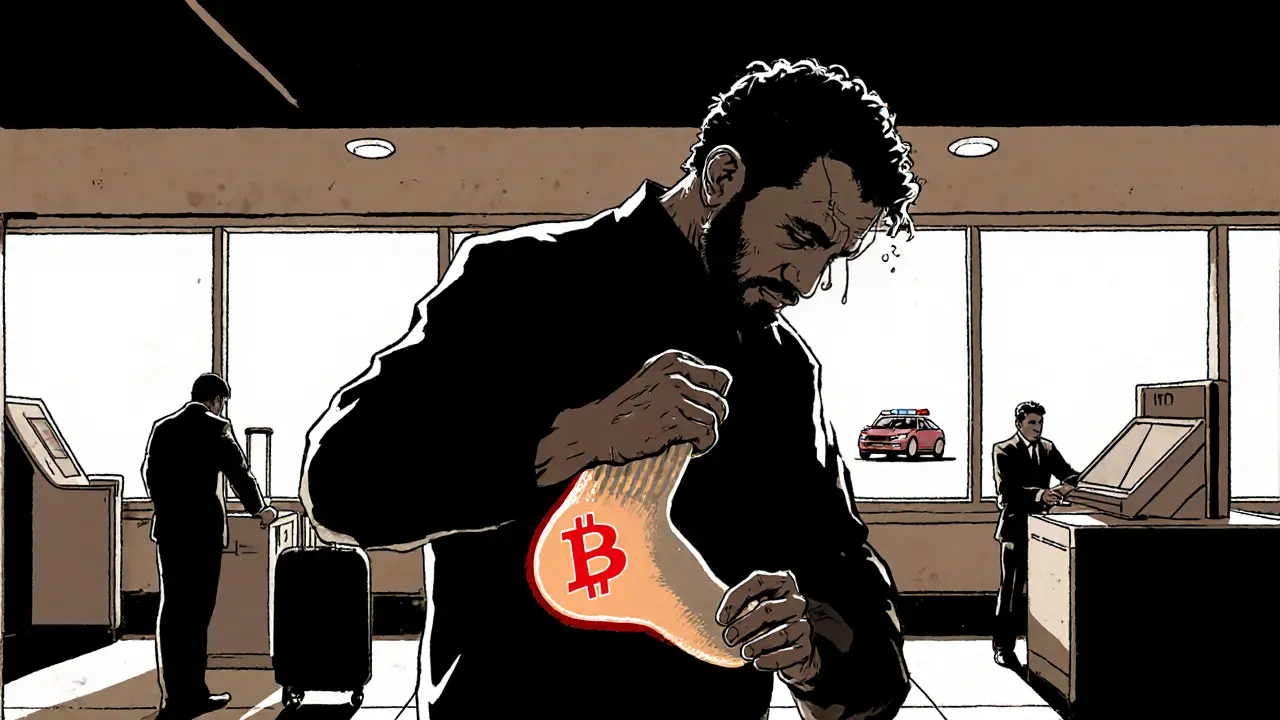
Tunisia bans all cryptocurrency activity with penalties including up to five years in prison. Learn what's illegal, how enforcement works, and the real risks for traders and holders in 2025.