Crypto Laws: What’s Legal, Illegal, and How It Affects You
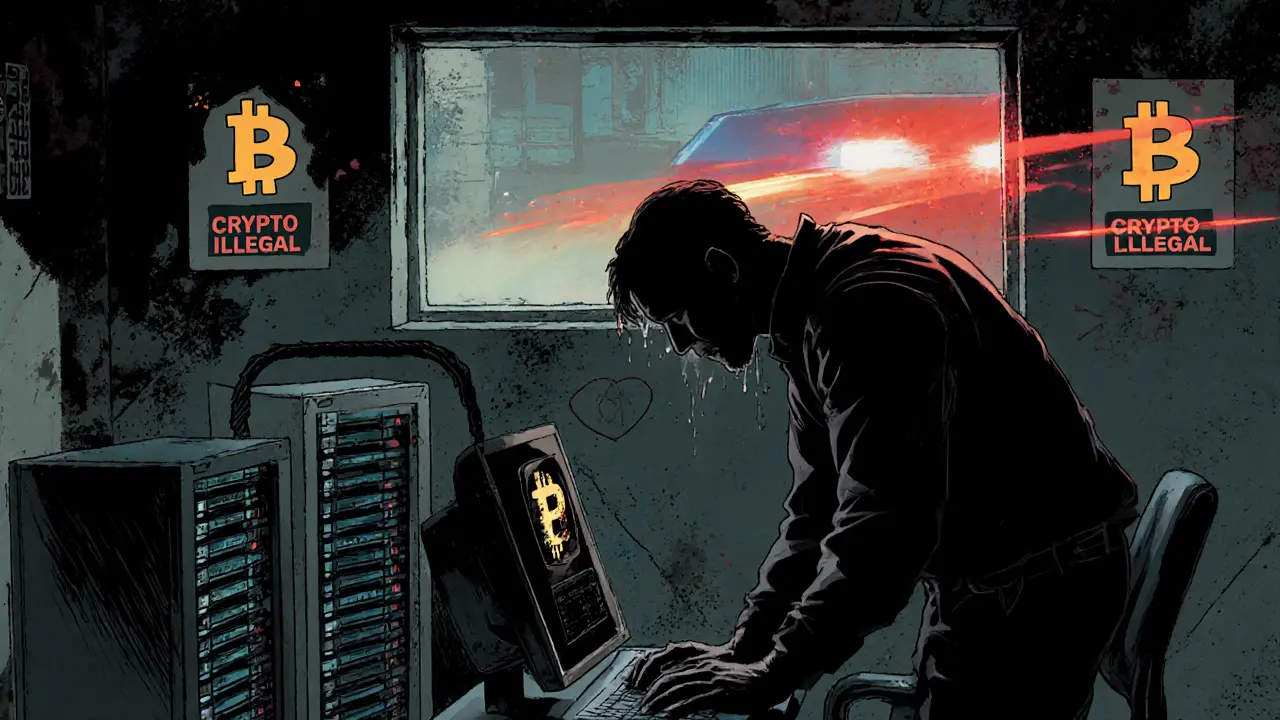
When you hold or trade cryptocurrency, digital assets that operate outside traditional banking systems. Also known as crypto, it enables peer-to-peer transactions but comes with legal risks depending on where you live. Unlike stocks or bank accounts, crypto isn’t governed by one global rulebook. Instead, crypto laws, national regulations that define how digital assets can be used, taxed, or banned differ drastically—from total bans to full licensing systems. These rules don’t just affect exchanges; they directly impact your wallet, your taxes, and even your freedom.
Take BitLicense, New York’s strict crypto licensing program run by the state’s financial regulator. If you run a crypto business in New York, you need it—or you can’t operate. But if you’re just holding Bitcoin in your wallet? You don’t need one. Still, the KYC compliance, the process of verifying user identity to prevent money laundering and fraud requirements tied to exchanges mean you’ll likely have to hand over your ID, proof of address, and sometimes even selfies. That’s not optional. And if you’re using foreign exchanges like Cryptonex or Thore Exchange—platforms with no clear regulatory oversight—you’re already skating on thin ice. In places like Tunisia or Egypt, simply owning crypto can land you in jail. Law No. 194/2020 in Egypt and Tunisia’s outright ban aren’t theoretical threats. People are being prosecuted.
Then there’s the U.S. side of things. If you hold crypto on a foreign exchange and your account value hits $10,000 at any point in the year, you’re legally required to file an FBAR, a report to the U.S. Treasury about foreign financial accounts. Skip it, and you could face $100,000 in penalties. This isn’t about tax evasion—it’s about disclosure. Meanwhile, countries like Japan and the U.S. are building frameworks that treat crypto like securities or payment tools, forcing exchanges like INX to get licensed. That’s why some platforms shut down (like Nanex) and others stay quiet (like Ebi.xyz). The difference between a safe platform and a risky one often comes down to one thing: does it follow the law?
What you’ll find below aren’t just reviews of exchanges or airdrops. These are real stories of people who got caught, platforms that vanished, and rules that changed overnight. From the rise and fall of niche coins like Titcoin to the crackdowns in North Africa, every post here shows how crypto laws aren’t just paperwork—they’re the line between keeping your assets and losing your freedom. Read on. What you learn might save your portfolio.