Legal Risks for Tunisian Crypto Users and Traders in 2025
Tunisia bans all cryptocurrency activity with penalties including up to five years in prison. Learn what's illegal, how enforcement works, and the real risks for traders and holders in 2025.

When it comes to Central Bank of Tunisia crypto, the official financial authority that controls monetary policy and currency issuance in Tunisia. Also known as Banque Centrale de Tunisie, it has taken a firm stance against private cryptocurrencies like Bitcoin and Ethereum, declaring them illegal for payments and trading within the country. Unlike some African nations that are testing digital currencies, Tunisia’s central bank has chosen outright prohibition under Law No. 194/2020 — the same law Egypt later used to ban crypto. This isn’t just a warning; it’s enforced with fines and legal action against exchanges and individuals who facilitate crypto transactions.
But here’s the twist: while crypto, decentralized digital assets like Bitcoin, Dogecoin, or any token not issued by a government. Also known as virtual currency, it is banned for public use, the government quietly supports blockchain technology, a secure, transparent digital ledger system used to record transactions without a central authority. Also known as distributed ledger, it is being tested for public records and customs documentation. This isn’t a contradiction — it’s a strategy. The bank wants control. It doesn’t trust decentralized money, but it sees value in the underlying tech for reducing fraud and speeding up bureaucracy. That’s why you’ll find blockchain pilots in land registries and tax systems, while your Telegram crypto group gets shut down.
For Tunisians, this means two things: you can’t legally buy Bitcoin on Binance or send USDT to a friend, but you can still use blockchain-based tools if your employer or the government offers them. If you’re holding crypto, you’re doing it at your own risk — no legal recourse, no consumer protection, and no official support. Meanwhile, regulators are watching foreign exchanges that serve Tunisian IPs, and they’ve blocked dozens of sites. The central bank digital currency, a government-issued digital version of the national currency, controlled entirely by the central bank. Also known as CBDC, it’s the only digital money the state approves is still in early development, but it’s the future they’re betting on. That’s why they’re shutting down the wild west — they’re building their own walled garden.
What you’ll find in the posts below are real-world examples of how countries like Tunisia, Egypt, and others handle crypto bans, what happens when people ignore them, and how blockchain still sneaks into official systems despite the restrictions. You’ll see how regulations shape user behavior, how enforcement works in practice, and why some governments are willing to ban crypto while quietly adopting its tech. This isn’t about speculation or getting rich — it’s about survival, legality, and understanding the rules that actually matter where you live.
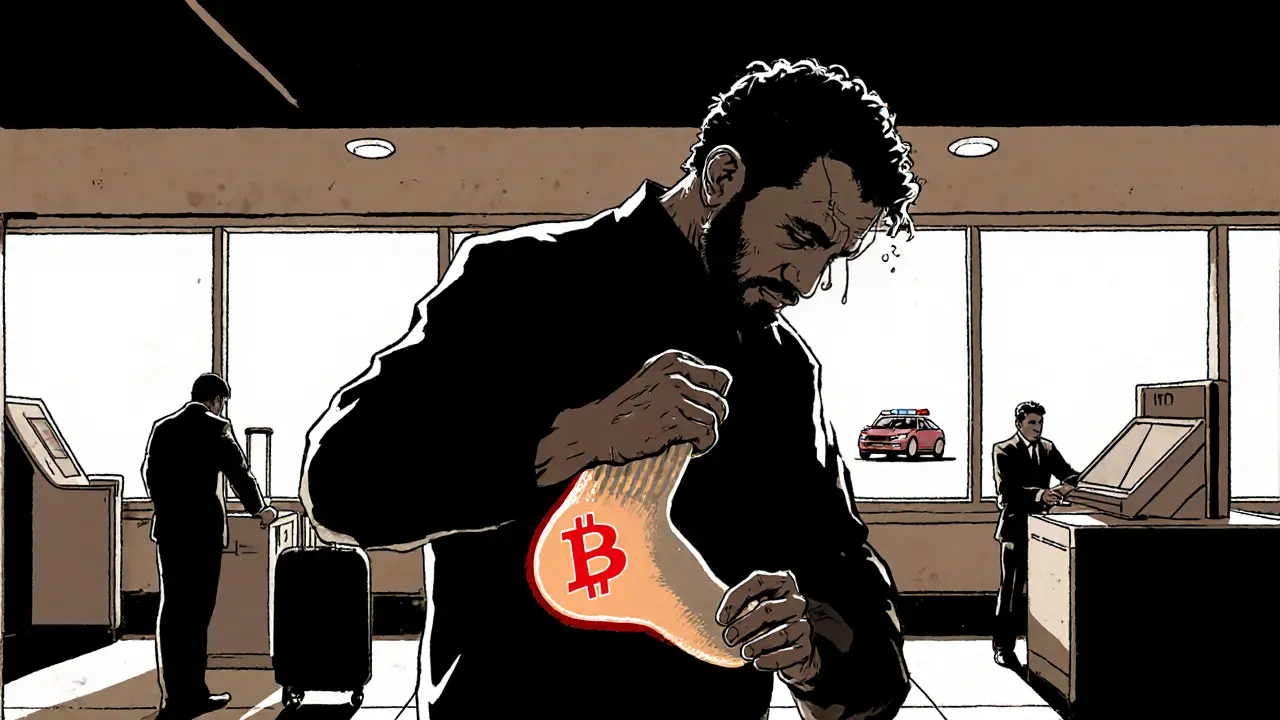
Tunisia bans all cryptocurrency activity with penalties including up to five years in prison. Learn what's illegal, how enforcement works, and the real risks for traders and holders in 2025.