
Tokenomics Design Simulator
Simulate Your Token Design
Enter parameters to see how your tokenomics design impacts supply, value, and platform sustainability
Most people think crypto tokens are just digital money. But if you look closer, the real magic isn’t in the numbers on a screen-it’s in the platform token economics behind them. Tokens don’t have value because they’re scarce. They have value because they’re designed to make people act in ways that grow the platform. This isn’t theory. It’s how Binance grew its market cap 4,800% in six years, how Ethereum cut its supply growth by 90%, and why 87% of failed projects collapsed not from hacking, but from broken incentives.
Why Tokens Work Better Than Traditional Rewards
Think about how companies used to keep users loyal. Loyalty points. Discount cards. Free coffee after ten purchases. These work, but they’re clunky. You need to carry a card. Remember to scan it. The reward feels disconnected from the experience. Blockchain tokens fix that. They turn participation into ownership. Every time you use a decentralized exchange, stake your coins, or vote on a proposal, you’re not just a customer-you’re a shareholder. And that changes behavior. On Uniswap, users didn’t just trade-they held UNI tokens because they knew their voting power grew with their stake. By Q2 2024, Uniswap had seen over $1.2 trillion in trading volume, mostly driven by users who had skin in the game. This isn’t marketing. It’s economics. Tokens create feedback loops. More users → more transactions → more fees → more token burns → higher scarcity → higher price → more users. It’s self-reinforcing. And it only works if the rules are clear, fair, and enforced by code-not corporate policy.Single-Token vs. Dual-Token Systems: Simplicity vs. Control
There are two main ways platforms design their token systems: single-token and dual-token. Single-token systems, like Bitcoin or Solana, use one token for everything: buying services, securing the network, storing value. Simple. Easy to understand. But they run into problems. Bitcoin’s transaction fees spiked to $55 during peak demand in 2017 because the same token had to handle both value storage and payment. People hoarded it as digital gold, making it useless for everyday transactions. Dual-token systems solve this by splitting roles. Take VeChain. VET is the store-of-value token. You hold it long-term. VTHO is the utility token. You use it to pay for transactions on the network. This separation means users don’t have to sell their long-term holdings just to send a data record. VeChain reported 40% higher user engagement in 2023 than comparable single-token platforms. But there’s a cost. Dual-token systems confuse new users. Ontology found that 22% of new users failed to onboard successfully because they didn’t understand why they needed two tokens. If you’re building a platform for non-crypto natives-like supply chain managers or healthcare providers-that friction matters.How Tokens Stay Valuable: Burning, Staking, and Supply Control
Tokens don’t hold value because they’re rare. They hold value because their supply is actively managed. Burning is the most powerful tool. When a platform burns tokens, it removes them from circulation forever. Binance burns BNB quarterly-16.5% of its total supply vanished between 2017 and 2023. That’s not just a PR stunt. It’s a commitment. Users saw it and trusted that Binance wasn’t just printing more tokens to fund its operations. Ethereum went further. With EIP-1559, it burns the base fee on every transaction. During high activity, more tokens are burned than created. That’s deflationary. In 2022, Ethereum went deflationary for over 200 days straight. Stakers noticed. Participation jumped 37% in a year. Staking is another lever. You lock up your tokens to help secure the network, and you get rewarded. But if too many tokens are staked, the network gets slow. If too few, it’s insecure. Platforms like Cardano use saturation limits to prevent any single pool from getting too big. Solana offers fee discounts to stakers, encouraging long-term holding without hurting transaction speed.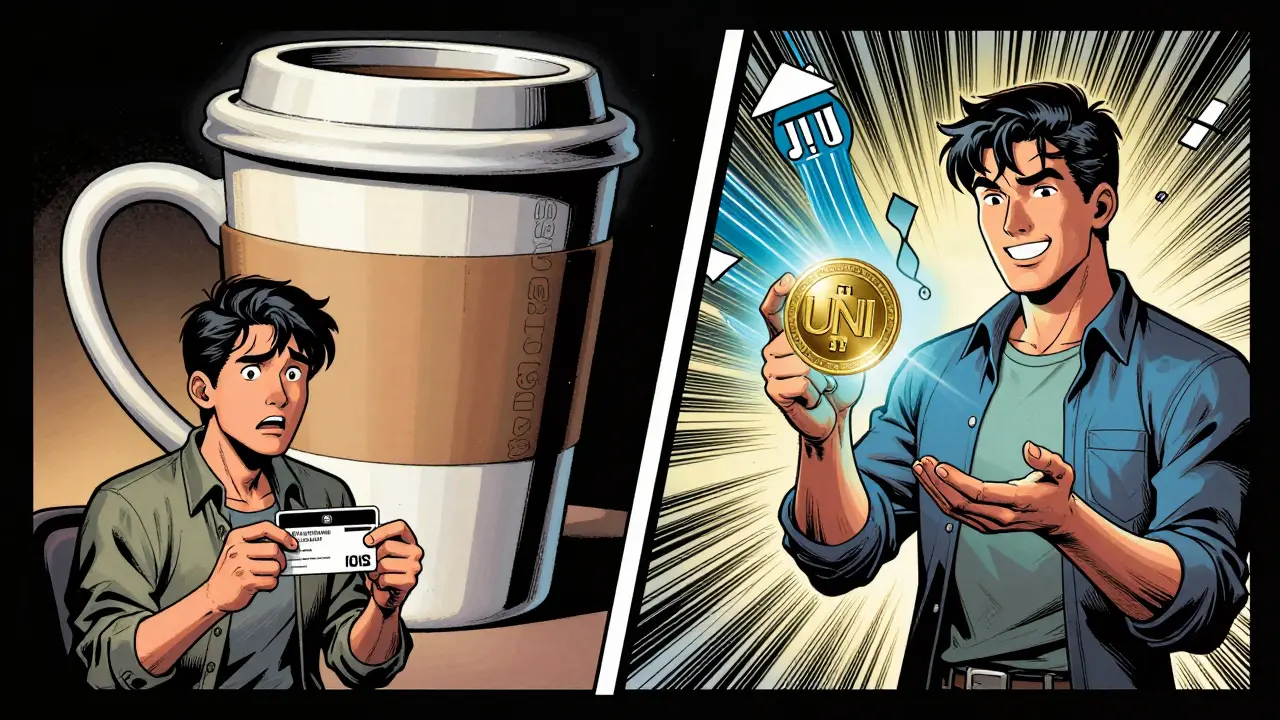
Why Most Token Projects Fail
It’s not the tech. It’s the economics. The 2022 collapse of Iron Finance’s TITAN token is a textbook case. The token promised 100% APY. It paid out by minting new tokens and selling them. When demand slowed, the system couldn’t sustain itself. The price crashed from $60 to near zero in 24 hours. Users lost $200 million. Why? No real utility. No burn mechanism. No alignment between incentives and sustainability. The same thing happened to Ampleforth in 2021. Its token was supposed to “rebase”-expand or contract supply daily to keep the price stable. But the algorithm didn’t account for panic selling. When the price dropped, the supply shrank, making each remaining token more expensive. That triggered more selling. The cycle collapsed. The pattern is always the same: too many tokens issued too fast. No way to remove them. No real use case. Just hype. Messari’s 2024 report found that platforms with buyback and burn mechanisms outperformed those without by 27.3% annually from 2020 to 2023. That’s not a coincidence. It’s math.Enterprise Adoption: Why Big Companies Are Still Hesitant
Fortune 500 companies are watching. 57% are experimenting with token-based incentives. But only 12% have rolled them out. Why? Because tokenomics clashes with old systems. HR departments don’t know how to pay employees in tokens. Legal teams worry about securities laws. Finance teams can’t reconcile token values with GAAP accounting. Deloitte’s 2023 survey found that 68% of large firms struggle to integrate tokens into existing payroll or bonus structures. There’s also regulatory fear. The SEC filed 27 enforcement actions against unregistered token offerings in 2023-up from just 3 in 2018. The Howey Test still governs whether a token is a security. If users expect profit from the efforts of others, it’s likely a security. That’s why governance tokens like UNI or MKR are under more scrutiny than utility tokens like LINK. Still, progress is happening. JPMorgan’s Onyx platform now handles $50 billion in tokenized assets-Treasury bonds, private equity, even real estate. These aren’t crypto-native projects. They’re traditional finance with blockchain efficiency. And they need new tokenomics models that bridge Wall Street and Web3.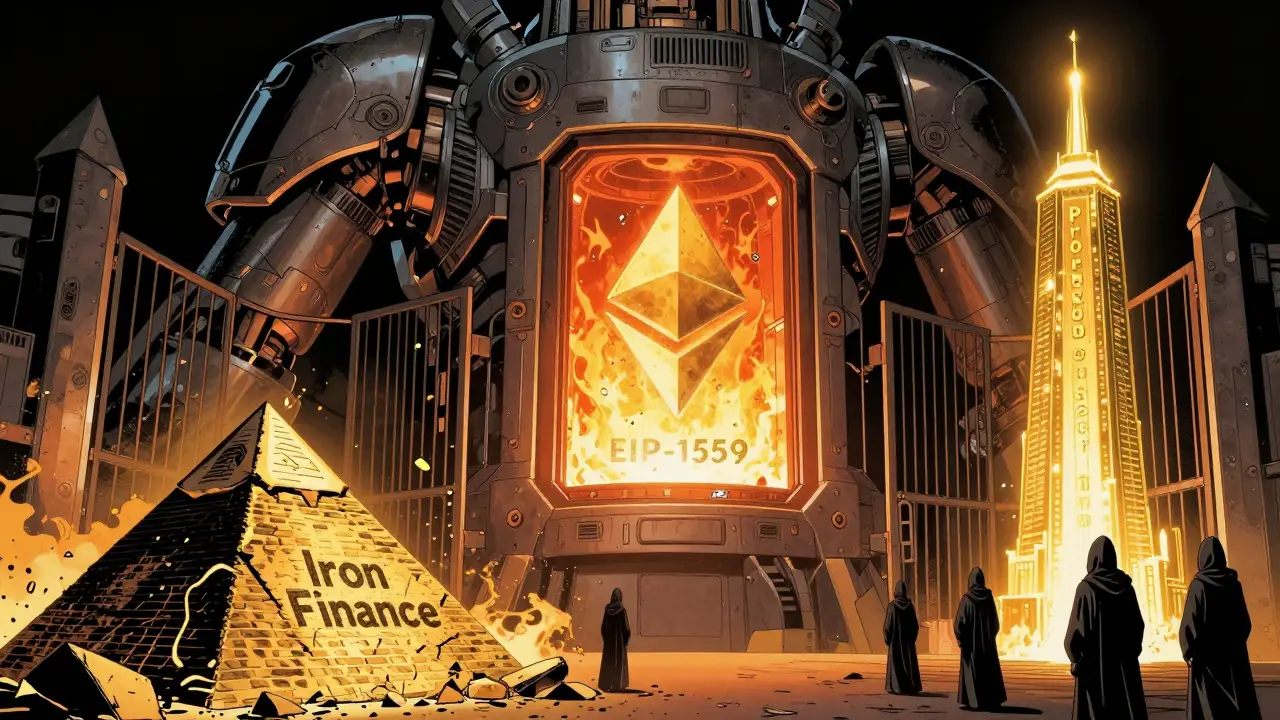
What Makes a Token Design Successful?
A great token design isn’t flashy. It’s quiet. It works in the background. Here’s what separates winners from losers:- Transparent supply schedule: Users trust platforms that publish their token issuance and burn plans. Reddit analysis shows 43% higher retention when schedules are public.
- Real utility: Tokens must be required to use the platform. If you can use it without the token, the token has no value.
- Controlled inflation: New tokens should be tied to growth. If the platform adds 10% more users, maybe issue 5% more tokens-not 50%.
- Strong sinks: Burning, staking, or usage fees must remove tokens at a rate that matches or exceeds issuance.
- Alignment of incentives: Platform owners shouldn’t be able to dump tokens on users. If founders hold 30% of supply and can sell anytime, users will leave.
The Future: What’s Next for Token Economics?
The next big shift is real-world asset (RWA) tokenization. Imagine a $10 million commercial building split into 10,000 tokens. Each token represents 0.01% ownership. Rent flows to token holders. Taxes are paid automatically. This isn’t sci-fi. JPMorgan, BlackRock, and others are already testing it. But RWA tokenomics is harder. You need legal compliance, fiat on-ramps, and custody solutions. Tokens must reflect real-world rights-dividends, voting, redemption. That means new models, not just copied crypto templates. Ethereum’s Prague upgrade in late 2024 will let validators stake up to 2 million ETH per node. That could reduce issuance further. Solana’s dynamic fee burning adjusts token removal based on network load. These aren’t tweaks. They’re evolution. The Bank for International Settlements warns that 43% of current token models lack sustainable value capture. That’s a wake-up call. The next decade won’t be about more tokens. It’ll be about better ones.Final Thought: Value Comes from Alignment, Not Hype
Token economics isn’t about pumping a price. It’s about designing systems where everyone wins when the platform grows. Users get better services. Contributors get paid. Owners get rewarded. And the token? It becomes the glue holding it all together. The platforms that last won’t be the ones with the flashiest whitepapers. They’ll be the ones with the quietest, most reliable economic engines. The ones that burn more than they print. That reward more than they promise. That align incentives so perfectly, users don’t even notice they’re being incentivized. That’s the real value of platform token economics. Not in the chart. Not in the ticker. In the system.What is the main purpose of platform token economics?
The main purpose is to align incentives between platform owners, users, and contributors by using tokens as a tool to reward behavior that grows the platform. Tokens aren’t just currency-they’re governance rights, payment methods, and ownership stakes rolled into one. When designed well, they create self-reinforcing cycles: more usage leads to higher demand, which increases token value, which attracts more users and developers.
Can a token have value without being used in transactions?
No, not sustainably. A token that only exists as a speculative asset-like a digital collectible with no function-will eventually collapse. Real value comes from utility. If you can’t use the token to pay for services, vote on decisions, or secure the network, then its price is based purely on hope. History shows those projects fail. Uniswap’s UNI token works because you need it to earn trading fees and vote on protocol changes. Bitcoin works because it’s used as both a store of value and a settlement layer. Tokens without use cases are just numbers on a screen.
How do token burns increase value?
Token burns reduce the total supply, making each remaining token scarcer. If demand stays the same or grows while supply shrinks, the price tends to rise. Binance’s quarterly BNB burns removed 16.5% of supply from 2017 to 2023, helping its market cap grow over 4,800%. Ethereum’s EIP-1559 burns base fees during high network activity, sometimes making the network deflationary. Burns aren’t magic-they’re a signal. They show users the platform is serious about controlling supply and protecting value.
Why do some platforms use two tokens instead of one?
Dual-token systems separate store-of-value from utility. One token (like VET on VeChain) is held long-term for value. The other (VTHO) is used to pay for transactions. This prevents users from having to sell their long-term holdings just to use the platform. It also lets the platform fine-tune pricing-like adjusting VTHO generation rates without affecting VET’s scarcity. The trade-off is complexity: 22% more new users fail to onboard on dual-token platforms, according to Ontology’s data.
Are tokenomics regulated by governments?
Yes, increasingly. The SEC uses the Howey Test to determine if a token is a security. If buyers expect profits from the efforts of others, it’s likely a security-and must be registered. In 2023, the SEC filed 27 enforcement actions against unregistered token sales, up from just 3 in 2018. Projects now design tokenomics with jurisdiction in mind. Some create separate token models for the U.S. and Europe to comply with different rules. Ignoring regulation is no longer an option.
What’s the biggest mistake in token design?
The biggest mistake is issuing too many tokens too fast without a plan to remove them. The 2018 EOS launch issued 1 billion tokens in the first year, with no burn mechanism. The price dropped 73% within months. Similarly, Ampleforth’s rebasing mechanism tried to stabilize price by changing supply daily, but it triggered panic selling during downturns. The lesson? Control supply like a central bank, not a lottery. Always have a sink-burning, staking, or usage fees-to match issuance.
Can tokenomics work for traditional businesses?
Yes, but it requires rethinking incentives. JPMorgan’s Onyx platform tokenized $50 billion in assets like bonds and real estate, using tokens to represent ownership and automate payouts. The key difference? These tokens are backed by real assets and comply with financial regulations. They don’t rely on speculation. Instead, they use blockchain for efficiency, transparency, and automated compliance. For traditional businesses, tokenomics isn’t about crypto hype-it’s about better accounting, faster settlement, and aligned incentives between partners.
Ike McMahon
December 11, 2025 AT 13:15Tokens aren't money-they're alignment tools. If you're not designing incentives that make users want the platform to succeed, you're just printing digital confetti.
Simple as that.
Albert Chau
December 12, 2025 AT 17:52Everyone talks about burns like they're magic bullets. But if your token has zero utility, burning 90% of it just makes the remaining 10% a bigger joke. Seen it a dozen times.
Tokenomics without utility is just financial astrology.
Madison Surface
December 14, 2025 AT 06:07Okay but imagine this: what if your grocery store paid you in tokens every time you brought your own bag? Not points. Actual tokens you could trade or stake. You'd never forget your bag again. And maybe you'd start voting on which produce gets organic funding.
That's the real power-when the system feels alive, not like a loyalty card from 2003.
I've seen people get emotional about staking rewards. Not because they want to get rich, but because they feel like they belong. That's the magic.
It’s not about the price chart. It’s about the feeling of being part of something that grows with you.
JoAnne Geigner
December 15, 2025 AT 10:15I’ve spent years studying incentive structures in decentralized systems, and what strikes me most is how rarely projects actually *measure* the behavioral outcomes of their token designs.
It’s not enough to say ‘we burn tokens’-you need to track whether user retention increases, whether transaction frequency stabilizes, whether new contributors join because they believe in the model, not just the pump.
Most teams treat tokenomics like a black box, but it’s a living ecosystem. You need telemetry. You need feedback loops. You need humility.
And yet, 80% of DAOs I’ve reviewed don’t even publish quarterly incentive metrics. How can you optimize what you don’t measure?
It’s like running a business without accounting.
And yes, I’ve seen dual-token systems work beautifully-when the onboarding is designed for humans, not engineers.
VeChain’s model is elegant, but only because they hired UX designers who spoke to supply chain managers, not crypto bros.
Token design is not a technical problem. It’s a psychological one.
Anselmo Buffet
December 16, 2025 AT 02:22Been in this space since 2017. Seen the hype cycles. The real winners are the ones that just quietly do their thing.
Don’t need a whitepaper. Don’t need a coin flip. Just build something useful and let the tokens follow.
That’s it.
Joey Cacace
December 17, 2025 AT 03:19Thank you for this exceptionally well-researched and thoughtfully articulated exposition on platform token economics. It is refreshing to encounter a piece that avoids the typical speculative hyperbole and instead focuses on the underlying mechanisms that foster sustainable value creation.
Indeed, the alignment of incentives through cryptographic enforcement represents a paradigm shift in digital governance.
I am particularly impressed by the empirical data presented regarding burn mechanisms and their correlation with long-term market performance.
One might argue that this constitutes a new discipline-behavioral tokenomics-merging economics, behavioral psychology, and distributed systems theory.
Bravo.
Taylor Fallon
December 19, 2025 AT 02:40so like… tokens are like… if your favorite coffee shop gave you a share of the business every time you bought a latte?
and then you could vote on whether they start selling oat milk?
and if you hold enough, you get a cut of the profits?
and if they sell too many lattes, the coffee beans get more expensive because they burn the tokens?
…i think i get it.
and it’s kinda beautiful.
not because it’s gonna make me rich.
but because it makes me feel like i’m part of something.
not just a customer.
like… a co-owner.
that’s the part no one talks about.
it’s not about the price.
it’s about belonging.
❤️
Vidhi Kotak
December 20, 2025 AT 19:39From India, I’ve seen token models fail because they assume everyone has a wallet. But most people here still use UPI. If your system needs 3 steps to buy a token, you’ve already lost.
Utility first. Simplicity second. Token third.
Build for the 90%, not the 10% who already know what a mnemonic phrase is.
Kim Throne
December 21, 2025 AT 09:33One critical oversight in most analyses: the role of external macroeconomic conditions. During periods of quantitative tightening, even the most elegantly designed token systems experience capital flight. The burn rate becomes irrelevant if demand collapses due to interest rate hikes.
Tokenomics cannot exist in a vacuum. It must be modeled alongside monetary policy, liquidity cycles, and risk sentiment.
Many projects fail not because of poor design-but because they ignored the broader financial ecosystem.
Sue Gallaher
December 23, 2025 AT 06:32Let me tell you something about this crypto nonsense
It's all just digital gambling dressed up as economics
And now you want to give people shares in companies using blockchain?
Next thing you know, grandma's Social Security is paid in tokens
Get real
Jeremy Eugene
December 24, 2025 AT 09:21While the theoretical framework presented is compelling, one must consider the legal and fiduciary implications for institutional adoption.
Securities regulations, tax treatment, and accounting standards remain largely incompatible with decentralized token structures.
Until these macro-level systemic barriers are addressed, token-based incentives will remain confined to niche applications.
Regulatory clarity, not innovation, is the true bottleneck.
Kathy Wood
December 25, 2025 AT 04:46THIS IS WHY WE CAN’T HAVE NICE THINGS.
People are so obsessed with ‘tokenomics’ they forget that 99% of users just want an app that works.
Now we have to learn what VET and VTHO are?
And burn rates?
And staking saturation limits?
Who asked for this?
Why is everything so complicated?
Can’t we just have a good product?
Why does every startup think they need a token?
It’s not a feature. It’s a liability.
And now we’re teaching kids about token burns in school?
WHAT IS HAPPENING TO OUR WORLD.
STOP.
Stanley Machuki
December 25, 2025 AT 08:53Token burns aren’t magic. They’re math.
But the real win? When users don’t even think about the token.
They just use the app.
And the token quietly does its job.
That’s the quiet kind of genius.
Most projects scream about their token.
The good ones don’t mention it at all.
Lynne Kuper
December 26, 2025 AT 15:37Oh wow, another article that treats token burns like a sacred ritual.
Let me guess-next you’ll tell me that Ethereum’s deflationary model is ‘proof of intelligence’?
Meanwhile, 80% of tokens that burn are just delaying death with a band-aid.
And the people who built them? They sold their bags before the burn started.
So yeah, the math looks good.
But the humans? Still getting played.
Tokenomics without accountability is just financial theater.
Lloyd Cooke
December 26, 2025 AT 22:54One must contemplate the ontological weight of the token as a semiotic object-its value derived not from scarcity, but from the collective mythos of its community.
It is not the burn that confers value, but the belief in the burn.
Like money in a fiat system, the token is a shared hallucination, rendered tangible through code.
And yet… is this not the very essence of human civilization?
We build empires on stories.
And now, we build economies on smart contracts.
How poetic.
How terrifying.
How profoundly human.
Kurt Chambers
December 27, 2025 AT 10:50lol american crypto bros think they invented economics
in russia we had hyperinflation in the 90s and people used cigarettes as currency
you think burning tokens is deep?
try trading a pack of kent for a loaf of bread when your ruble is worth nothing
tokens are just new shiny toys for rich guys who got bored of yachts
and now they wanna ‘govern’ the internet
with their fucking tokens
get a life
John Sebastian
December 27, 2025 AT 16:20Why do we assume that aligning incentives is always good?
What if the incentive is to exploit the system?
What if users game the burns?
What if staking becomes a form of rent-seeking?
We celebrate alignment without asking: aligned to what?
Aligned to growth?
Aligned to profit?
Aligned to the founders?
Tokenomics doesn’t solve human nature.
It just gives it a new playground.
Jessica Eacker
December 27, 2025 AT 17:50Love this breakdown.
Especially the part about dual tokens.
I’ve worked with teams that tried to force a single token into everything.
It’s like trying to use a hammer for surgery.
Separating value from utility? Genius.
But the onboarding? That’s the real challenge.
Don’t just build the system.
Build the education.
Build the patience.
Build the empathy.
That’s the real tokenomics.
Andy Walton
December 28, 2025 AT 09:33okay so like… i get it.
tokens = ownership.
burns = scarcity.
stake = security.
but…
what if i just… don’t care?
what if i just want to use the app?
why do i have to learn all this?
why does everything have to be a ‘system’?
why can’t i just… be a customer?
and also…
my dog ate my private key.
so… yeah.
bye.
❤️🔥