
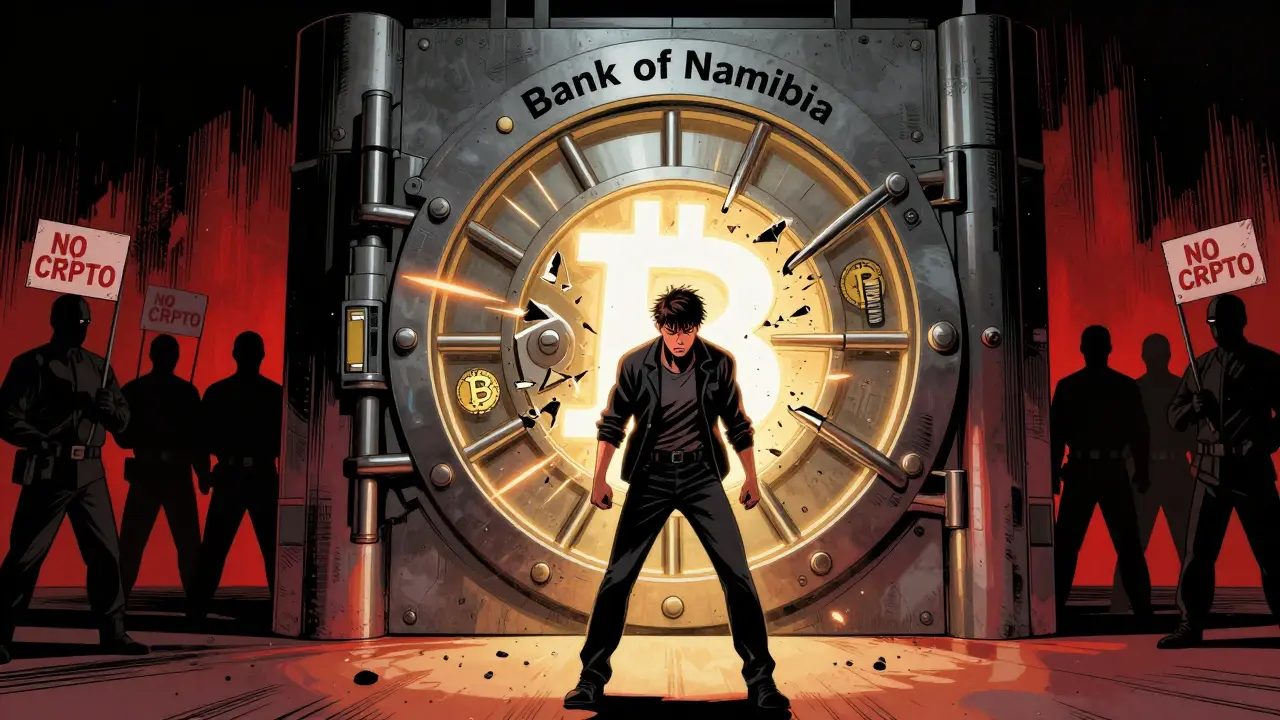
As of 2026, if you're trying to use cryptocurrency in Namibia, you're walking through a legal gray zone that looks more like a maze than a path. The Bank of Namibia doesn't recognize Bitcoin or any other digital currency as legal tender. But at the same time, three companies have been given provisional licenses to operate as crypto service providers. So what’s really allowed? And why are people still getting their bank accounts frozen?
Why the Bank of Namibia Says No to Crypto
In May 2018, the Bank of Namibia (BON) made it clear: cryptocurrencies aren’t welcome. They issued a public statement saying crypto isn’t legal tender, isn’t backed by the government, and anyone who loses money on it has no one to turn to. That wasn’t just a warning-it was a wall. Banks were told not to facilitate crypto transactions, and individuals who tried to trade or pay with Bitcoin found themselves blocked from using their accounts at major banks like NedBank and Standard Bank. The reasoning was simple: no oversight, no protection, no accountability. The central bank didn’t want to be responsible for losses from unregulated, volatile assets. They also feared money laundering and fraud. At the time, crypto was still seen as a wild west-something that belonged on the fringes of finance, not inside the system.The Shift: From Ban to Controlled Licensing
Things started changing in 2022. The Bank of Namibia quietly softened its tone. While still refusing to call Bitcoin legal tender, they acknowledged that merchants could accept it as payment-if they wanted to. No law backed it, but no law banned it either. That created confusion. Was it legal? Was it safe? No one knew for sure. Then came June 2023. The Namibian National Assembly passed the Virtual Assets Act of 2023 (Act No. 10 of 2023). This wasn’t just a tweak. It was a full regulatory overhaul. For the first time, digital assets were formally recognized under Namibian law-but only if they followed strict rules. Under this law, anyone offering crypto services-exchanges, wallet providers, payment processors-must register with the Namibia Financial Institutions Supervisory Authority (NAMFISA). They need to prove they have:- A physical office in Namibia
- Proper anti-money laundering (AML) systems
- Staff trained in compliance
- Real-time transaction monitoring
- Full records of every user’s identity
The Provisional License Trap
In January 2025, the Bank of Namibia granted provisional licenses to three companies: Landifa Bitcoin Trade CC, United PayPoint (Pty) Ltd, and Mindex Virtual Asset Exchange. Sounds like progress, right? Not quite. These companies aren’t allowed to serve any customers-not yet. They’re stuck in a regulatory sandbox. For six months, they can’t trade, can’t onboard users, can’t even advertise. Their only job is to prove they can meet every single requirement under the Virtual Assets Act. Even worse, the clock keeps ticking. Two of the three companies asked for extensions. Landifa got until July 31, 2025. United PayPoint got until May 13, 2025. Mindex got pushed out to November 21, 2025. The bank hasn’t said why they’re taking so long, but insiders say it’s because they’re auditing every line of code, every employee’s background, and every security protocol. And here’s the catch: even if they pass the six-month review, they still need final approval. The Bank of Namibia holds all the cards. They can approve. They can reject. Or they can ask for more changes-and start the clock again.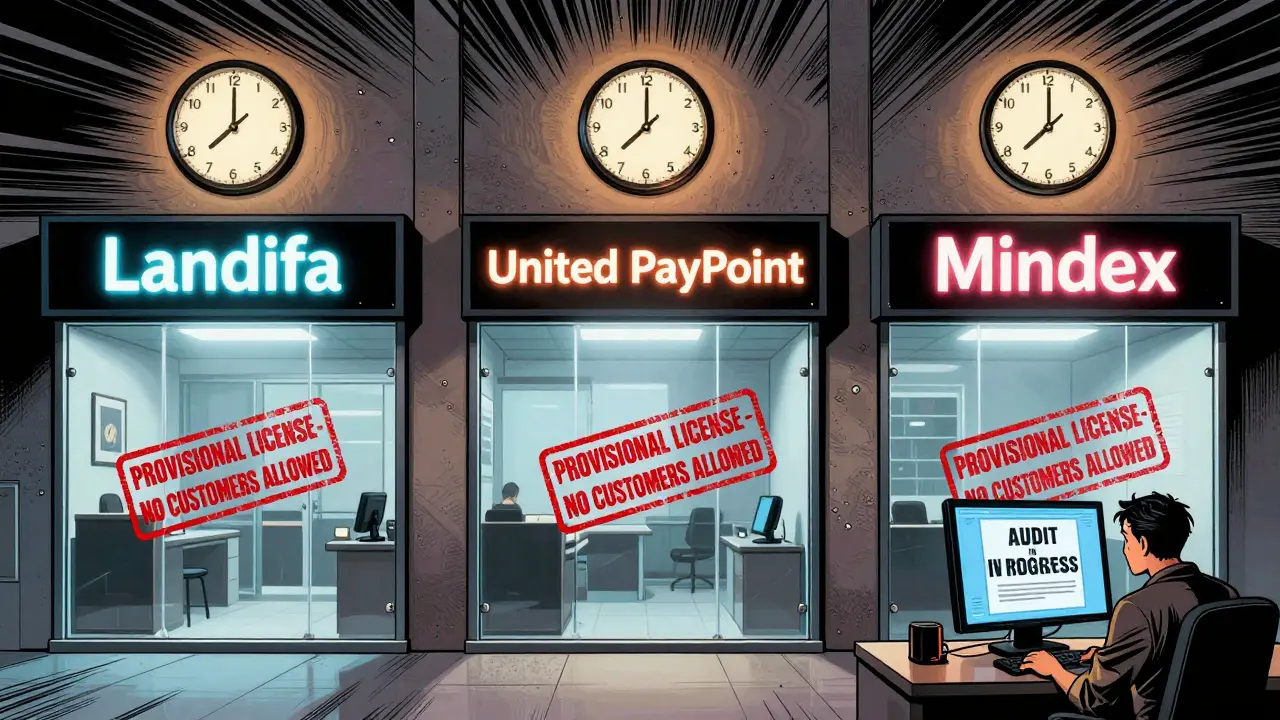
The Travel Rule: Tracking Every Big Transaction
One of the most strict parts of the new law is the Travel Rule. If you send or receive more than NAD 20,000 (about USD 1,000) in crypto, the service provider must collect and share your full identity details with the recipient’s provider. That includes:- Full legal name
- Identity document number (passport or national ID)
- Residential address
- Account or wallet number
Why Your Bank Account Might Get Frozen
Even if you’re not using a licensed exchange, you’re still at risk. There are documented cases of individuals being locked out of their personal bank accounts simply because they joined a crypto investment group or bought Bitcoin through a peer-to-peer platform. Legal experts say this is a problem. The Bank of Namibia doesn’t have the legal power to ban individuals from trading crypto. But they’re using their control over the banking system to enforce their stance anyway. If a bank sees a pattern of crypto-related transfers-even small ones-they can freeze the account under “suspicious activity” rules. That’s created fear. People who just want to hold Bitcoin as a long-term investment are now afraid to even check their wallet balances online. Some have switched to cash-based crypto trades to avoid detection. Others have stopped using Namibian banks entirely and moved their funds overseas.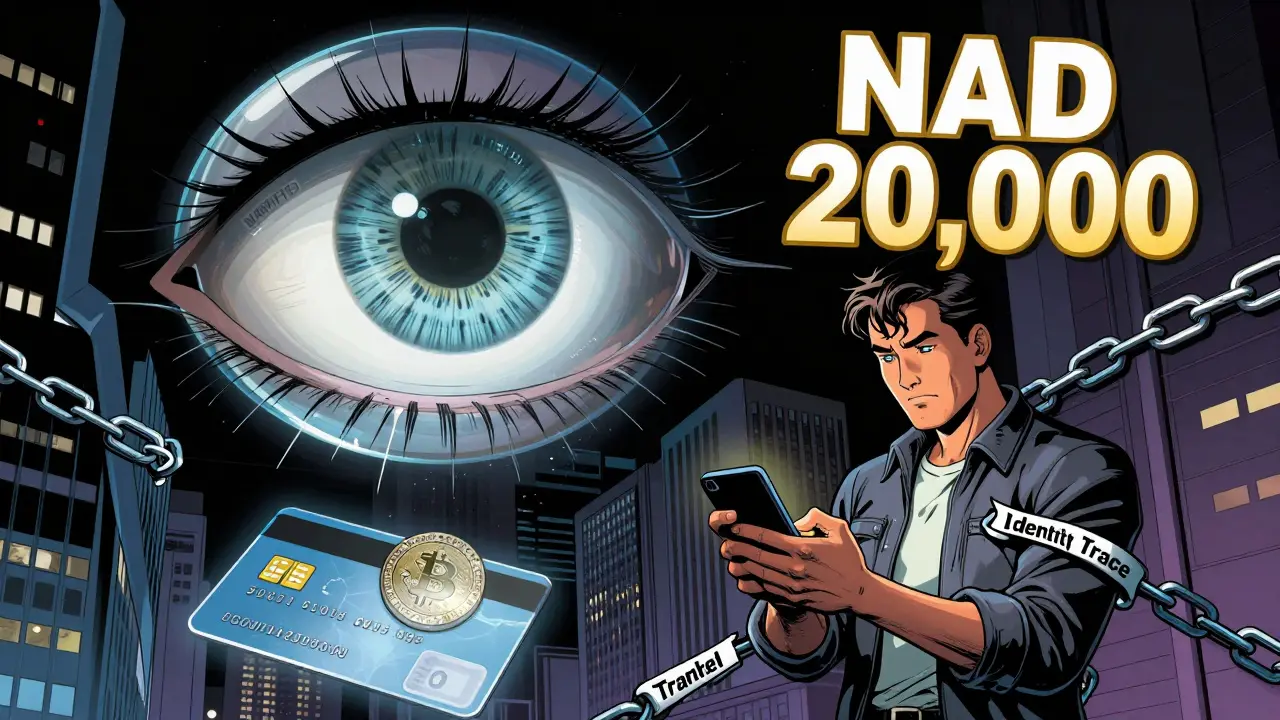
Is Crypto Trading Legal in Namibia? The Paradox
Here’s the biggest contradiction: the government created a licensing system for crypto businesses… but still says crypto trading is illegal for the public. The Bank of Namibia continues to publicly state: “We do not recognize cryptocurrencies as legal tender.” They still refuse to allow blockchain technology to be used in mainstream finance. Meanwhile, the Virtual Assets Act gives legal standing to companies that facilitate crypto transactions. It’s like allowing a restaurant to serve steak, but telling customers they can’t eat it. The law enables businesses to operate-but doesn’t give individuals the right to use their services freely. This inconsistency is why many Namibians feel trapped. You can’t legally trade crypto. But if you do, you risk losing your bank account. And if you try to start a business to help people trade, you’re stuck in a six-month limbo with no guarantee you’ll ever get approved.What’s Next for Crypto in Namibia?
As of October 2025, the future is still unclear. The provisional license holders are still waiting. No new applicants have been approved. And the central bank hasn’t signaled when-or if-they’ll open the market to the public. But one thing is certain: Namibia is not going back to a full ban. The Virtual Assets Act is too far along for that. The real question is whether they’ll ever let ordinary people trade crypto without fear of punishment. For now, the only safe path is to wait. If you’re a business, focus on compliance. If you’re a user, tread carefully. And if you’re hoping for a clear answer? You might have to wait until late 2026-or longer.What’s happening in Namibia isn’t unique. Countries like South Africa, Kenya, and Nigeria are wrestling with the same tension: how to control crypto without killing innovation. But Namibia’s approach-strict licensing, no public access, bank account crackdowns-is one of the most cautious in Africa. Whether it’s smart regulation or overreach? That’s still being decided.
Shawn Roberts
January 4, 2026 AT 23:40Daniel Verreault
January 6, 2026 AT 20:03prashant choudhari
January 7, 2026 AT 16:46Jake West
January 8, 2026 AT 15:30Andrea Stewart
January 8, 2026 AT 23:52Josh Seeto
January 10, 2026 AT 15:15Emily L
January 10, 2026 AT 20:46Gavin Hill
January 12, 2026 AT 13:58SUMIT RAI
January 13, 2026 AT 15:58Kevin Gilchrist
January 14, 2026 AT 06:47Khaitlynn Ashworth
January 16, 2026 AT 00:24NIKHIL CHHOKAR
January 16, 2026 AT 17:17surendra meena
January 16, 2026 AT 23:45Brandon Woodard
January 17, 2026 AT 12:08Abhisekh Chakraborty
January 18, 2026 AT 03:10