
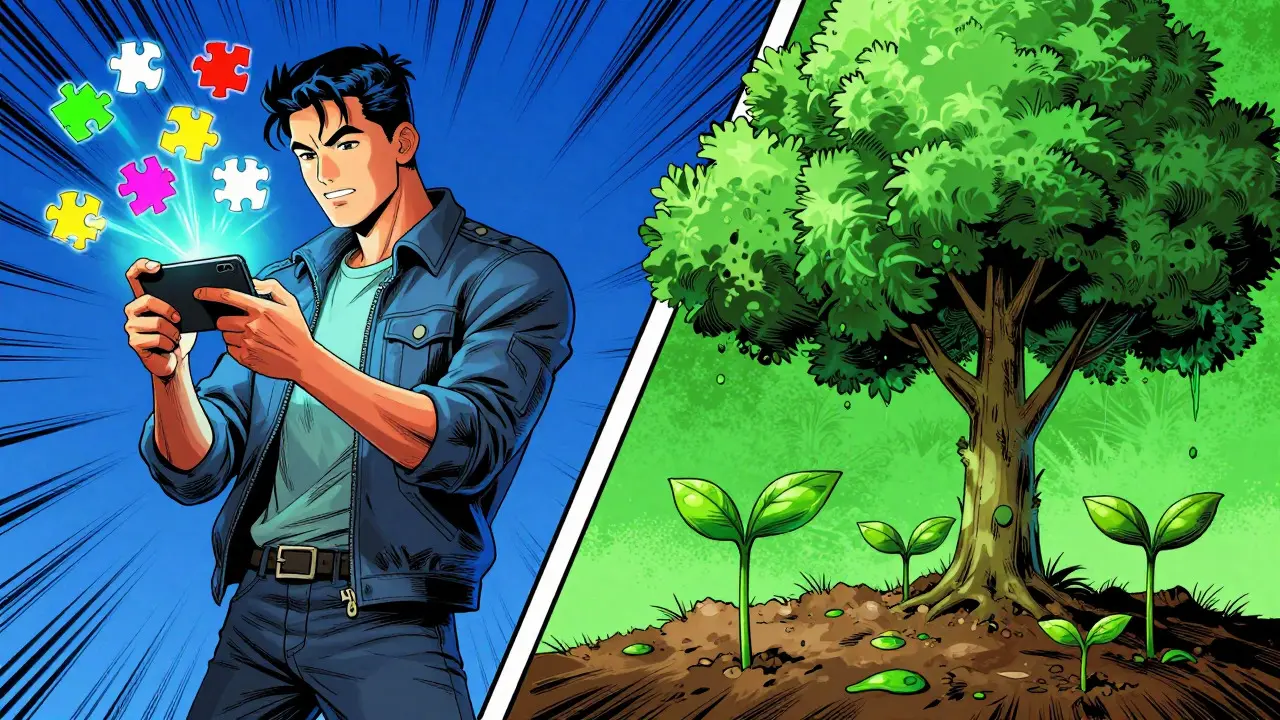
Have you ever played a mobile game and wondered if your time could actually help the planet? That’s the hook behind My Lovely Planet, a project that blends casual puzzle gaming with blockchain technology. At the center of this ecosystem is the $MLC token, a utility coin built on the Polygon network. Unlike many crypto projects that promise quick riches, MLC tries to solve a different problem: how to keep players engaged while funding real-world environmental conservation.
If you’ve seen the hype around play-to-earn games like Axie Infinity, you might be skeptical. Those models often collapsed because they relied on new users paying old ones-a classic Ponzi dynamic. My Lovely Planet attempts to break that cycle by tying rewards to actual gameplay progression and requiring players to stake tokens before they can cash out. But does it work? Let’s look at what $MLC actually is, how it functions, and whether it lives up to its green promises.
The Core Concept: Gaming Meets Conservation
My Lovely Planet is a mobile gaming platform that uses blockchain incentives to fund tree planting and other ecological projects. The idea is simple: you play fun, casual puzzle games, earn in-game currency called Diamonds, and eventually convert those into $MLC tokens. But here’s the catch-you can’t just grind for tokens and sell them immediately. The system is designed to reward long-term commitment.
The project claims to have planted over 370,000 trees globally so far. This isn’t just marketing fluff; it’s tied directly to the tokenomics. A portion of the total supply goes into an Environmental Treasury, which funds these initiatives. Players who hold $MLC can vote on which non-governmental organizations (NGOs) or projects receive funding through a decentralized autonomous organization (DAO) structure. This gives holders a sense of agency beyond just price speculation.
How the $MLC Token Works
To understand $MLC, you need to understand its mechanics. It’s not a store of value like Bitcoin or a smart contract platform like Ethereum. It’s a utility token with specific functions within the My Lovely Planet app.
- In-Game Rewards: You earn Diamonds by playing puzzles. These Diamonds represent potential value but aren’t tradeable outside the game until converted.
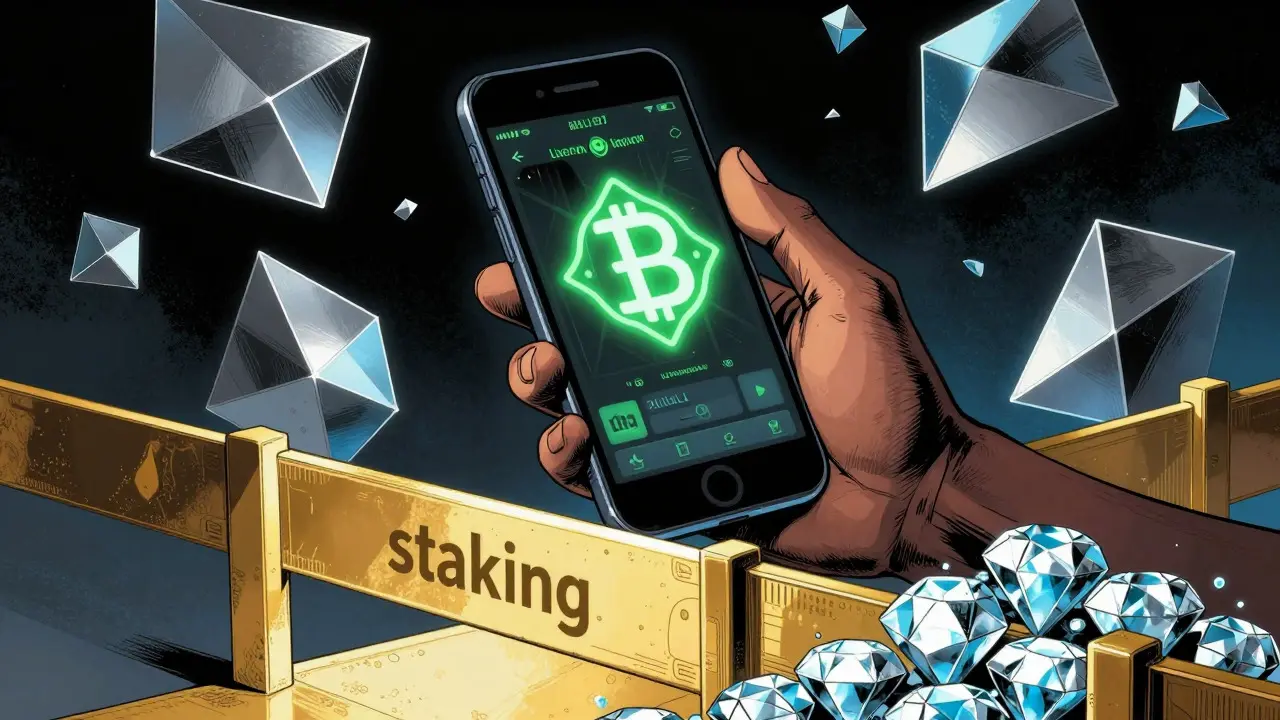
- Conversion Gate: To turn Diamonds into $MLC, you must first stake at least $100 worth of MLC tokens. This requirement prevents bots and speculative farmers from draining the economy.
- Referral System: Referring friends earns you bonuses, but both you and the friend must reach Level 20 in the game. This ensures referrals are genuine players, not fake accounts.
- Governance: Holding $MLC allows you to participate in DAO votes regarding the Environmental Treasury.
This design creates a barrier to entry. Casual gamers who want to dip their toes in might find the $100 staking requirement steep. However, for serious players, it filters out noise and stabilizes the token’s demand.
Technical Foundation: Why Polygon?
$MLC operates on the Polygon blockchain, which is a Layer 2 scaling solution for Ethereum that offers low transaction fees and high speed. Choosing Polygon was a strategic move. Mobile gamers hate waiting for transactions or paying high gas fees. On Ethereum mainnet, a simple transfer could cost dollars and take minutes. On Polygon, transactions are nearly instant and cost fractions of a cent. This makes micro-transactions-like earning small amounts of tokens per game session-viable.
The integration with Transac provides a fiat on-ramp, allowing users to buy $MLC directly with credit cards. This lowers the technical barrier for non-crypto-native users, who make up the bulk of mobile gaming audiences.
Tokenomics and Market Position
As of late 2025, $MLC ranked around #757 on major tracking sites like CoinMarketCap, with a price hovering near $0.30. The trading volume was modest, under $1 million daily. This places it firmly in the mid-tier of gaming tokens. For context, the initial fully diluted market cap was around $35 million. The project’s ambitious goal is to reach the top 30 cryptocurrencies, which would require a market cap of roughly $2.8 billion. That’s a massive leap-one that demands millions of active users, not just thousands.
| Feature | My Lovely Planet ($MLC) | Axie Infinity (SLP) | Generic P2E Tokens |
|---|---|---|---|
| Blockchain | Polygon | Ethereum/Ronin | Varies (BSC, Solana) |
| Entry Barrier | High ($100 Stake + Level 20) | Medium (NFT Purchase) | Low to None |
| Primary Utility | Gaming Rewards + Eco-Funding | Skill Points/Staking | Speculation/Gambling |
| Anti-Speculation | Yes (Progression Gates) | No (Free Market) | Rarely |
| Environmental Impact | Direct Tree Planting | None | None |
The tokenomics allocate 15.22% of the supply to the Environmental Treasury. If the project hits its top-30 target, that treasury could exceed $800 million. While optimistic, it highlights the scale of ambition. Critics point out that achieving such growth requires user acquisition rates that few gaming apps sustain long-term. Most mobile games lose 90% of their users within the first month. My Lovely Planet’s retention strategy relies on the staking lock-in, which helps, but only if the game remains genuinely fun.

Pros and Cons: Is It Worth Your Time?
Let’s cut through the noise. Here’s what works and what doesn’t about $MLC.
The Good:
- Sustainable Model: By requiring stakes and progression, it avoids the death spiral seen in earlier P2E games where token inflation crashed prices.
- Real-World Impact: The link to tree planting and NGO voting gives holders a tangible reason to believe in the project beyond price charts.
- User-Friendly Tech: Polygon integration means smooth performance on mobile devices without crypto headaches.
The Bad:
- High Entry Cost: Needing $100 staked just to start converting earnings excludes many casual players.
- Slow Growth: Reaching Level 20 takes time. If you’re looking for quick cash, this isn’t it.
- Market Risk: As a mid-cap token, $MLC is volatile. Its price depends heavily on user growth, which is hard to predict.
Who Should Care About $MLC?
This token isn’t for day traders looking for 100x gains overnight. It’s aimed at two groups: environmentally conscious gamers who want their hobby to do some good, and long-term crypto investors interested in sustainable Web3 models. If you enjoy puzzle games and don’t mind locking up some capital for months, $MLC offers a unique blend of entertainment and purpose. If you want fast money, look elsewhere.
The project’s success hinges on one thing: retention. Can it keep players engaged enough to hit Level 20 and stay staked? Early data suggests moderate adoption, but the path to a $2.8 billion market cap is steep. Still, in a crowded crypto space, My Lovely Planet stands out by trying to fix the broken incentives of play-to-earn rather than just copying them.
What is the minimum amount to stake $MLC?
You need to stake at least $100 worth of $MLC tokens to unlock the ability to convert in-game Diamonds into tradeable tokens. This requirement helps prevent bot farming and encourages long-term player commitment.
Is My Lovely Planet available on iOS and Android?
Yes, My Lovely Planet is a mobile-first game available on both iOS and Android platforms. The app is designed for casual puzzle gameplay with integrated blockchain features via the Polygon network.
How does the Environmental Treasury work?
15.22% of the total $MLC supply is allocated to an Environmental Treasury. Holders can use their tokens to vote in a DAO on which environmental NGOs or tree-planting projects receive funding from this pool.
Can I buy $MLC with a credit card?
Yes, the platform integrates with Transac, providing a seamless fiat on-ramp that allows users to purchase $MLC directly using credit or debit cards, enhancing accessibility for non-crypto users.
What is the referral reward system?
Both the referrer and the referred user must reach Level 20 in the game before any referral rewards can be claimed. This ensures that rewards go to active, genuine players rather than bots or inactive accounts.