

Are you trying to trade cryptocurrency with the South Korean Won (KRW)? If so, Upbit is likely the first name that comes up. It dominates the Asian market, holding a massive chunk of trading volume that leaves other exchanges far behind. But does it work for you? That depends entirely on where you live and how much you value regulatory safety versus low fees.
Upbit isn't just another platform; it’s the gateway for millions of users in South Korea and Singapore to enter the digital asset space. Operated by Dunamu, it has built a reputation on one thing: compliance. In a region known for strict financial rules, Upbit thrives because it plays by the book. However, this focus on regulation comes with trade-offs, including higher fees than global giants like Binance and limited access for users outside specific jurisdictions.
What Is Upbit and Who Runs It?
Launched in October 2017, Upbit is a joint venture between Dunamu, a blockchain technology firm, and Ground X, the blockchain arm of Kakao. This partnership gave it an immediate advantage: trust. By linking itself to major tech players, Upbit quickly became the largest cryptocurrency exchange in South Korea by trading volume.
As of mid-2025, Upbit serves over 6.2 million registered users. Its primary mission was to bridge traditional finance and digital assets in Asia following the crypto boom of 2017. Unlike decentralized exchanges or offshore platforms, Upbit operates under the strict Virtual Asset Service Provider (VASP) framework enforced by South Korea’s Financial Services Commission. This means every transaction is monitored, every user is verified, and the platform holds certifications like ISO 27001 and ISMS-P for information security.
If you are looking for a place to park funds anonymously, Upbit is not it. It is designed for traders who want peace of mind knowing their exchange is fully integrated with local banking systems and government regulations.
Security and Trust: The Upbit Advantage
Security is the main selling point for Upbit. After a high-profile Ethereum hack in 2019 that resulted in $51 million in losses, the exchange faced intense scrutiny. Instead of hiding, Upbit reimbursed all affected users approximately $6.3 million (8.5 billion won) within 72 hours. This move set a new industry standard for accountability and rebuilt user trust rapidly.
Today, Upbit employs a multi-layered security architecture:
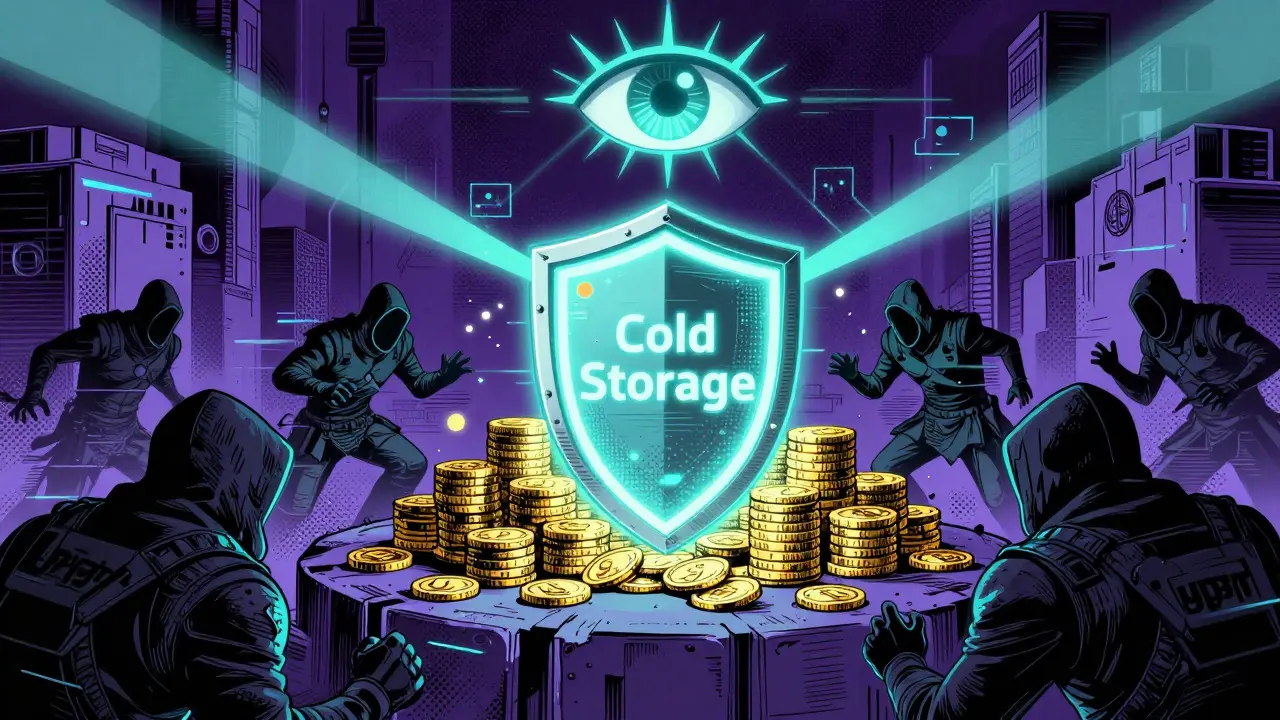
- Cold Storage: 70% of user funds are stored in offline cold wallets, significantly reducing the risk of online hacks.
- AI Monitoring: An AI-powered system monitors 1.2 million transactions per minute to detect anomalies. Dr. Lee Min-jae from Seoul National University noted that this system processes 14 million data points per second, exceeding global averages by 37%.
- Mandatory Authentication: Two-factor authentication (2FA) and fund passwords are required for all withdrawals.
- Proactive Compliance: In November 2025, Upbit blocked accounts linked to Cambodia’s Huewn Exchange two months before U.S. regulators did, freezing 259 suspicious accounts.
This proactive approach means your money is safer, but it also means more friction. You will face stricter checks than on less regulated platforms.
Fees and Trading Costs
Here is where Upbit might disappoint cost-conscious traders. The fee structure is higher than many global competitors. As of 2025, the maker fee is 0.25%, while taker fees can be even higher depending on your trading volume. Compare this to Binance, which often offers 0.1% fees, and the difference adds up quickly for active day traders.
| Feature | Upbit | Binance | Coinbase |
|---|---|---|---|
| Maker Fee | 0.25% | 0.10% | 0.40%+ |
| KRW Pairs | Yes (Primary) | Limited | No |
| Regulatory Status | Highly Regulated (KR) | Varies by Region | Highly Regulated (US) |
| Cold Wallet % | 70% | Variable | High |
| User Base Focus | Asia/Korea | Global | North America/Europe |
However, if you are trading KRW pairs, the convenience often outweighs the cost. Upbit handles 92% of its volume in KRW trading pairs, offering deep liquidity that reduces slippage for large orders. For retail investors in Korea, the ease of depositing fiat currency via local banks makes the higher fees acceptable.
Supported Cryptocurrencies and Liquidity
Upbit lists over 300 cryptocurrencies, but its strength lies in Bitcoin (BTC), Ethereum (ETH), and popular altcoins favored by Asian traders. While Coinbase lists 350+ tokens, Upbit’s selection is curated to meet regulatory standards. This means you might find fewer obscure meme coins here compared to decentralized exchanges.
Liquidity is exceptional for major pairs. Daily trading volume exceeds $1.8 billion, ensuring that buy and sell orders are filled quickly. Transaction processing takes 3-5 seconds for most cryptocurrencies. Withdrawal limits depend on your KYC level:
- Level 2 (Basic Verification): SGD 5,000 daily limit.
- Level 4 (Full Verification): Up to SGD 100,000 daily limit.
For institutional traders, these limits can be restrictive. A Singaporean user named Chen Wei noted in a 2025 review that the SGD 5,000 cap is insufficient for serious trading, highlighting a common pain point for professional users.
User Experience and Mobile App
The Upbit interface is clean and straightforward, rated at a moderate difficulty level (3.2/5). New users typically execute their first trade within 24 hours. The mobile app requires Android 8.0+ or iOS 12+, and it mirrors the web platform’s functionality.
However, the experience isn’t flawless. During periods of high market volatility, the mobile app can suffer from latency issues. A 2025 survey revealed that 44% of Korean users criticized the app’s performance during rapid price swings. Additionally, customer support, while available 24/7 in Korean and English, averages a 92-second response time for chat but can take 3.7 business days to resolve complex issues.
Documentation is robust, with 217 help articles and 47 video tutorials. Active Telegram communities with over 145,000 members provide peer-to-peer support, which is invaluable for navigating KYC hurdles or understanding withdrawal delays.
Regulatory Constraints and Accessibility
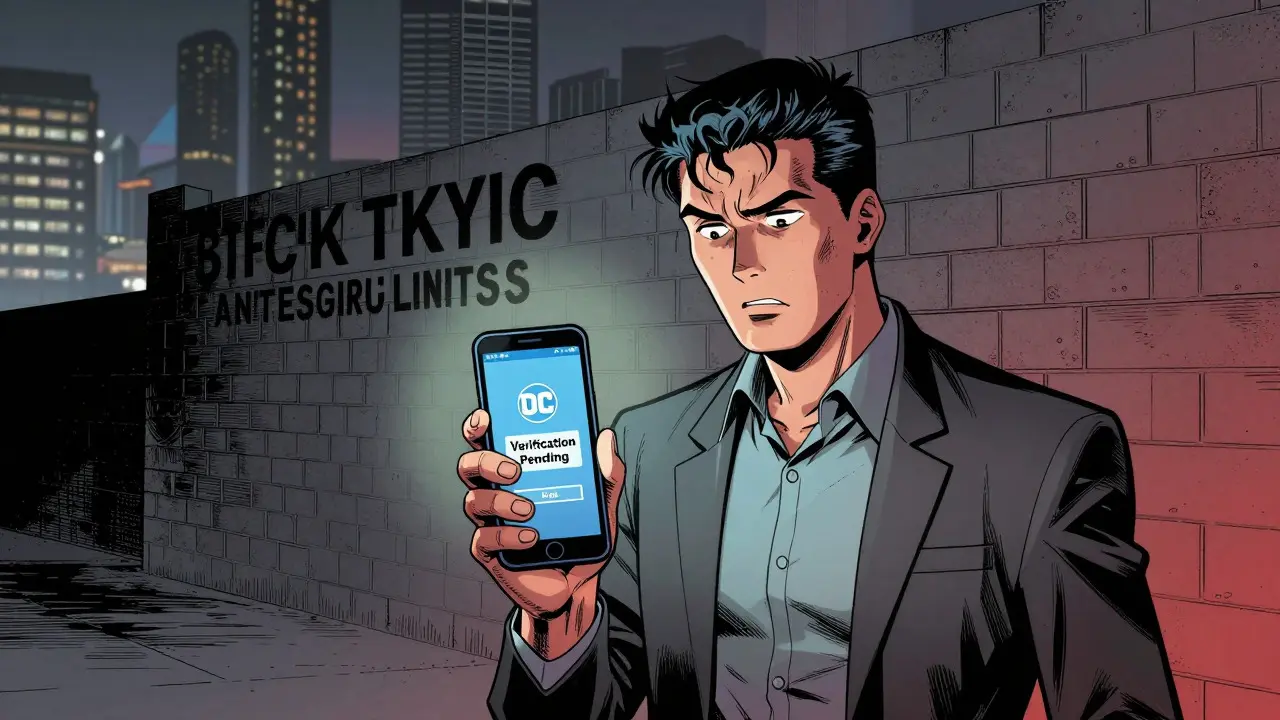
This is the most critical section for international users. Upbit is heavily focused on South Korea and Singapore. To use KRW trading pairs, you must verify Korean residency. This requirement excludes many global traders who simply want to buy crypto with fiat.
Furthermore, Upbit restricts access in 32 jurisdictions, including the United States, due to regulatory constraints. If you are a U.S. resident, Upbit is not an option. For those in eligible countries, the KYC process is thorough. Full verification takes 3-5 business days. In 2025, regulators identified 500,000-700,000 KYC compliance issues across the industry, and Upbit has been tightening its enforcement. While this ensures safety, it leads to delays. Some users report that large withdrawals trigger manual reviews, affecting 12% of high-value transactions.
Is Upbit Right for You?
Upbit excels as a regional powerhouse. If you are based in South Korea or Singapore, it offers unmatched liquidity, security, and fiat integration. The ability to seamlessly convert KRW or SGD into crypto without third-party bridges is a significant advantage.
However, if you are a global trader seeking the lowest fees or access to niche altcoins, platforms like Binance or Coinbase may serve you better. Upbit’s higher fees and strict regulatory environment make it less attractive for casual international users. Its recent expansions, including planned AI trading assistants in Q2 2026 and support for 12 new fiat currencies by 2027, suggest it aims to broaden its reach, but for now, it remains a specialized tool for the Asian market.
Is Upbit safe for beginners?
Yes, Upbit is considered very safe due to its strict regulatory compliance and high-security standards. It stores 70% of funds in cold wallets and uses AI to monitor transactions. However, beginners should be prepared for a thorough KYC verification process that can take up to 5 business days.
Can I use Upbit if I am not in South Korea?
What are the withdrawal limits on Upbit?
Withdrawal limits depend on your KYC level. Level 2 users have a daily limit of SGD 5,000, while fully verified Level 4 accounts can withdraw up to SGD 100,000 daily. These limits are strictly enforced to comply with anti-money laundering regulations.
How do Upbit fees compare to Binance?
Upbit’s fees are higher. The maker fee is 0.25%, whereas Binance typically charges around 0.1%. However, Upbit offers superior liquidity for KRW pairs and stronger regulatory protection in Asia, which some users prefer over lower costs.
Did Upbit ever get hacked?
Yes, in 2019, Upbit suffered an Ethereum hack resulting in $51 million in losses. However, the exchange fully reimbursed affected users with 8.5 billion won ($6.3 million) within 72 hours, demonstrating strong financial resilience and commitment to customer trust.
Why is my KYC verification taking so long?
KYC verification can take 3-5 business days due to strict regulatory requirements in South Korea. Delays are often caused by manual reviews of documents or high volumes of applications. Ensure your documents are clear and match your ID exactly to avoid rejection.