
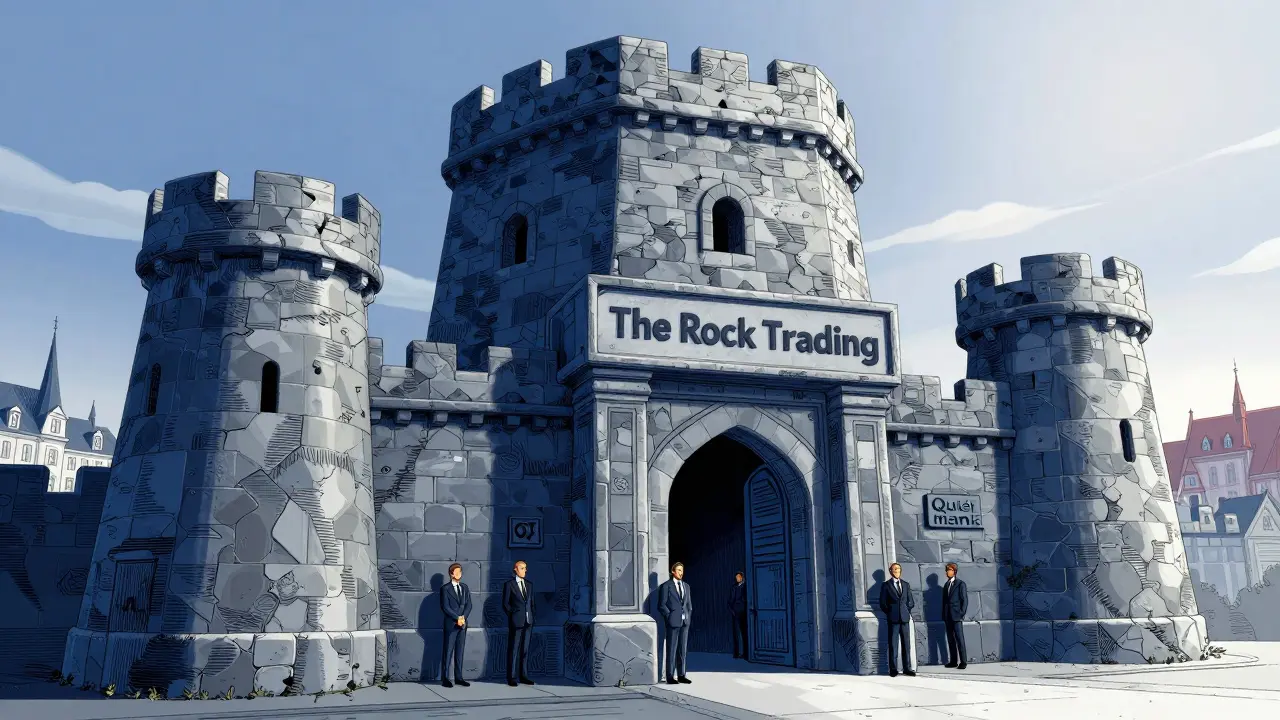
If you're looking for a place to trade your coins today, stop right here. You might have come across mentions of The Rock Trading is a former European cryptocurrency exchange that operated for over a decade before its sudden collapse. In the world of digital assets, longevity is often mistaken for safety. The Rock Trading was one of the oldest players in the game, starting as early as 2011, yet it ended up as a textbook example of how a "stable" platform can vanish almost overnight. This isn't a review of a service you can sign up for; it's a post-mortem of what happened and why you should care about it when choosing your current exchange.
The Rise of a European Mainstay
For years, this platform positioned itself as the "quiet old bank" of the crypto world. While other exchanges were chasing every new meme coin or offering 100x leverage, The Rock Trading focused on the basics: regulatory compliance and a smooth experience for European users. They weren't trying to be the biggest, just the most reliable. They held registrations with the Malta Financial Services Authority and the Italian Organismo Agenti e Mediatori, which gave them a level of legitimacy that many early exchanges lacked.
They leaned heavily into KYC (Know Your Customer) and AML (Anti-Money Laundering) protocols. For a retail investor in Europe, it felt like a safe bet. They offered a "Fastlane" feature that let beginners buy crypto in three clicks, making the barrier to entry incredibly low for people who were intimidated by complex trading interfaces.
Trading Features and The "Old Guard" Approach
When it was active, the exchange didn't offer a thousand different coins. Instead, it focused on the heavy hitters. You could trade Bitcoin, Ethereum, and Ripple (XRP) against fiat currencies like the Euro (EUR) and US Dollar (USD). This conservative approach actually attracted a specific type of trader-those who didn't want the noise of the "neon-lit trading arcades" and just wanted a steady way to move money into BTC.
Their fee structure was a major selling point. While many platforms had flat fees, The Rock Trading used a tiered system. If you traded more, you paid less. For high-volume traders, fees could drop as low as 0.02%, which was significantly cheaper than the industry average of 0.1% to 0.5% at the time. They also tried to bridge the gap between digital and physical spending with a prepaid card that users could fund with their account balances.
| Feature | Detail | Value/Status |
|---|---|---|
| Launch Year | Operational Start | 2011 |
| Trading Fees | Tiered Structure | 0.02% - 0.50% |
| Primary Markets | Fiat-to-Crypto | BTC/EUR, BTC/USD, XRP/EUR |
| Regulation | European Authorities | MFSA (Malta), OAM (Italy) |
| Current Status | Legal Standing | Bankrupt (as of April 2023) |
The Cracks in the Foundation
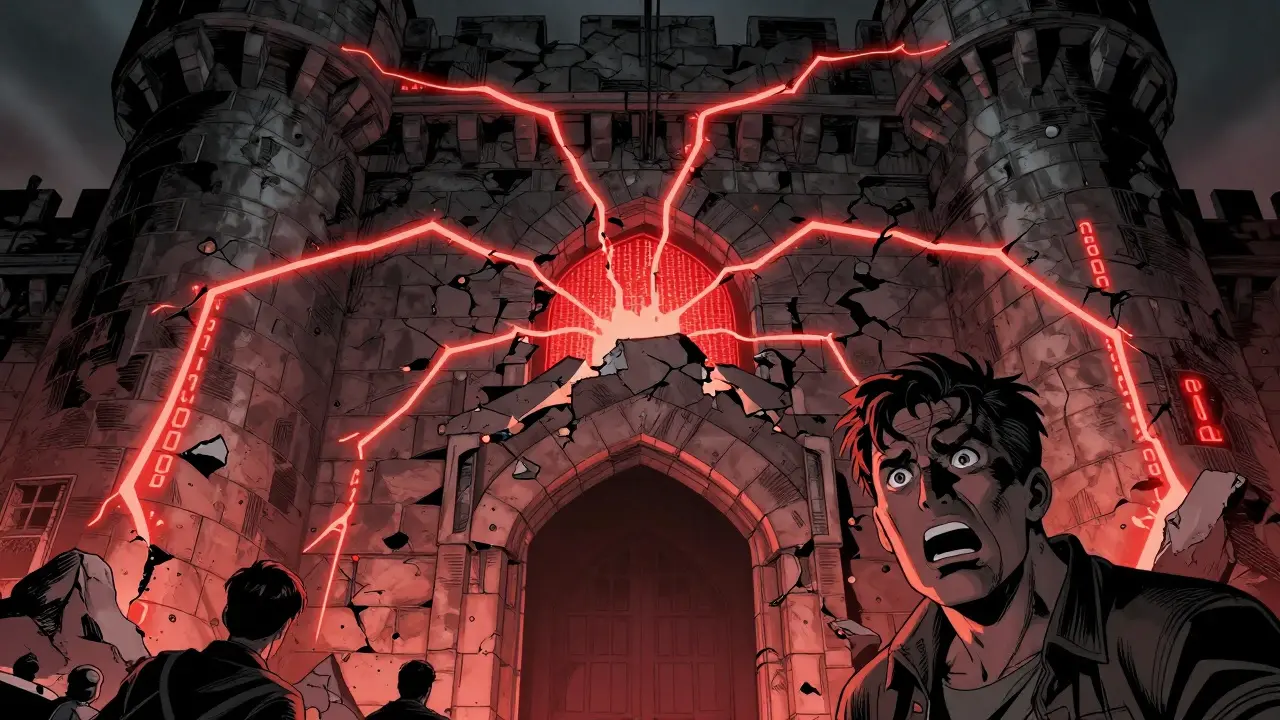
Everything seemed fine until the cracks started appearing in the security and operational layers. One of the biggest red flags happened in 2021. A company called Onedime, which provided digital services to the exchange, was hacked. This resulted in the theft of roughly €904,000. While the exchange didn't collapse immediately after the hack, it signaled that their security infrastructure wasn't keeping up with the evolving threats of the market.
Users also started complaining about the "human" side of the business. While the API was fast, the customer support was often described as sluggish. The verification process for new accounts would sometimes take days, leaving users in a limbo where they had deposited money but couldn't trade. These might seem like small annoyances, but in crypto, poor communication from a platform is usually a precursor to bigger problems.
The Final Collapse: Liquidity and Bankruptcy
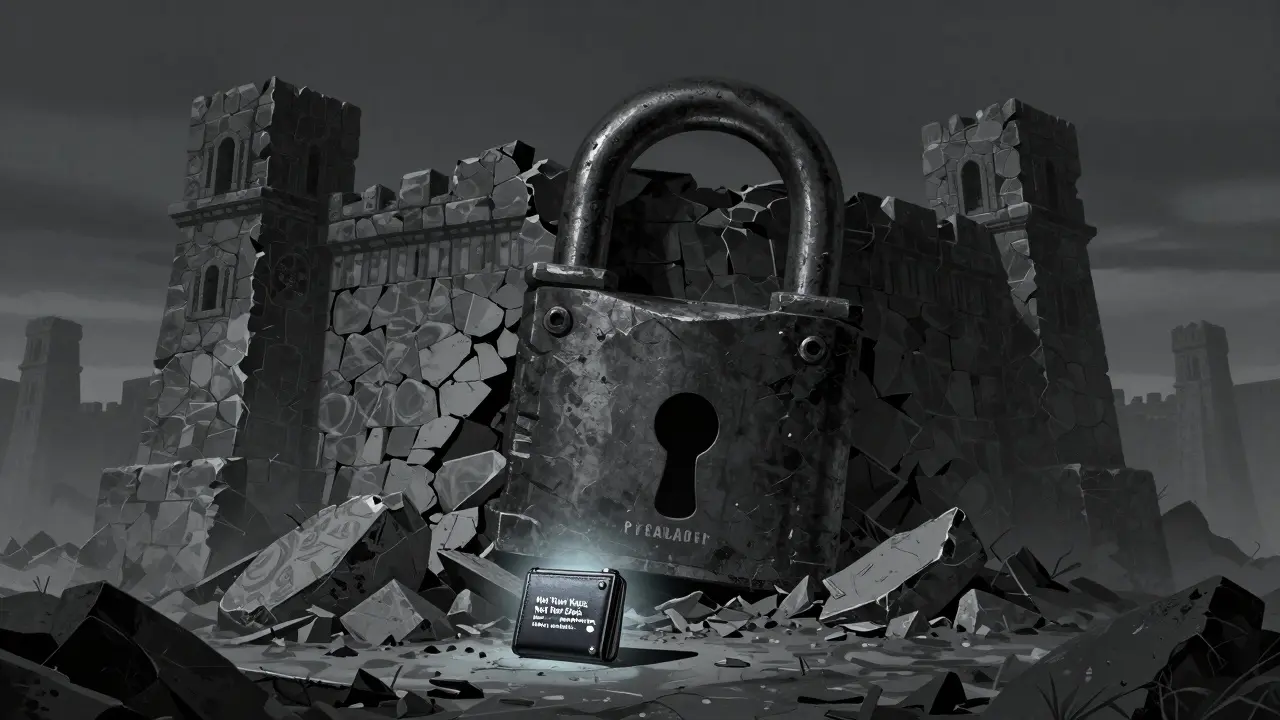
The end came swiftly in early 2023. In February, the exchange hit a severe liquidity crisis. This happens when an exchange doesn't have enough liquid assets to cover the withdrawal requests of its users. Suddenly, the funds of over 30,000 clients were frozen. Imagine waking up and finding that your digital wallet is locked and the company isn't giving you a clear timeline on when you'll get your money back.
By April 14, 2023, a court in Milan officially declared The Rock Trading bankrupt. The company that had survived the Mt. Gox crash and the brutal bear market of 2018 finally succumbed to a combination of poor risk management and the lingering effects of its security breaches. The bankruptcy meant that users weren't just dealing with a technical glitch; they were now creditors in a legal liquidation process, hoping to recover whatever pennies were left on the dollar.
What We Can Learn From This Disaster
Why does the story of a dead exchange matter? Because it highlights the danger of the "too big to fail" or "too old to fail" mentality. Many users trusted The Rock Trading because it had been around since 2011. They assumed that a decade of operation equaled safety. In reality, an old exchange that doesn't modernize its security and liquidity management is actually *more* vulnerable than a newer, leaner platform.
If you're choosing a platform today, remember these lessons from The Rock Trading's failure:
- Not Your Keys, Not Your Coins: This is the golden rule. If you keep your assets on an exchange, you are trusting them with your money. Using a cold wallet for long-term storage prevents you from becoming a victim of a bankruptcy court.
- Regulation Isn't a Guarantee: The Rock Trading was registered with European authorities, but that didn't stop them from going bankrupt. Regulation provides a framework, but it doesn't guarantee the solvency of a company.
- Watch for "Frozen Funds" Warnings: When you see reports of "maintenance" that lasts for days or sudden restrictions on withdrawals, get your money out immediately. These are almost always signs of a liquidity crisis.
Can I still recover funds from The Rock Trading?
Recovery is extremely difficult. Since the Milan court declared the company bankrupt in April 2023, any potential recovery happens through the official liquidation process. You would need to be registered as a creditor in the bankruptcy proceedings to receive a portion of the remaining assets, if any.
Was The Rock Trading a scam from the start?
There is no evidence that it was a "rug pull" or a scam from day one. It operated legitimately for over a decade and served thousands of users. Its failure was more likely due to a combination of security breaches (like the Onedime hack), poor risk management, and an inability to handle liquidity during a market downturn.
What happened to the funds after the bankruptcy?
The remaining cryptocurrency holdings are liquidated by the court-appointed trustees. The proceeds from these sales are then distributed to the affected clients based on the priority of claims established by the bankruptcy court.
Why did the 2021 hack lead to bankruptcy in 2023?
While the €904,000 theft didn't kill the company instantly, it likely depleted the exchange's emergency reserves. When the wider market became volatile in 2023, they didn't have the financial cushion needed to survive a spike in withdrawal requests, leading to the liquidity freeze.
Did the exchange support US users?
Yes, but with heavy restrictions. US users couldn't use standard bank account deposits or withdrawals; they were limited to using OKPay, which made the platform much less attractive to Americans compared to local options like Coinbase.
Miranda Jamieson
April 23, 2026 AT 19:44Honestly, anyone who left their funds on an exchange for a decade is just asking for a disaster.
It's pure incompetence to trust a centralized entity with your life savings in a market this volatile. The "too old to fail" mindset is just a cope for people who are too lazy to learn how to manage their own keys. Imagine being shocked that a company with bad security and zero transparency eventually went bust. Truly pathetic.
jill huyo-a
April 25, 2026 AT 00:57It's a bit sad that so many people lost their money this way. I wonder if there are any community groups helping those affected to navigate the legal process in Italy.
Robert Mosolygo
April 27, 2026 AT 00:34You're all missing the bigger picture here. The 2021 hack wasn't just an accident; it was a stress test that they failed miserably. The liquidity crisis in 2023 was a calculated move to hide the hole in their balance sheet until the legal team could file for bankruptcy protection. This has all the hallmarks of a coordinated exit strategy masked as "poor risk management." They knew the ship was sinking and just let the retail traders drown while the insiders likely moved their assets long ago.
Benjamin Forg
April 28, 2026 AT 22:46probably just another front for the banks to suck up more crypto and pretend it disappeared into a bankruptcy void lol
nothing is ever actually gone just moves from one pocket to another in the great global shell game
Greg Reynolds
April 30, 2026 AT 10:09Actually, the tiered fee structure wasn't a selling point; it was a trap to lure in high-volume traders to provide the liquidity the exchange lacked. If you analyze the order books from that era, you can see the spread was wildly inconsistent. The "stability" was an illusion maintained by a very small number of market makers who were likely in bed with the operators.
Tony Gurley-Ward
May 1, 2026 AT 06:04Life is just one big series of bankruptcies, isn't it? Whether it's a digital coin or a spiritual void, we're all just trading shadows in a neon cave. Pretty wild that a decade of existence means nothing when the math doesn't add up. It's almost poetic in its tragedy.
Larry Yang
May 2, 2026 AT 21:16smh at the people thinking regulation actualy saves them. it's basically a paid seal of approval for the gov to say "hey we saw them do it" right before the money vanishes. totaly useless.
Sarah Fisher
May 4, 2026 AT 06:17It makes me think about how we define trust in the digital age. We tend to equate duration with reliability, but in technology, the oldest system is often the most fragile one. We need a new paradigm for trust that isn't based on a calendar.
praveen subbiah
May 6, 2026 AT 01:08This is a tragedy! Truly a heartbreak for all the honest people who believed in the system! My heart goes out to everyone who lost their hard-earned money in this chaotic mess!
Ellie Drews
May 8, 2026 AT 00:19I feel for anyone caught up in this. It's so stressful when you can't access your own money. I hope the liquidation process is as fair as possible for the small investors.
Findlay Duncan Lyon
May 8, 2026 AT 08:26Proper shambles, this.
Alex Wan
May 8, 2026 AT 23:38I am absolutely devastated to read about such an utter lack of oversight!! It is truly a travesty that the regulators let this persist for so long!! We must strive for better standards in our financcial systems to protect the innocent!!
Doc Coyle
May 9, 2026 AT 02:20Everyone knows that keeping funds on an exchange is a mistake. It's not a secret. It's basic knowledge. I don't get why people still do it after Mt Gox and everything else. Just use a hardware wallet and stop complaining about things you could have avoided.
Sara Ellis
May 9, 2026 AT 06:43just a big lesson in not trusting people with your money haha
Lisa Camp
May 10, 2026 AT 00:23GET YOUR MONEY OFF THESE WEAK PLATFORMS NOW! Stop being sheep and take control of your assets before the next one crashes! Wake up and move your coins to a cold wallet today!
Kyle Bush
May 10, 2026 AT 12:13America would NEVER let this happen on our soil!! 🇺🇸 We have the best systems in the world and anyone saying otherwise is just wrong!! 🚀💰 This is why I only trust domestic options!! 🦅
Ali Tate
May 12, 2026 AT 11:40imagine thinking a malta registration is a safety net lol. absolute joke. only a complete novice would trust a company based in a tax haven and expect the law to actually protect them when the money vanishes into the ether
Gary Lingrel
May 12, 2026 AT 14:04typical retail investor behavior... trusting the "old guard" just because they had a website that looked like a bank from 2005 lol :)
Paige Raulerson
May 13, 2026 AT 21:27I've seen better risk management in a lemonade stand run by toddlers. The fact that this lasted until 2023 is actually the most surprising part of the whole story. It's almost impressive how long they managed to fake it before the gravity of their own incompetence finally pulled them down. I'm bored just thinking about how predictable this outcome was for anyone with a functioning brain.
Mary Tawfall
May 15, 2026 AT 03:32It's definitely a tough situation, but hopefully this serves as a helpful reminder for everyone to diversify where they keep their assets. There's always a way to recover and move forward with more knowledge!