

You’ve probably seen the pop-up or the Telegram message promising free tokens from something called the Recharge Incentive Drop. The name sounds official. The promise of "unknown details" creates curiosity. But here is the hard truth: if you cannot find basic information about a project on major tracking sites like CoinMarketCap, CoinGecko, or reputable news outlets like Coindesk, it is likely not real. In the world of cryptocurrency, silence is often a warning sign, not a mystery to be solved.
As of mid-2026, there is no legitimate record of a project named "The Recharge Incentive Drop" by an entity labeled "Unknown." This absence of data is critical. Legitimate blockchain projects build trust through transparency. They publish whitepapers, list their team members, and maintain active, verified social media channels. When a project hides behind vague names and lacks digital footprints, you are not looking at an opportunity; you are looking at a risk.
The Anatomy of a Crypto Airdrop
To understand why this specific "drop" is suspicious, we first need to look at how legitimate airdrops work. An Crypto Airdrop is a marketing strategy where blockchain projects distribute free tokens to wallet holders to generate buzz, reward early users, or decentralize governance.
Think of it like a startup giving away free samples of a new product. But in crypto, these samples can sometimes be worth thousands of dollars, as seen with historical giants like Uniswap or Arbitrum. However, even those massive successes had clear identities, known development teams, and transparent roadmaps.
There are generally four types of legitimate airdrops:
- Bounty Airdrops: You complete simple tasks like following Twitter accounts or joining Discord servers. These are low-risk but time-consuming.
- Holder Airdrops: You receive tokens simply for holding a specific cryptocurrency (like ETH or SOL) at a certain snapshot date.
- Interaction-Based Airdrops: You use a protocol-swapping tokens, providing liquidity, or bridging assets. These carry gas fees and smart contract risks.
- Retroactive Airdrops: Projects reward past users who helped test the network before it launched publicly.
Notice a pattern? Every single one of these requires a known project identity. If the project is "Unknown," which category does it fit into? None. That is your first red flag.
Why "Unknown Details" Is a Major Red Flag
In 2026, the crypto space is more regulated and scrutinized than ever before. Projects that want to succeed must pass Know Your Customer (KYC) checks for their teams and undergo security audits by firms like CertiK or OpenZeppelin. A project calling itself "Unknown" is deliberately avoiding accountability.
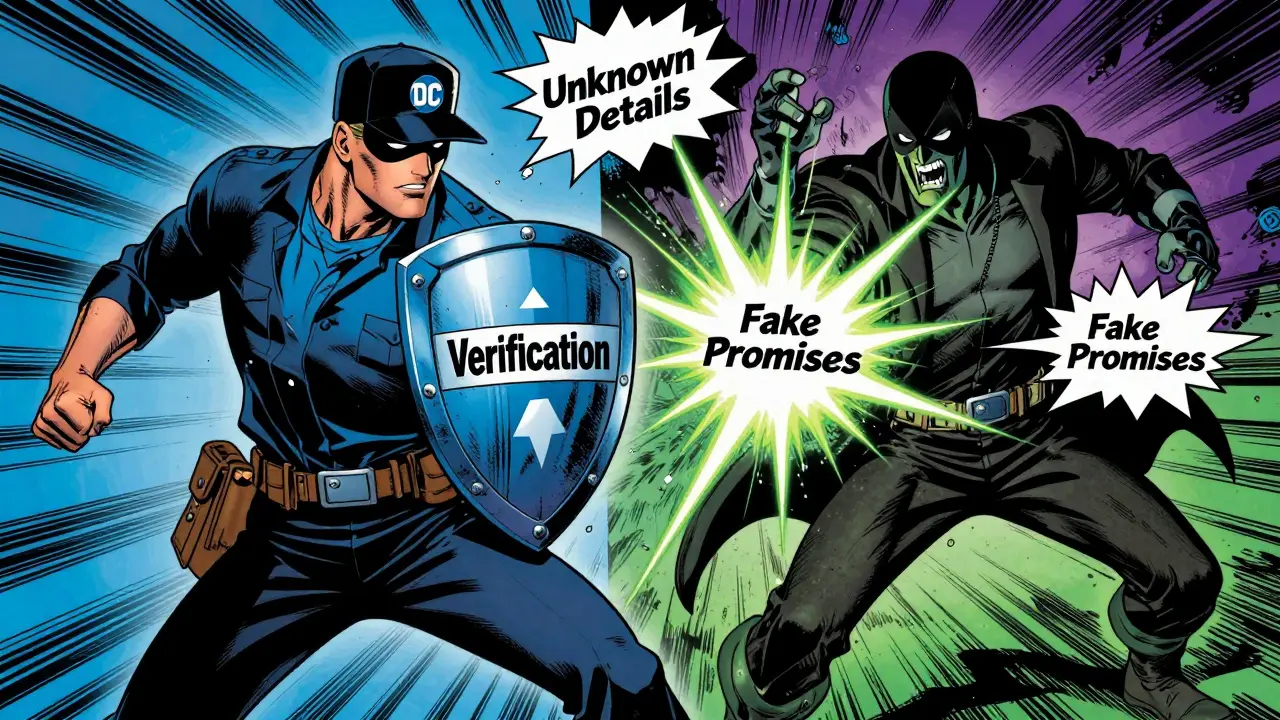
Scammers rely on two psychological triggers: greed and curiosity. By using a name like "Recharge Incentive," they mimic the language of legitimate energy-sector tokenizations or loyalty programs. By adding "Unknown details," they create an air of exclusivity, making you feel like you’re part of an inner circle that knows something others don’t.
Let’s break down the typical scam playbook associated with such vague announcements:
- The Hook: A flashy graphic promises high returns for minimal effort.
- The Gatekeeper: You are asked to connect your wallet to a specific URL to "claim" eligibility.
- The Trap: Once connected, the site may ask for a small "gas fee" or "verification deposit" to unlock the airdrop. Or worse, it may prompt you to sign a malicious transaction that drains your existing funds.
- The Disappearance: After harvesting wallets or fees, the website goes offline, and the Telegram group deletes all messages.
Legitimate projects never ask you to pay to receive an airdrop. While you might pay gas fees to interact with a chain, you never send money to a stranger’s wallet to "unlock" free tokens.
How to Verify Any Airdrop Before Participating
You don’t have to give up on airdrops entirely. They remain one of the most rewarding ways to engage with Web3. But you must become a detective. Here is a step-by-step checklist to verify any opportunity, whether it’s the rumored "Recharge Drop" or a new Layer 2 solution.
| Check Step | What to Look For | Red Flags |
|---|---|---|
| 1. Official Channels | Verified Twitter/X, Discord, and GitHub links | No website, only Telegram links, or broken URLs |
| 2. Team Identity | LinkedIn profiles of founders, doxxed team members | Anonymous team with no history, stock photos |
| 3. Security Audits | Audit reports from reputable firms (CertiK, Hacken) | No audit, or audit from an unknown/unverified firm |
| 4. Community Sentiment | Active discussions on Reddit, Bitcointalk, or trusted influencers | Bots spamming comments, paid shills, silence |
| 5. Tokenomics | Clear distribution chart, vesting schedules | Vague supply numbers, huge team allocation hidden |
If the "Recharge Incentive Drop" fails even one of these checks, walk away. In 2026, tools like Etherscan is a blockchain explorer for Ethereum that allows users to track transactions and verify smart contracts and similar explorers for Solana or BSC make it easy to check if a contract has been audited or flagged as malicious. Never skip this step.
Real Examples vs. Fake Promises
Let’s compare the vague "Recharge Incentive Drop" with actual successful airdrops from recent years to see the difference in transparency.
Uniswap (UNI): When Uniswap launched its governance token, it didn’t hide. It published a detailed proposal on its forum. It retroactively rewarded users who had swapped tokens on the platform before September 2020. The criteria were public, the snapshot was clear, and the distribution happened via a standard ERC-20 transfer. No secret portals, no "unknown details."
Arbitrum (ARB): Similarly, Arbitrum’s airdrop was based on verifiable on-chain activity. Users could check their eligibility through official dashboards. The project had a well-known team, including Steven Goldfeder, and strong backing from investors like Coinbase Ventures.
Contrast this with the "Recharge Incentive Drop." There is no GitHub repository to show code quality. There is no whitepaper explaining the utility of the token. There is no community discussion beyond spammy promotional posts. Without these pillars, the project has no foundation.
Safety First: Protecting Your Wallet
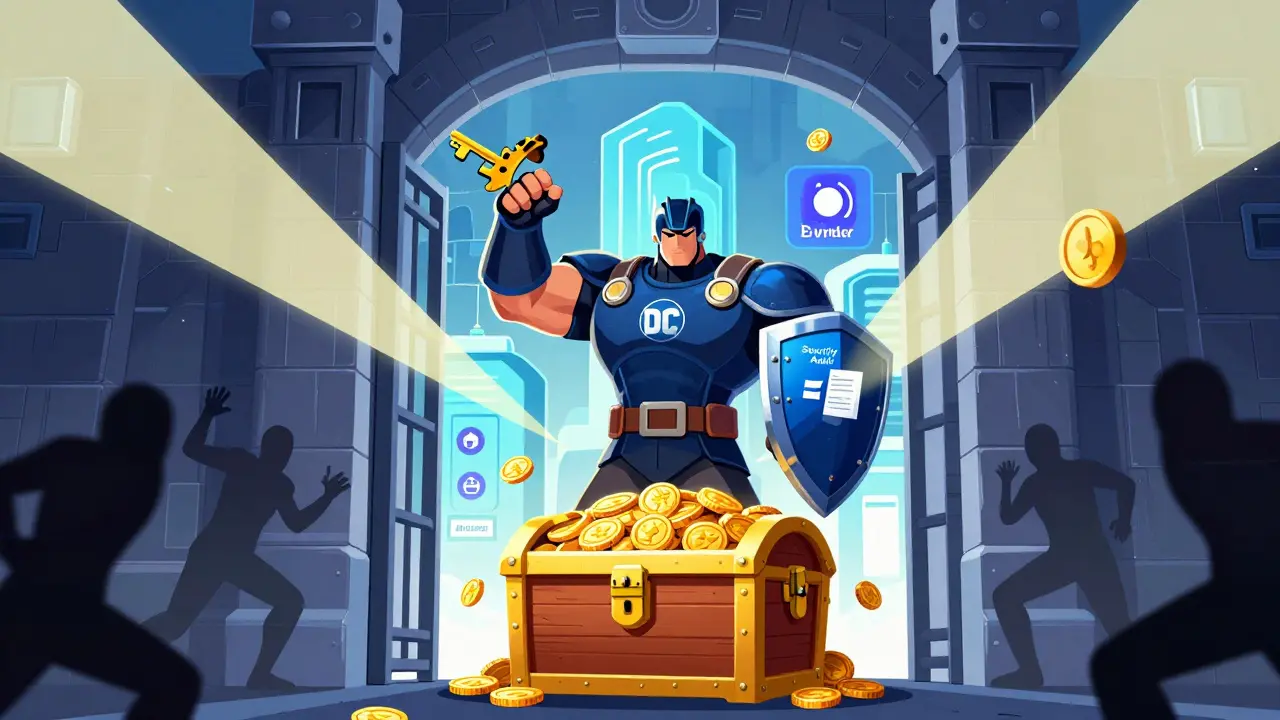
If you decide to explore other airdrops, your security setup is non-negotiable. Treat your main wallet like your bank account. Do not connect it to random websites.
Here is how professionals manage airdrop participation safely:
- Use a Burner Wallet: Create a separate MetaMask or Phantom wallet specifically for interacting with new protocols. Keep only the amount of ETH or SOL needed for gas fees in this wallet. Never store significant long-term holdings here.
- Revoke Permissions: After interacting with a dApp, use tools like Revoke.cash to remove any approvals you granted. Malicious contracts can drain approved tokens later if you don’t revoke access.
- Verify URLs: Bookmark official project sites. Phishing attacks often use domains that look similar but have slight misspellings (e.g., "uniswao.com" instead of "uniswap.org").
- Ignore DMs: Support teams will never message you first on Telegram or Discord. If someone claims to help you claim an airdrop via direct message, block them immediately.
Conclusion: Trust Data, Not Hype
The "Recharge Incentive Drop" by "Unknown details" is almost certainly a scam or a dead end. In the fast-moving world of crypto, information is value. If a project refuses to share its identity, it has nothing valuable to offer. Don’t let FOMO (Fear Of Missing Out) drive your decisions. The best airdrops are those built on trust, transparency, and technological innovation-not mystery.
Focus your energy on established ecosystems like Ethereum Layer 2s, Solana DeFi, or emerging chains with visible development activity. Check platforms like Airdrop.io or DefiLlama for tracked opportunities. Stay curious, but stay skeptical. Your portfolio will thank you.
Is the Recharge Incentive Drop a legitimate airdrop?
No. As of 2026, there is no credible evidence of a legitimate project by this name. The lack of identifiable team members, official documentation, and security audits strongly suggests it is a scam or a fake promotion designed to steal wallet data.
What should I do if I already connected my wallet to the Recharge Incentive Drop site?
Immediately disconnect your wallet from the site. Use a tool like Revoke.cash to revoke any token approvals you granted. Move any remaining funds from that wallet to a new, secure wallet. Monitor your transaction history for any unauthorized transfers.
How can I tell if an airdrop is real?
Look for transparency. Real airdrops have verified social media accounts, a public team, security audits, and clear rules for eligibility. If a project relies on secrecy, anonymous teams, or asks for upfront payments, it is likely a scam.
Are there any safe airdrops available in 2026?
Yes, but they require research. Focus on established Layer 2 networks, DeFi protocols with active development, and projects listed on reputable trackers like DefiLlama. Always participate using a burner wallet to minimize risk.
What is a burner wallet and why do I need one?
A burner wallet is a secondary crypto wallet used exclusively for risky activities like testing new apps or claiming unverified airdrops. It contains only enough funds for gas fees, protecting your main holdings if the wallet is compromised.