
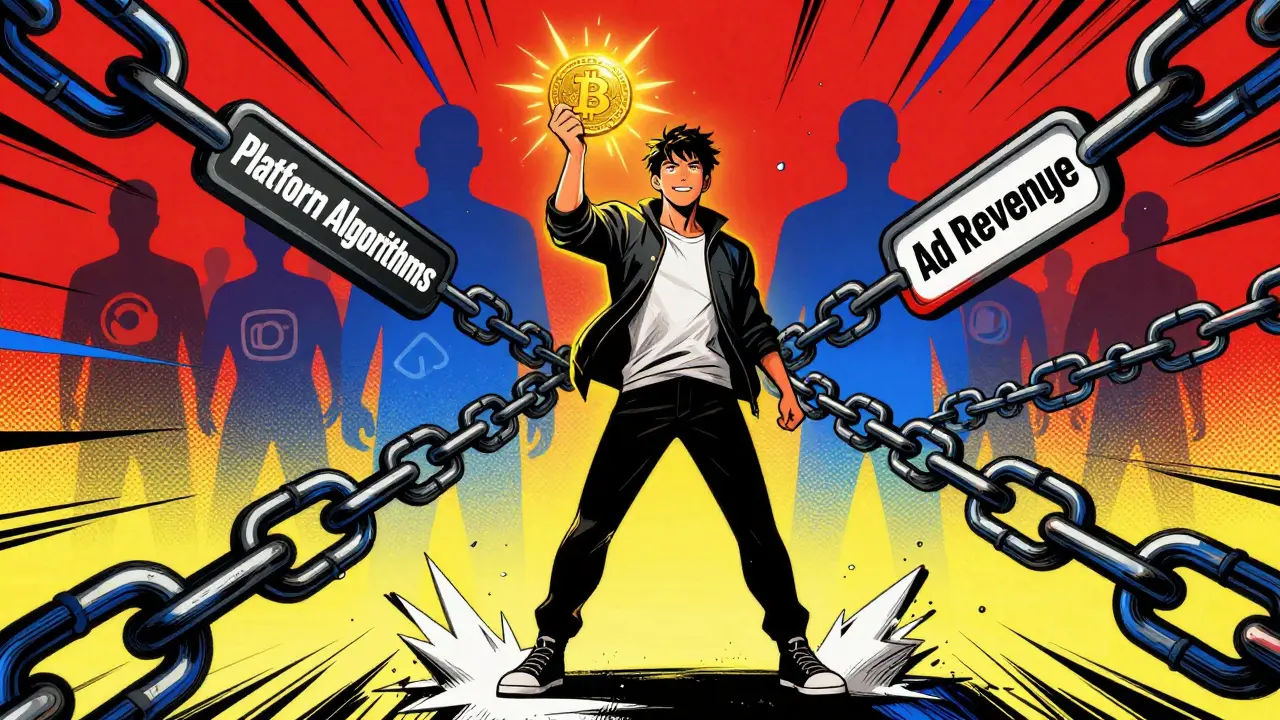
The old way of making money online was simple but flawed. You posted content on a platform, the algorithm decided who saw it, and you got paid pennies per view if you were lucky enough to qualify for an ad-revenue share program. Now, we have Creator Token Models, which are economic frameworks that allow digital creators to issue their own cryptocurrency assets to monetize their work directly, bypassing traditional intermediaries. These models shift power from platforms like YouTube or Instagram back to the individuals creating the value. It is not just about selling merchandise with a barcode. It is about building a financial ecosystem around your personal brand. Whether you are a musician, a video essayist, or a fitness coach, these models let you reward your super-fans while keeping control over your community. But how do they actually work? And more importantly, which model fits your specific needs without turning your audience into a speculative trading floor?
What Are Creator Token Models?
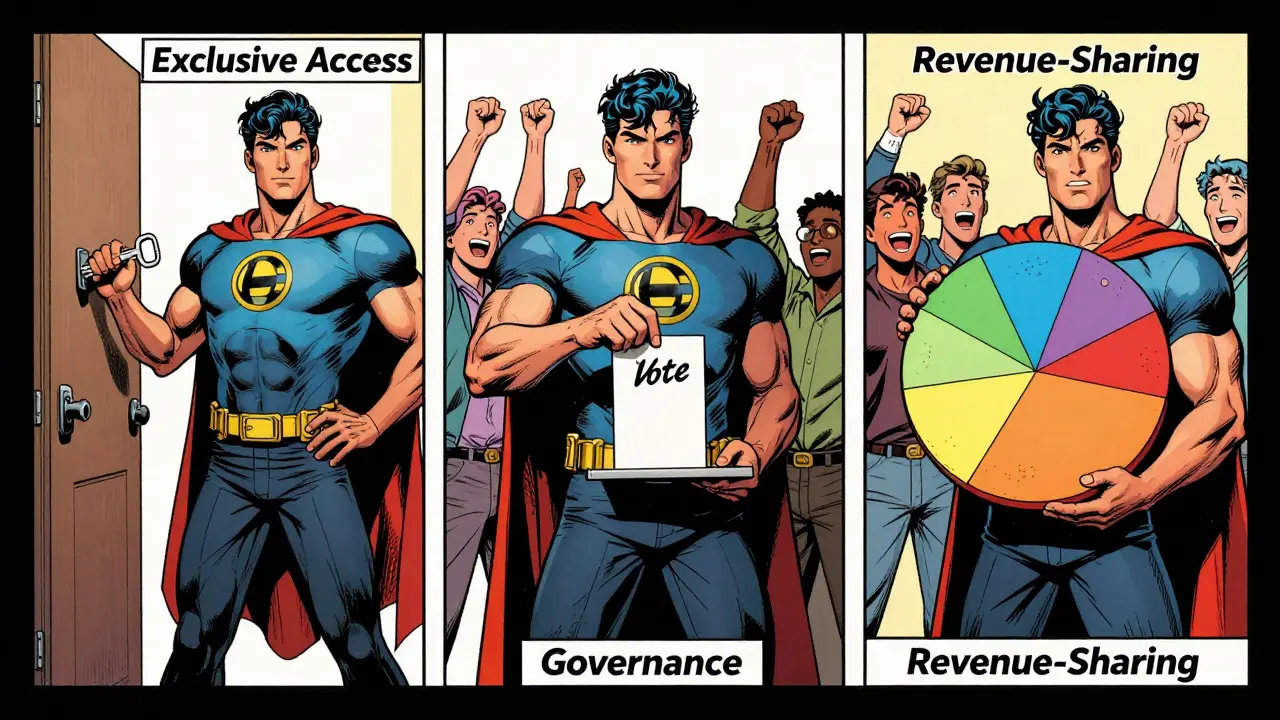
To understand these models, you first need to strip away the hype. A creator token is simply a digital asset issued by an individual or small team. Unlike Bitcoin, which is decentralized and has no central owner, a creator token is tied to a specific person or project. Its value is derived from your ability to create content, engage with fans, and deliver exclusive experiences. There are three main ways these tokens function in the real world:
- Utility Tokens: These act as keys. Holding them unlocks private Discord channels, early access to videos, or voting rights on what song gets released next. They are not meant to be traded for profit; they are meant to be used.
- Fan Tokens (Governance): Popularized by sports teams and celebrities on platforms like Socios.com, these tokens give holders a say in minor decisions, like choosing the entrance music for a stadium or picking the cover art for an album. The excitement comes from participation, not price appreciation.
- Revenue-Sharing Tokens: This is the most ambitious model. Here, the token represents a fractional ownership stake in future earnings. If you release a new book and make $10,000, token holders might automatically receive a percentage of that revenue based on how many tokens they hold.
The Three Main Architectural Approaches
Not all creator token systems are built the same. The technology stack matters because it dictates security, cost, and user experience. Let’s look at the three dominant architectures used in 2026.
| Model Type | Technical Basis | Best For | Risk Level |
|---|---|---|---|
| ERC-20 Standard | Ethereum Blockchain | High-value projects, serious investors | High (Gas fees, complexity) |
| Solana SPL Tokens | Solana Blockchain | High-volume transactions, gaming, live events | Medium (Network congestion risks) |
| Closed-Ledger Systems | Private Database (Web2-style) | Mainstream celebrities, low-tech audiences | Low (Centralized control) |
ERC-20 Tokens are the gold standard for transparency. Built on Ethereum, they benefit from massive security audits and liquidity. However, transaction fees (gas) can eat into profits for small creators. If you are selling a $5 digital download, paying $2 in gas fees doesn’t make sense. That is why many creators move to Layer-2 solutions like Arbitrum or Optimism, which keep the security of Ethereum but slash fees to fractions of a cent. Solana SPL Tokens offer speed. Solana processes thousands of transactions per second with near-zero fees. This makes it ideal for micro-transactions, such as tipping during a live stream or buying limited-edition digital badges. The trade-off is that Solana has had historical stability issues, though it has improved significantly since 2024. Closed-Ledger Systems are often marketed as "tokens" but are technically just points in a database. Platforms like Chaturbate or certain influencer subscription services use this model. Users buy credits, spend them on tips, and cannot withdraw them as crypto. This avoids regulatory scrutiny but also removes the financial upside for the holder. It is essentially a prepaid gift card system.
Why Creators Are Switching from Ad Revenue
The traditional creator economy relies on attention arbitrage. You capture eyeballs, sell them to advertisers, and keep a cut. The problem? Algorithms change. In 2023, TikTok adjusted its recommendation engine, causing millions of creators to lose 50% of their income overnight. In 2025, YouTube tightened its monetization thresholds, pushing smaller creators out entirely. Creator token models solve this by creating direct economic alignment. When a fan buys your token, they are betting on you, not the platform. If you succeed, they benefit. If you fail, they lose value. This creates a loyal base that is less likely to churn when the next big app launches. Consider the case of a mid-tier musician. Instead of relying solely on Spotify streams (which pay $0.003 per play), she issues 10,000 utility tokens. Each token costs $10. She raises $100,000 upfront to fund her album. In return, token holders get:
- Access to a private listening party before public release.
- Voting rights on the single that drops first.
- A 5% discount on concert tickets.
Regulatory Landmines: What You Need to Know
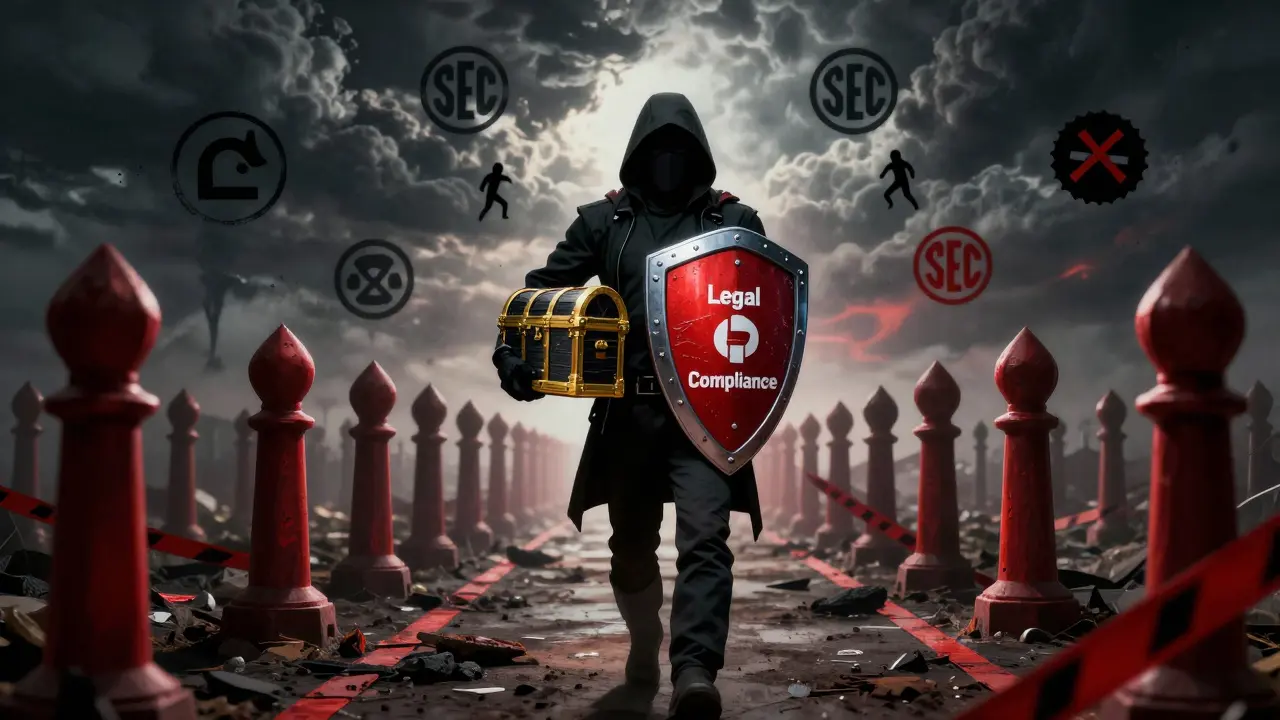
This is the part most guides skip, but it is critical. Just because you can launch a token doesn’t mean you should without legal advice. The primary risk is securities law. In the United States, the Securities and Exchange Commission (SEC) uses the Howey Test to determine if a token is a security. If buyers expect profits primarily from the efforts of others (i.e., your effort as the creator), it is likely a security. Selling securities requires registration, which costs hundreds of thousands of dollars. To avoid this, most successful creator token models focus on utility, not investment. Your terms of service must clearly state that the token is for access only and does not guarantee returns. Platforms like FanCode and Socios.com operate under strict compliance frameworks, often restricting sales to users outside the US or Canada to avoid these regulations. If you are in Europe, the Markets in Crypto-Assets Regulation (MiCA), fully implemented in 2024, provides clearer guidelines but still requires transparency regarding the issuer’s identity and the token’s purpose. Always consult a lawyer specializing in digital assets before launching. The last thing you want is a cease-and-desist letter after your token goes viral.
How to Launch Your First Creator Token
If you decide to proceed, here is a practical roadmap. Do not try to build a custom blockchain. Use existing infrastructure.
- Define the Utility: What can the token do? Be specific. "Support me" is not enough. "Unlock my weekly newsletter" is better. "Vote on my next travel destination" is best.
- Choose the Platform: For beginners, use a no-code platform like Rarible or Zora. They handle the smart contract deployment for you. For advanced users, consider deploying a custom ERC-20 contract on Polygon or Base for low fees.
- Set the Supply: Scarcity drives value, but too little supply creates volatility. A common rule of thumb is to issue enough tokens to cover your immediate funding goals plus a buffer for community rewards. Avoid minting infinite tokens later, as this dilutes early supporters.
- Launch a Presale: Offer a discount to early adopters. This incentivizes your core fans to buy in before the general public. Use a fair-launch mechanism to prevent bots from sniping your supply.
- List on a DEX: Once launched, list your token on a Decentralized Exchange (DEX) like Uniswap or Raydium. Provide initial liquidity so people can swap ETH or SOL for your token. Keep a portion of the proceeds in stablecoins to manage market swings.
Pitfalls to Avoid
I have seen many creator tokens fail within months. Here is why:
- Over-Promising: Don’t promise lifetime revenue sharing unless you have a legal trust structure in place. Vague promises lead to lawsuits.
- Ignoring Community Sentiment: If your token price crashes, your community will blame you. Communicate transparently. Explain that token price is separate from your content quality.
- Neglecting Security: Smart contracts can be hacked. Always audit your code or use reputable, audited templates. Never share your private keys.
- Focusing Only on Price: If your marketing is all about "mooning" and price pumps, you attract speculators, not fans. Speculators leave when the trend dies. Fans stay for the connection.
The Future of Creator Economies
We are moving toward a hybrid model. In 2026, we see creators using tokens for governance while keeping fiat payments for basic subscriptions. Tools like Farcaster and Lens Protocol are enabling social graphs owned by users, not corporations. This means your followers-and their tokens-move with you if you switch platforms. As AI-generated content floods the internet, human authenticity becomes premium. Creator tokens serve as a proof-of-humanity signal. When someone holds your token, they are verifying that they support a real person, not a bot farm. This distinction will only grow in value. The technology is mature enough now. The barriers are psychological and regulatory. If you approach it as a tool for community building rather than a get-rich-quick scheme, creator token models offer a path to true financial independence in the digital age.
Are creator tokens legal in the US?
It depends on how they are structured. If a token is marketed as an investment with expected profits, it may be classified as a security by the SEC, requiring registration. To stay compliant, most creators structure tokens as utility-based memberships with clear disclaimers that they are not investments. Many platforms restrict sales to users outside the US to avoid regulatory issues.
What is the difference between a creator token and an NFT?
NFTs are unique and non-fungible, meaning each one is different (like a collectible card). Creator tokens are usually fungible, meaning each token is identical to another (like a dollar bill). Fungible tokens are easier to trade and use for micro-payments, while NFTs are better for one-of-a-kind digital art or memorabilia.
Which blockchain is best for creator tokens?
For high-value, secure transactions, Ethereum (or its Layer-2 solutions like Arbitrum and Base) is preferred due to its robust security. For high-volume, low-cost transactions like tipping or frequent trades, Solana or Polygon are better choices because of their low fees and fast processing speeds.
How do I protect my token from being hacked?
Use audited smart contract templates from reputable platforms. Never share your private keys or seed phrases. Enable two-factor authentication on all associated accounts. Consider using a hardware wallet to store the majority of your tokens and funds offline.
Can I revoke tokens from users?
In most decentralized models, once tokens are transferred to a wallet, you cannot forcibly take them back. However, you can blacklist specific addresses from accessing certain utilities or staking rewards through smart contract logic. This should be clearly stated in your terms of service.